
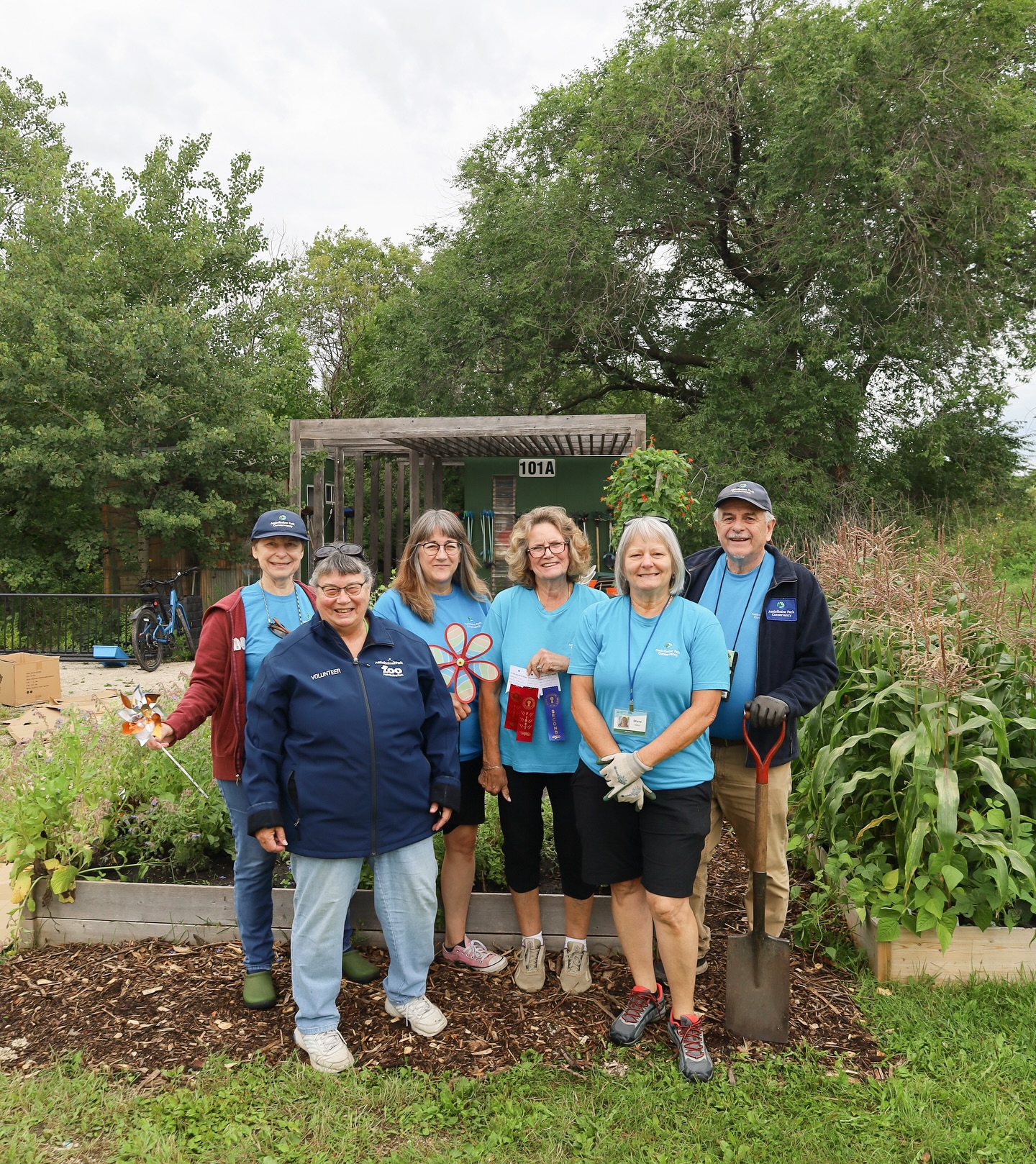
- Celebrating the achievements of the Volunteer Enrichment Garden team.
- The significance of growing produce for animal welfare at the zoo.
- A closer look at Laverne Dahlin’s award-winning entries.
- The importance of biodiversity in zoo environments.
- The role of community involvement in conservation efforts.
The recent accolades awarded to our volunteer team underscore their hard work and dedication to promoting animal welfare through sustainable practices. Our Volunteer Enrichment Garden is a shining example of how community engagement can make a significant impact in a zoo setting. The group of enthusiastic individuals has nurtured this garden on-site since 2023, cultivating a variety of plants that not only beautify the zoo grounds but also serve practical purposes.
The primary aim of the Volunteer Enrichment Garden is to produce edible crops that can enrich the diets of the animals residing at the zoo. Herbs, beans, peas, corn, and squash flourish in this garden, reinforcing the zoo’s commitment to providing nutritious and engaging food options. While most zoo diets mainly consist of commercial feed, incorporating fresh produce offers animals additional nutrition and stimulation. This aspect of animal care improves not only animal health but also encourages foraging behaviors observed in wild settings.
Earlier this month, the enthusiasm for horticulture reached new heights when Laverne Dahlin, one of our skilled Master Gardeners, entered several specimens into the St. Vital Agricultural Fair. Dahlin’s entries included purple beans, peas, and vibrant marigolds. The result? An impressive tally of two first-place awards and one second-place ribbon. This triumph is a testament to the hard work and dedication that defines the team and their efforts.
Examining the winning entries reveals a rich tapestry of botanical diversity. Purple beans are not just aesthetically striking; they are also nutritious, packed with vitamins and minerals essential for a balanced diet. Peas, on the other hand, are a versatile plant that adds both sweetness and crunch to various dishes. The marigolds, often overlooked as simple ornamental flowers, play a crucial role in pest control within the garden ecosystem. Their vibrant blossoms attract beneficial insects that help manage pest populations naturally.
Biodiversity is a critical component of any ecological system, and the Volunteer Enrichment Garden highlights this importance. A diverse range of plants supports various species of insects, birds, and animals, creating a balanced ecosystem. In a zoo setting, this biodiversity allows for a more resilient environment that can withstand changes and challenges, such as disease outbreaks or climate fluctuations.
The various plants cultivated in the garden serve multiple purposes. For instance, corn provides cover and a habitat for local wildlife while also yielding food for animals in our care. Borage contributes by attracting pollinators and can also be used as a nutritional supplement for some animal species. Each plant contributes to a larger ecological framework that enhances the zoo experience for visitors and animals alike.
Community involvement is paramount in fostering a successful conservation program. The Volunteer Enrichment Garden exemplifies how local residents can contribute positively to wildlife education and environmental stewardship. The efforts of our volunteers create a vibrant space that not only beautifies the zoo but also educates the public about sustainable gardening practices and their benefits to wildlife. The visibility of this garden allows for educational opportunities that are vital in raising awareness.
Moreover, the hands-on experience that volunteers gain through gardening cultivates deeper engagement with environmental issues. This engagement can motivate individuals to become advocates for conservation in broader contexts, leading to a multiplier effect in community outreach. The work performed in the garden can serve as a model for other organizations looking to implement similar projects, amplifying the positive impact on local ecosystems.
As we celebrate the well-earned recognition of the Volunteer Enrichment Garden team, it is crucial to reflect on the broader implications their work has within the field of zoology and conservation. Their commitment to providing nutritious food for animals aligns with modern animal husbandry practices that emphasize wellness and natural behaviors. Recognizing individual contributions, like those by Laverne Dahlin, acknowledges the value of skilled gardening and the role it plays in animal care.
In addition to improving animal welfare, the garden serves as a living laboratory. It offers invaluable opportunities for research and education about native plant species, herbaceous and woody plants, and crop planting techniques that are sustainable and organic. The volunteer team can experiment with various growing methods, contributing to ongoing discussions about how best to manage gardens in more extensive wildlife settings. This serves as a foundation for understanding how agricultural and conservation practices can intersect.
Local agricultural fairs, like the St. Vital Agricultural Fair, create platforms for showcasing these efforts. They allow participants to share knowledge and learn from others within this unique community. These events also inspire broader conversations about food security, heritage gardening, and wildlife conservation, thereby fostering connections that can lead to collaborative projects aimed at improving local environments.
In supporting the Volunteer Enrichment Garden, the zoo not only ensures the health of its inhabitants but also demonstrates leadership in conservation efforts. By integrating community gardening into wildlife care, the zoo underscores its commitment to educating the public about the intricacies of animal diets and plant care. These endeavors pave the way for a more responsible and informed public regarding environmental stewardship.
The success of our Volunteer Enrichment Garden adds to a growing body of evidence that emphasizes the role of community and sustainability in modern conservation efforts. Each plant grown serves as a testament to the power of collective action and informed practices in wildlife care. The remarkable achievements in this garden reflect not just the skill of individual volunteers but also the synergy created through teamwork and shared goals.
As we look forward, the journey of the Volunteer Enrichment Garden continues. Future expansions may include more native plants, educational signage for visitors, and partnerships with local conservation organizations. Each of these initiatives can further enhance the zoo’s reputation as a leader in wildlife education and conservation.
The work done in the Volunteer Enrichment Garden contributes to a larger narrative about the importance of integrating nature into urban lifestyles. By fostering green spaces and encouraging biodiversity, we can invite people to reconnect with nature, ultimately leading to a more equitable and sustainable world. The contributions made to this garden signify that thoughtful stewardship and community engagement can yield remarkable results, not just for animals but for all living beings.
The accolades received by the volunteer team, marked by the ribbons earned at the agricultural fair, represent milestones in what promises to be an ongoing journey focused on conservation, education, and community involvement. We extend our congratulations to Laverne Dahlin and every member of this inspiring team. Your achievements remind us that even small efforts can have significant impacts, nurturing both wildlife and community alike.
*****
Source Description
Everyone please join us in congratulating our volunteer team for their award-winning beans, peas, and marigolds!
Since 2023, a group of passionate and talented volunteers have maintained the “Volunteer Enrichment Garden” here on-site at the Zoo.
This group grows produce like herbs, corn, beans, squash, and more that is harvested and offered to the animals as food and enrichment.
Earlier this month, one of our Master Gardeners, Laverne Dahlin, entered their purple beans, peas, and marigolds into the St Vital Agricultural Fair and walked away with two first place and one second place ribbons.
Swipe through the pics and videos to see some of these gorgeous plants – marigolds, pea shrubs, borage, and corn – being enjoyed by animals around the Zoo!
