
- Community-based conservation efforts promote biodiversity and involve local populations.
- Zoos and wildlife reserves play a crucial role in wildlife conservation and education.
- Collaborative strategies are essential for effective habitat protection.
- The integration of technology enhances conservation efforts and monitoring.
- Educating the public on sustainable practices supports long-term wildlife preservation.
Community-based conservation strategies acknowledge that protecting wildlife and natural habitats is not solely the responsibility of scientists and conservationists. Instead, these efforts involve local populations, recognizing that residents are often deeply connected to their environment. By engaging with communities, conservation initiatives gain cultural insights and practical knowledge that can lead to more sustainable outcomes.
One powerful strategy is involving local communities in decision-making processes. By giving residents a voice and stake in conservation efforts, they become partners rather than observers. This approach can foster a sense of ownership, leading to more effective and long-lasting conservation achievements. Local knowledge often provides invaluable insights into species behavior and ecosystem nuances, enhancing scientific understanding.
Moreover, conservation projects frequently create economic opportunities for local populations. For many communities, wildlife tours and eco-friendly businesses provide significant income sources. By aligning economic incentives with conservation objectives, wildlife protection becomes a shared goal. This partnership model is crucial for biodiversity preservation, as it marries ecological interests with human welfare.
Zoos and wildlife reserves are pivotal in wildlife conservation and education. These institutions act as sanctuaries for endangered species, offering a controlled environment where animals are protected from threats such as poaching and habitat loss. By participating in breeding programs, zoos contribute to the genetic diversity of species, ensuring their survival for future generations.
Educational outreach is another critical function of zoos. By educating the public about wildlife and the challenges animals face in the wild, zoos foster a connection between humans and nature. This connection can inspire visitors to support conservation efforts and adopt sustainable practices in their lives. Interactive exhibits, educational programs, and community events are tools zoos use to enhance public understanding and commitment to conservation.
Collaborative strategies among governments, NGOs, and community organizations are vital for protecting habitats. A multi-faceted approach considers various perspectives and expertise, leading to innovative solutions for complex conservation problems. For instance, cross-border conservation initiatives allow countries to pool resources and knowledge for protecting migratory species and large habitats that span national boundaries.
Protecting vast ecosystems often requires coordinated efforts that respect political and cultural differences. Such collaborations build comprehensive strategies that address issues like illegal wildlife trade, deforestation, and climate change. The collective power of these partnerships results in robust plans that have a global impact on wildlife preservation.
The integration of technology in conservation efforts brings new possibilities for monitoring and protecting wildlife. Innovations such as GPS tracking, camera traps, and drones allow conservationists to gather real-time data on animal movements and habitat use. This information is vital for creating effective management plans and responding swiftly to threats like poaching or habitat destruction.
Remote sensing technology enables the monitoring of large landscapes, helping to detect changes in forest cover or habitat fragmentation. By analyzing satellite images, conservationists can identify areas that require urgent attention, focusing resources where they are most needed. These technological advancements enhance the precision and efficacy of conservation efforts.
Educating the public on sustainable practices is essential for the long-term preservation of wildlife and natural habitats. Awareness programs encourage individuals to adopt behaviors that support conservation goals, such as reducing single-use plastics, participating in citizen science projects, and supporting wildlife-friendly products.
Public education initiatives often include workshops, school programs, and community events that highlight the importance of biodiversity. By fostering a conservation ethic in society, these efforts cultivate a generation of environmentally conscious individuals motivated to protect the planet’s natural resources.
Through community engagement, the strategic role of zoos, collaborative partnerships, technological advancements, and public education, conservation efforts are fostering a world where people and wildlife coexist sustainably.
*****
Source Description
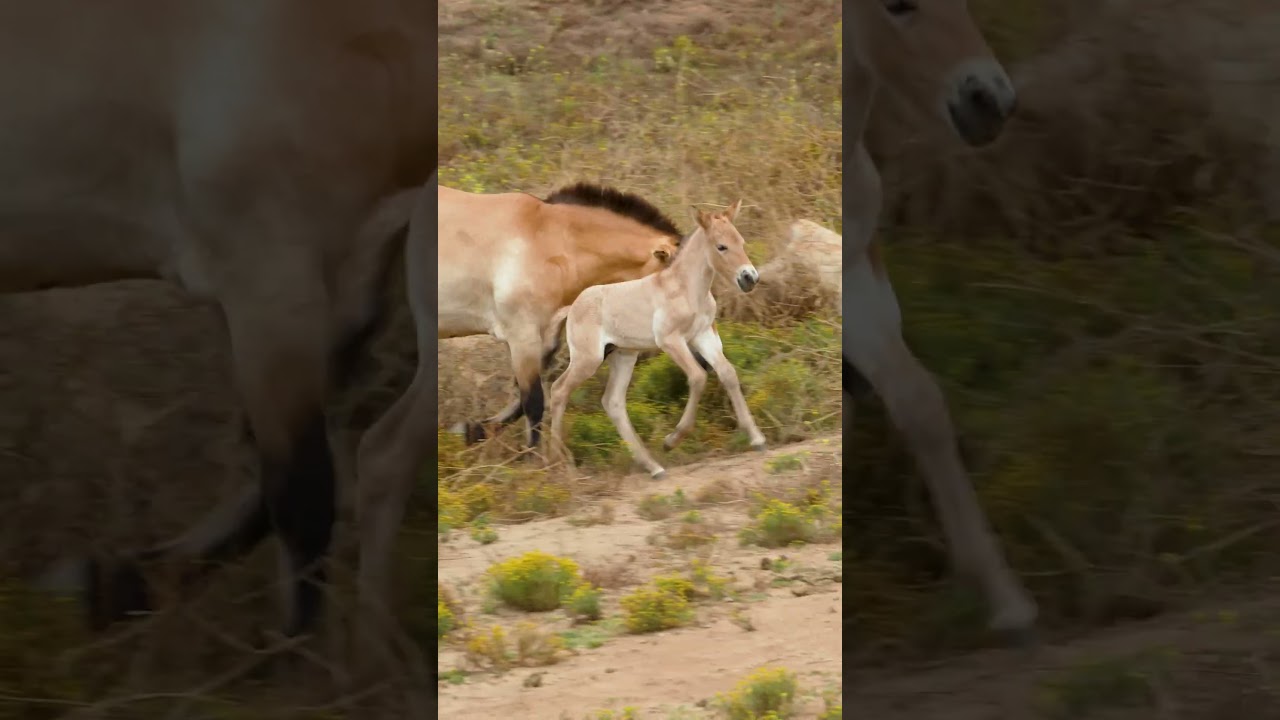
Przewalski’s horses were once extinct in the wild, but decades of collaboration with international partners has helped protect them. Part of this effort includes the Frozen Zoo, which safeguards the genetic legacy of over 400 Przewalski’s horses and has enabled scientists to create two magnificent clones now thriving at the Safari Park.
These remarkable horses are helping restore genetic diversity to their species, serving as living symbols of possibility and hope for endangered species.Przewalski’s horses were once extinct in the wild, but decades of collaboration with international partners has helped protect them. Part of this effort includes the Frozen Zoo, which safeguards the genetic legacy of over 400 Przewalski’s horses and has enabled scientists to create two magnificent clones now thriving at the Safari Park.
These remarkable horses are helping restore genetic diversity to their species, serving as living symbols of possibility and hope for endangered species.Facebook – https://www.facebook.com/SanDiegoZoo/
Instagram – https://www.instagram.com/sandiegozoo/
Twitter – https://twitter.com/sandiegozoo
Giphy – https://giphy.com/sandiegozoo
TikTok – https://www.tiktok.com/@sandiegozoo
Twitch – https://www.twitch.tv/sandiegozoo
