
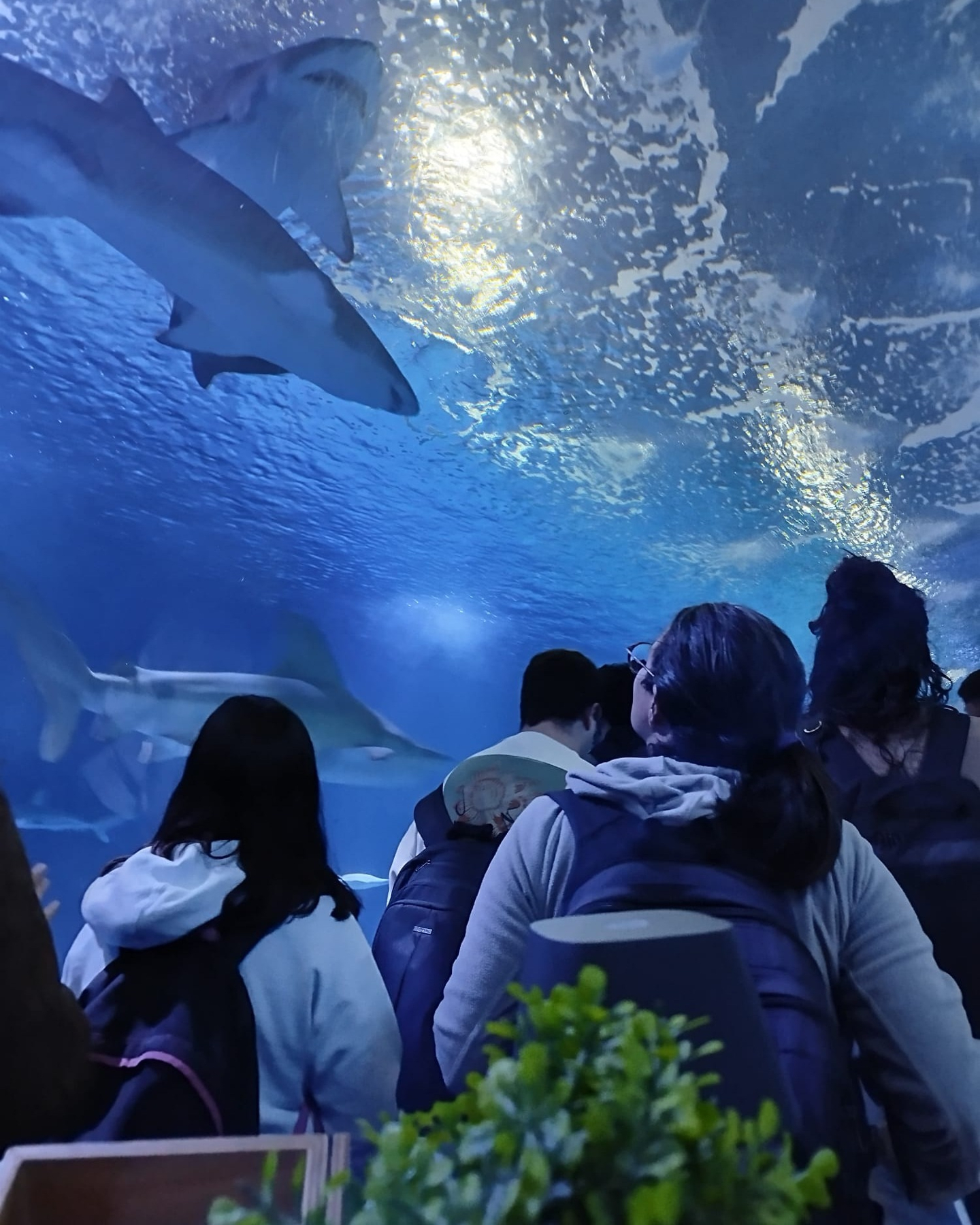
- The ecological importance of sharks in marine ecosystems
- Conservation strategies employed by Oceanogràfic and its partners
- The role of education in fostering awareness and action
- Insights into shark biology and behavior
- Future courses and initiatives for student engagement
Sharks are significant to marine ecosystems and play critical roles. They maintain the balance within ocean food webs by regulating the populations of various species. As apex predators, they often target the weak and sick, which helps to promote the health of prey populations. This regulation also allows for the growth of both flora and fauna, ensuring that ecosystems remain vibrant and resilient.
Overfishing and habitat destruction endanger sharks and disrupt these natural processes. The loss of shark populations can lead to imbalances, such as overpopulation of certain prey species, leading to significant ecological changes. For instance, the decline of sharks in coral reef systems often results in unhealthy reefs, as herbivore populations explode without their natural regulators. This dynamic illustrates the essential role sharks play in keeping marine ecosystems balanced.
Oceanogràfic, in collaboration with various partners, has initiated multiple conservation strategies aimed at protecting sharks. One of the organization’s key approaches involves research and data collection. Understanding shark population dynamics, breeding patterns, and habitat preferences is essential for crafting effective conservation plans. Through scientific studies, Oceanogràfic contributes to the global understanding of sharks and their needs, facilitating the development of informed conservation policies.
In addition, Oceanogràfic supports field research initiatives that involve tracking the movements and behaviors of sharks in their natural habitats. By using technological advancements like satellite tagging, researchers gather critical data that helps to delineate shark migratory routes and identify critical breeding and feeding grounds. This information is not merely valuable for immediate conservation efforts but also serves as a cornerstone for creating marine protected areas. Such areas are vital for providing safe havens for sharks and promoting biodiversity in marine ecosystems.
Education is a central component of the conservation strategy advocated by Oceanogràfic. By engaging students and the general public through theoretical sessions and hands-on activities, the organization fosters a greater appreciation of the vital functions sharks perform. Educational programs are designed to ignite curiosity and promote critical thinking about marine life. Participants learn about shark biology, lifecycle, and environmental impact. They also understand the consequences of shark population declines and the importance of conservation efforts.
Practical activities, such as field trips and interactive workshops, enhance learning experiences. These initiatives empower participants, making them advocates for marine conservation. By connecting academic knowledge with real-world applications, students can convey the importance of sharks to their communities. The enthusiasm and awareness cultivated through these sessions inspire action, leading to grassroots conservation efforts.
Shark biology and behavior are fundamental topics explored in educational programs. For example, the anatomy of sharks, such as their streamlined bodies and unique adaptations, highlights their evolutionary success. Unlike most fishes, sharks possess a cartilaginous skeleton, which contributes to their agility and buoyancy. Their keen sense of smell is another fascinating aspect; they can detect blood in the water from miles away. Understanding these biological traits underlines their efficiency as predators.
Knowing the different types of sharks and their behaviors is equally essential. Species like the great white, hammerhead, and tiger shark exhibit distinct behaviors that contribute to their survival. Some sharks prefer shallow waters, while others venture into deep oceans. Each type has specific environmental needs, which inform conservation strategies. Education about these behaviors can also promote safe interactions between humans and sharks.
Moving forward, Oceanogràfic plans to expand its educational offerings. New courses will be launched, focusing on sustainable marine practices and shark conservation. These initiatives illustrate a commitment to fostering a new generation of marine stewards. Participants will engage deeper with topics such as marine policy, ecosystem management, and innovative conservation technologies.
The courses will also offer insights into global shark conservation challenges and solutions. This education will equip students with the knowledge they need to advocate for sharks and engage in effective conservation activities. By training passionate individuals, Oceanogràfic aims to amplify its conservation impact and inspire action on both local and global scales.
Thus, educational initiatives, alongside active conservation efforts, form a powerful approach to addressing the challenges sharks face today. By understanding their ecological importance, supporting conservation initiatives, enhancing public knowledge, and investing in the next generation, Oceanogràfic and its partners are working towards a sustainable future for sharks and the oceans they inhabit.
*****
Source Description
🦈 ¡Continúa el
A través de sesiones teóricas y actividades prácticas guiadas por el equipo técnico, el alumnado esta descubriendo el papel esencial de los tiburones en los ecosistemas marinos y conociendo las acciones de conservación que impulsa el Oceanogràfic junto a sus aliados. 🌊
📚 Próximamente, nuevos cursos en el link de nuestra bio.
