
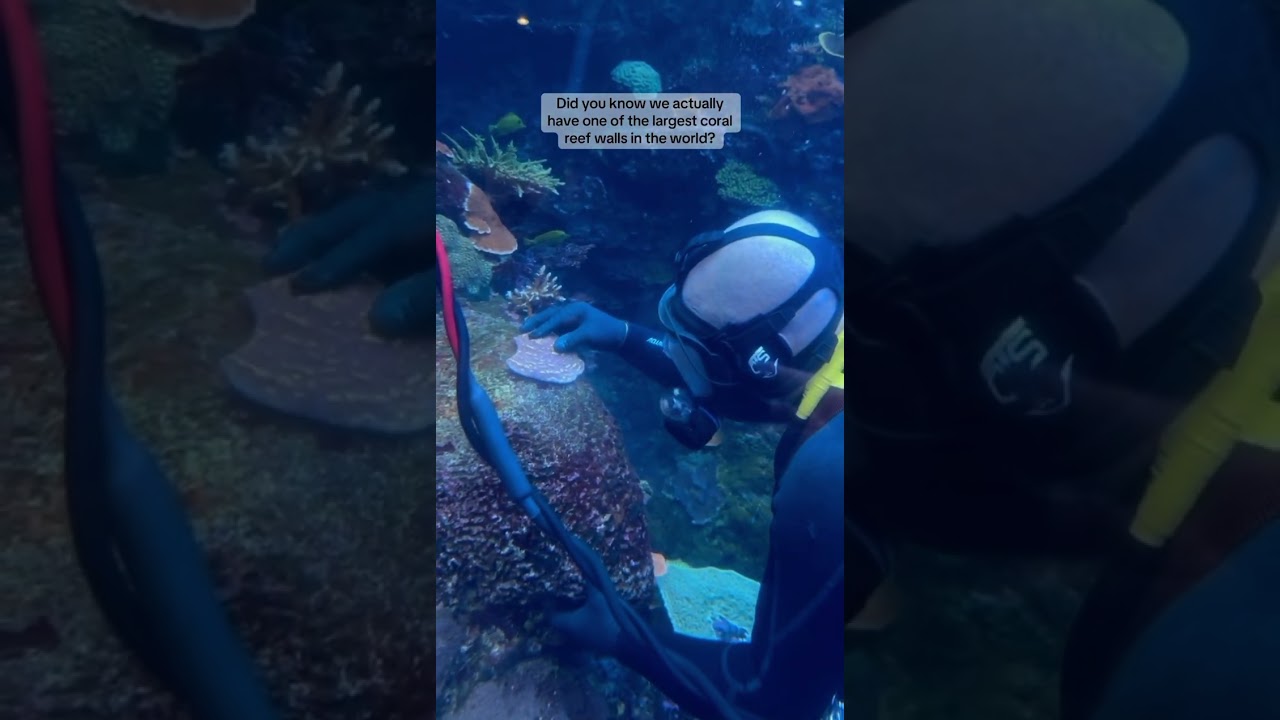
- The Integral Role of the Coral Care Team in Conservation
- Techniques and Strategies for Effective Coral Cultivation
- The Impact of Environmental Factors on Coral Health
- Technological Innovations in Coral Management
- Public Engagement and Education in Coral Conservation
The Integral Role of the Coral Care Team in Conservation
The Coral Care Team plays a pivotal role in marine conservation, focusing on preserving fragile coral ecosystems, vital to oceanic health. Corals provide habitat, food, and breeding grounds for diverse marine organisms, and their preservation is critical in maintaining biodiversity. The Coral Care Team’s primary responsibility is to mitigate threats posed by climate change, pollution, and human interference. This requires a comprehensive understanding of both marine biology and eco-management practices.
Members of the team are highly trained specialists who evaluate coral habitats, assess risks, and implement conservation strategies. They engage in activities such as rehabilitating damaged reefs, which involves transplanting corals to areas where they can flourish. Additionally, they conduct regular monitoring to assess the conditions of reefs and apply interventions as necessary. This diligent work not only sustains coral ecosystems but also ensures their resilience against impending environmental changes.
Techniques and Strategies for Effective Coral Cultivation
Coral cultivation involves a variety of sophisticated techniques aimed at promoting growth and ensuring sustainability. A commonly used method is coral gardening, wherein fragments of coral are grown in controlled environments before being transplanted into natural habitats. This technique helps in restoring degraded reef areas with minimal ecological disruption.
Another strategy is the use of microfragmentation, a process that involves cutting corals into small pieces, which accelerates their growth rates. This method has proven effective in rapidly expanding coral populations within a controlled timeframe. Furthermore, scientists employ ‘assisted evolution’, a practice that guides the natural selection process in a way that bolsters coral resilience to environmental stresses.
These cultivation strategies necessitate accuracy and control, as corals are sensitive to changes in their environment. Temperature, light, and water quality must be meticulously managed to support coral health, underscoring the need for specialized knowledge in marine husbandry.
The Impact of Environmental Factors on Coral Health
Coral health is profoundly influenced by various environmental stressors, with climate change posing the most significant threat. Rising ocean temperatures result in coral bleaching, a process where corals expel the algae living in their tissues, leading to a loss of color and vital nutrients. Prolonged bleaching can lead to coral death and a subsequent decline in marine biodiversity.
Ocean acidification, caused by increasing carbon dioxide levels, also adversely affects coral skeleton formation, weakening their overall structure. Additionally, pollutants, such as oil spills and plastic waste, introduce toxins that compromise coral and marine life health. Overfishing and destructive fishing practices further exacerbate the situation by disrupting ecological balances in coral habitats.
To combat these threats, the Coral Care Team utilizes an array of monitoring tools and techniques, including satellite imaging and dive inspections, to track changes in coral health and respond proactively to emerging issues.
Technological Innovations in Coral Management
Advancements in technology have revolutionized coral management practices, offering new hope for conservationists. Remote sensing technology and drones allow for efficient monitoring of large reef areas, providing valuable data that help in understanding and predicting coral responses to environmental changes.
Artificial intelligence (AI) and machine learning algorithms assist in analyzing complex datasets, facilitating the detection of patterns and trends that might elude human observation. These technologies also optimize restoration efforts by identifying ideal conditions for coral expansion, thus enhancing efficiency in conservation projects.
Biotechnological innovations, such as the development of heat-resistant coral strains, are also underway. These initiatives aim to create corals that can thrive despite rising global temperatures, offering a long-term solution to the challenges posed by climate-related stressors.
Public Engagement and Education in Coral Conservation
Public engagement and education are vital components of coral conservation efforts, as they create awareness and foster stewardship among global communities. The Coral Care Team collaborates with schools, organizations, and governmental agencies, conducting workshops and outreach programs to enlighten the public about the importance of coral ecosystems.
Educational initiatives often involve interactive components, such as virtual reality experiences and underwater exhibitions, which provide immersive insights into coral ecosystems. These activities aim to inspire the next generation to prioritize marine conservation and adopt sustainable practices.
Moreover, citizen science projects offer individuals the opportunity to contribute to coral monitoring and data collection. By involving the public directly in research efforts, these projects enhance data diversity and foster a sense of collective responsibility for ocean health.
In summary, the Coral Care Team’s work embodies a multifaceted approach to conservation, integrating scientific techniques, technological advancements, and community involvement to safeguard precious coral ecosystems. This comprehensive effort is crucial in ensuring the resilience and sustainability of one of the planet’s most vital marine resources.
*****
Source Description
We may be a little biased, but we have some of the best corals out there!🪸
