
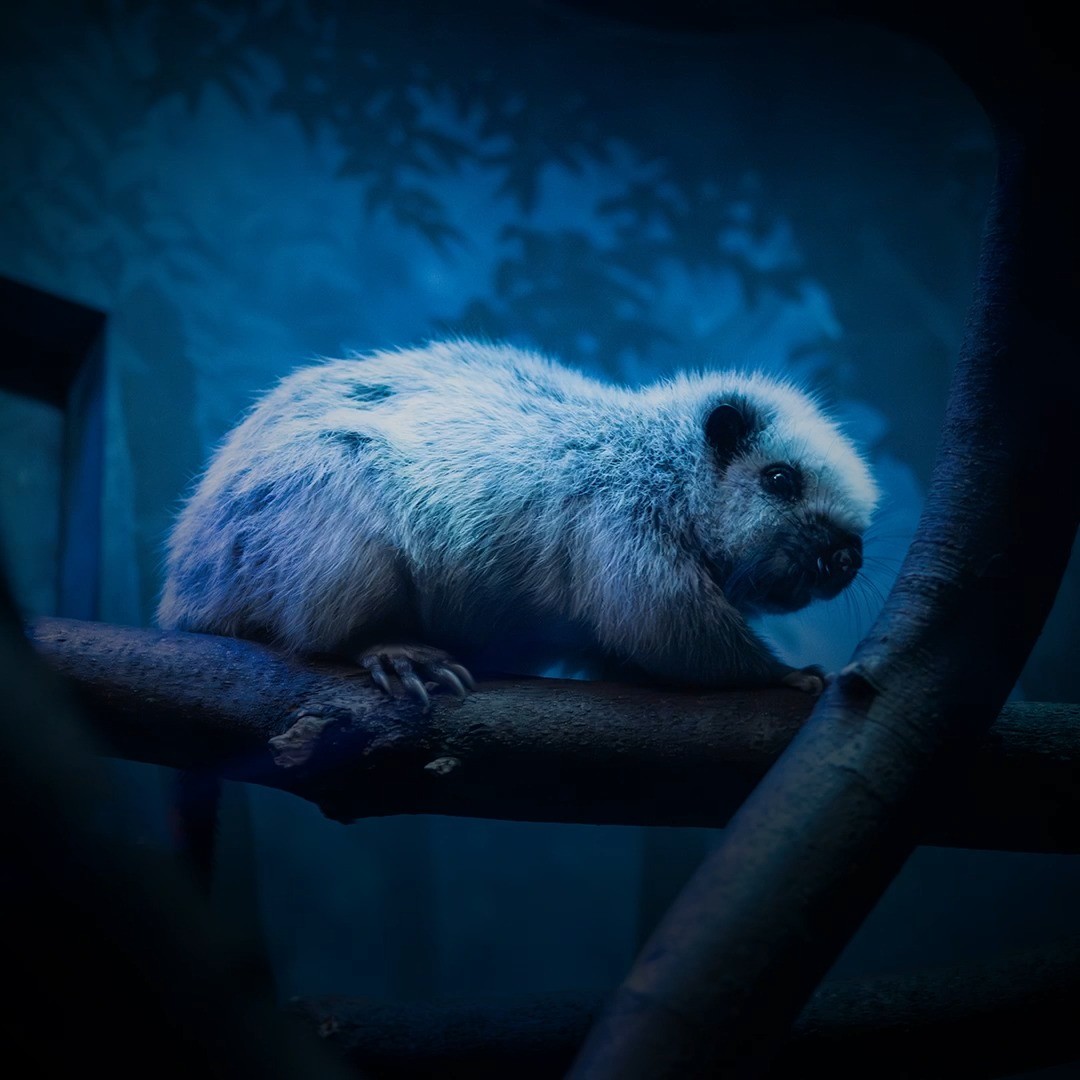
- The ecological role of the northern Luzon giant cloud rat in its habitat.
- Unique adaptations that allow cloud rats to thrive in low-light conditions.
- The importance of conservation efforts for the northern Luzon giant cloud rat.
- The challenges posed by habitat loss and climate change affecting cloud rats.
- How observing these animals contributes to broader wildlife conservation understanding.
The northern Luzon giant cloud rat (Crateromys schadenbergi) plays a significant role in the ecosystems of its native Philippines. This species is part of a diverse family of rodents, and it has adapted to live in the mountainous forest habitats of northern Luzon. One of the essential roles these animals fulfill in their environment is as seed dispersers. By consuming fruits and seeds and subsequently excreting them elsewhere, they help maintain the health and biodiversity of their forest ecosystems. This natural process promotes forest regeneration and contributes to soil health, which ultimately supports other species in the area.
Adaptations are critical to the survival of the northern Luzon giant cloud rat, particularly in its low-light habitat. Like other cloud rats, they are equipped with heightened auditory abilities, allowing them to detect high-frequency sounds that are inaudible to humans. This skill serves as a defense mechanism against potential predators and aids in foraging for food. Their large, sensitive ears enable them to perceive subtle environmental cues, enhancing their ability to navigate and thrive in the dark. Furthermore, their thick fur provides insulation and protection from the chilly, mist-laden environments typical of their mountainous habitats.
The significance of conservation efforts for the northern Luzon giant cloud rat cannot be overstated. This species is currently classified as endangered due to habitat loss, primarily driven by deforestation and human encroachment. With the destruction of their natural environment, cloud rats face increasingly limited resources for survival. Protection of their habitat is vital not only for the cloud rat’s survival but also for the myriad other species that share its ecosystem. Various organizations are working diligently to establish conservation programs aimed at protecting these unique habitats. They promote sustainable land-use practices and reforestation efforts in areas where these animals reside.
The challenges facing the northern Luzon giant cloud rat extend beyond habitat loss. Climate change poses an additional threat. As temperatures rise and rainfall patterns shift, the delicate balance of the forest ecosystems becomes jeopardized. These changes can result in altered food availability and increased competition among species, further diminishing the chances of survival for the cloud rat. Continuous research and monitoring are essential for understanding how climate change impacts these rodents and the habitats they depend upon.
Observing the northern Luzon giant cloud rat provides valuable insights into broader wildlife conservation efforts. These animals serve as indicators of the health of their ecosystems. By studying their behavior and population dynamics, conservationists can better understand the effects of environmental changes. Engaging the public through various platforms increases awareness about these fascinating creatures and the challenges they face. Learning opportunities, such as observing them in controlled environments or during educational programs, can inspire a sense of responsibility regarding conservation practices.
The northern Luzon giant cloud rat exemplifies the intricate connections within ecosystems. Its role as a seed disperser highlights the importance of every species within an ecosystem, reinforcing the notion that the loss of one can have cascading effects on others. Collaborative efforts to conserve their habitats must involve local communities, policymakers, and scientists. By fostering partnerships among these groups, more effective conservation strategies can be implemented.
In summary, the northern Luzon giant cloud rat is a remarkable species that exemplifies adaptation and resilience in the face of environmental challenges. Its unique characteristics, including enhanced auditory perception, allow it to navigate its ecosystem effectively. However, human activities and climate change threaten its existence. Through concerted conservation efforts and increased public awareness, there is potential to safeguard the future of this extraordinary animal and its habitat. Engaging with its story offers an opportunity to understand the larger conversation about wildlife conservation and preservation of biodiversity.
*****
Source Description
If you guessed the northern Luzon giant cloud rat in our last post, you are correct! Did you know that cloud rats, like other rodents, can detect high-frequency sounds that humans cannot hear? This helps them detect all manner of sounds that helps protect them from potential predators in the night.
Don’t miss your chance to observe these fascinating animals and learn more about the adaptations that help them thrive in darkness in the new World of Darkness opening July 12. See link in profile.
