
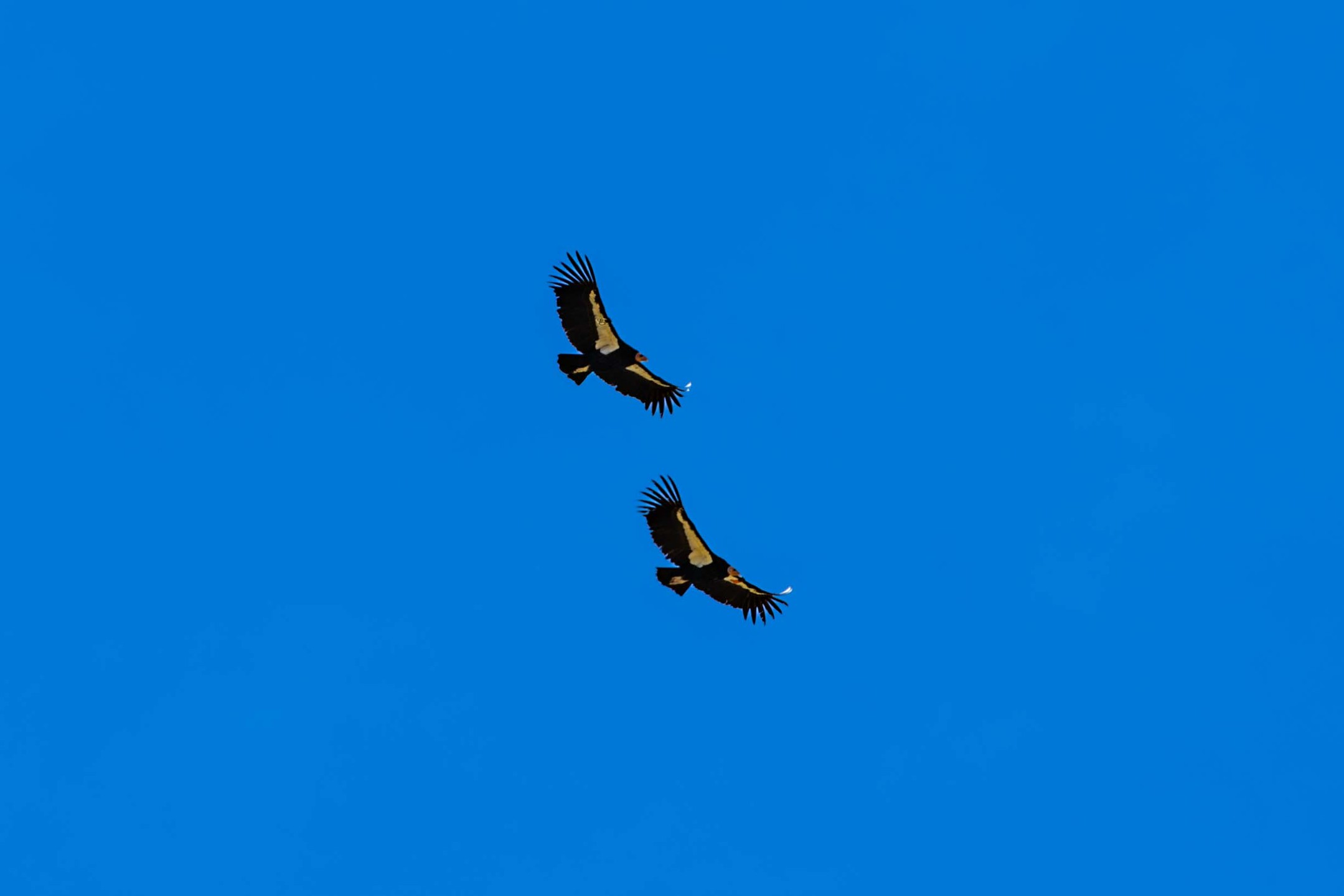
- Courtship behaviors among California condors and their significance.
- The role of male and female condors during the courtship process.
- Insights from conservation efforts and monitoring of condor pairs.
- Importance of nest management and reproductive success in the California condor population.
- Challenges facing California condors during mating and nesting seasons.
California condors, known scientifically as Gymnogyps californianus, are vital birds that play significant roles in the ecosystems they inhabit. As one of the largest birds in North America, they have captured attention worldwide due to their striking appearance and endangered status. During this time of year, the courtship season is in full swing in condor country, marking an important phase in the lives of these magnificent creatures.
Courtship behaviors among California condors are intricate and serve as a precursor to nesting season. Male condors exhibit various ritualized displays to attract females. This powerful display begins with the male standing tall, wings partially spread, head lowered, and neck arched forward. In this position, the condor turns slowly while swaying side-to-side. The display is heightened by the inflation of their neck pouch, emphasizing the vibrant reds, oranges, and blues of their non-feathered skin. This splash of color is not just for show; it is an important aspect of their mating ritual.
The courted female often responds by puffing up, showcasing her own bright coloration. This interaction creates a visual spectacle that reinforces pair bonds and sets the stage for potential mating. The courtship display culminates in copulation, which is the gateway to reproduction. Successful mating can lead to the crucial outcome of egg-laying, vital for the continuation of the species.
Alongside these ground displays, coordinated flights are also a fascinating aspect of condor courtship. When both birds fly side-by-side, nearly touching their wingtips, it is a stunning display of synchronization and trust. These aerial displays not only solidify their bond but can also serve as practice for future flights with chicks.
To gain deeper insights into these activities, the Santa Barbara Zoo’s condor biologists, Dave Meyer and Molly Murphy, have been closely monitoring 20 different condor pairs. Their observations provide valuable data on courtship patterns, mate selection, and the overall health of the population. Monitoring these pairs allows conservationists to adaptively manage their interventions in the wild, facilitating successful nesting and breeding.
The reproductive season is not only essential for increasing the population but also offers opportunities to alleviate threats faced by these birds. Predation, lead poisoning, and habitat loss have historically challenged California condor populations. By understanding the nuances of courtship behaviors and nesting patterns, wildlife management initiatives can better prioritize conservation efforts.
Nest management plays a crucial role during the breeding season. Condors often lay their eggs in natural cavities or on cliff ledges. These locations provide some safety from predators but can also be challenging due to environmental factors. For example, extreme weather conditions can impact the survival of the eggs and subsequent hatchlings.
California condor females typically lay a single egg every two years, which is a low reproductive rate that necessitates high success rates during nesting. Conservationists have developed strategies to enhance reproductive success by monitoring nest conditions, tracking egg viability, and intervening when natural conditions threaten survival. Innovative methods have been employed, such as using artificial nests, which can help replicate ideal natural conditions.
The commitment to these strategies hinges on the recognition that every condor matters. The population has grown from just 22 individuals in 1987 to over 500 today, thanks largely to dedicated conservation efforts. However, each breeding season underscores the fragility of this recovery. Continued education and awareness initiatives aim to engage the public in the challenges faced by California condors, highlighting the importance of collective stewardship for their habitat.
Despite these advancements, several challenges persist for California condors, particularly during the mating and nesting seasons. Lead poisoning remains one of the most severe threats. Condors often ingest spent lead ammunition while scavenging carcasses, which can result in deadly consequences. Conservation programs aim to mitigate this risk through educational outreach to hunters and by advocating for lead-free ammunition.
Additionally, habitat conservation is a pressing concern. As wildfires and human development encroach on condor habitats, the availability of suitable nesting sites diminishes. Preserving and restoring these habitats is crucial for sustaining a healthy population. Engagement with community stakeholders, including local governments and agricultural interests, can foster collaborations that benefit both nature and human needs.
California condors have become symbols of conservation success, demonstrating how concerted efforts can lead to recovery. Increasing public interest in these majestic birds encourages more individuals to get involved in conservation initiatives. This collective awareness creates a significant impact on preserving not only California condors but also ecosystems as a whole.
In their courtship displays, California condors embody the resilience of their species. Their vibrant behaviors and careful mating rituals are not just instinctual; they reflect the ongoing efforts to revitalize their population. Every successful pairing that leads to the next generation is a testament to the hard work and commitment of conservationists and biologists worldwide. From monitoring practices to habitat management, every effort contributes to the ongoing story of hope for the California condor.
By observing and supporting the delicate interplay of nature through courtship and nesting, society stands to gain invaluable lessons in conservation. The narrative of California condors illustrates the importance of interconnectedness between human activity and wildlife sustainability. As the courtship season unfolds, the world watches, not just for the spectacle of courtship but for the enduring promise of conservation and biodiversity.
*****
Source Description
Courtship is in full swing in condor country! 🪶♥️🪶
California condors are known for their specialized mating rituals, which signify the beginning of nesting season.
During courtship season, male condors are often seen performing a ritualized display to a female. Males will stand with wings partially out, head down, and neck arched forward. In this stance, the condor slowly turns around while rocking from side to side. The bird’s neck and cheeks are distended, and the crop (neck pouch) is inflated, accentuating the bright reds, oranges, and blues seen on the non-feathered areas of the condor.
Sometimes the courted female will also “puff up,” showing off her bright coloration in response. If the male succeeds in wooing the female with his display prowess, he will attempt to copulate – ideally resulting in an egg!
Accompanying these earth-bound displays are coordinated pair flights where the two birds fly side-by-side, nearly touching their wingtips.
The Zoo’s condor biologists Dave Meyer and Molly Murphy have been diligently monitoring and tracking 20 different condor pairs that have the potential to nest this coming season. Go condors, go!
Alt-text: Photos from Bitter Creek National Wildlife Refuge. In the first, a pair of wing-tagged condors fly side by side. Next, we see Santa Barbara Zoo conservation biologist Dave Meyer (center, binoculars lowered) and guests from January’s AZA Directors’ Policy Conference looking into the sky as they spot wild California condors. We see another photo of wild California condors in flight in the third photo. Finally, we see the Zoo’s conservation team foregrounded as California condors sky the skies above in the distance in the last photo.
