
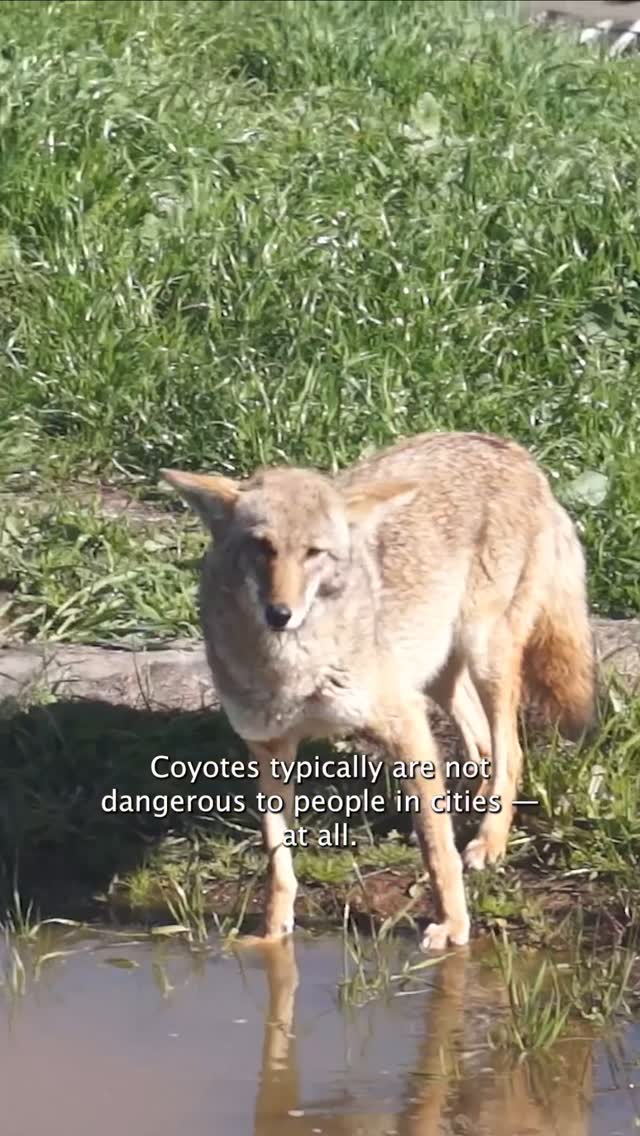
- Coyotes in San Francisco: Their journey back into urban spaces and the role they play in urban ecosystems.
- Understanding coyote behavior and ecology to foster peaceful coexistence.
- The importance of public awareness and education in coyote management and conservation.
- Strategies for mitigating human-coyote conflicts in urban settings.
- The contributions of research and science to sustainable wildlife conservation.
Coyotes, once nearly extirpated from urban landscapes, have made a notable resurgence in San Francisco over recent decades. These adaptable predators are not merely surviving but thriving, integrating themselves into the urban ecosystem. As native species, coyotes bring ecological benefits, contributing to the control of rodent populations and maintaining the balance of local biodiversity. Despite common misconceptions, these animals can coexist harmoniously with human communities when understanding and respect are prioritized.
Delving into coyote behavior is essential for building coexistence strategies. Coyotes are highly adaptable and possess a diverse diet, feeding on rodents, fruits, and occasionally small domestic animals. This adaptability allows them to thrive in varied environments, from dense forests to bustling cities. Understanding their natural behavior, such as their territorial nature and primarily nocturnal activity patterns, is vital for assessing potential encounters and minimizing conflicts in urban areas.
Education and awareness are crucial components of effective coyote management. By disseminating accurate information about coyote ecology and behavior, communities can reduce undue fear and foster a culture of coexistence. Dispelling myths—such as the notion that coyotes pose a significant threat to humans—helps to recalibrate public perceptions and promote informed decision-making. Education initiatives should emphasize the natural role of coyotes in urban settings and the benefits they provide.
Addressing human-coyote conflicts involves a multi-faceted approach, prioritizing non-lethal strategies. Measures such as securing garbage, supervising pets, and installing motion-sensitive lighting can deter coyotes from entering human spaces. Community engagement is also vital, with local authorities collaborating with residents to identify specific concerns and develop tailored solutions. Utilizing noise deterrents or modifying landscapes to reduce cover and food sources represents pragmatic, humane conflict mitigation practices.
Scientific research plays a pivotal role in advancing conservation efforts. Studies conducted by wildlife ecologists, including those by noted researcher Christine Eleanor, contribute indispensable insights into coyote population dynamics, habitat use, and interspecies interactions. This body of research informs policy decisions, guiding urban planning and conservation strategies that accommodate both human and coyote needs. Continued investment in science-led initiatives remains crucial for achieving long-term coexistence.
In summary, the resurgence of coyotes in San Francisco exemplifies nature’s resilience and adaptability. Through understanding their ecological role, educating the public, addressing conflicts with humane solutions, and supporting robust scientific research, humans and coyotes can share urban spaces with mutual respect and minimized friction. As urbanization continues to expand, fostering collaborations between wildlife experts and city planners will be essential for sustaining biodiversity in cities.
*****
Source Description
Coyotes have made a comeback to San Francisco in recent decades, but have no fear! These native predators are an important part of urban ecosystems, and we can coexist with them in a way that protects all of us. Featuring Academy researcher @christine_eleanor
