
Summary of Making a Home for Waterfowl:
Tomorrow is National Waterfowl Day, celebrating waterfowl and wetlands. The Cincinnati Zoo & Botanical Garden’s Bowyer Farm features a 100-acre wetland established in 2012, providing crucial habitat for thousands of migrating waterfowl and breeding grounds for species like Canada geese and mallards. The farm has recorded 211 bird species, including sandhill cranes and warblers, and supports various wildlife, including amphibians and mammals. Wetlands are vital for wildlife habitat, water quality, erosion control, and flood protection, yet Ohio has lost 90% of its wetlands. For more information about Bowyer Farm, listeners can check out a podcast featuring Brian Jorg from the Cincinnati Zoo.
- The importance of wetlands as habitats for waterfowl.
- Biodiversity supported by wetland ecosystems.
- Successful habitat restoration efforts at Bowyer Farm.
- The role of waterfowl in local ecosystems.
- Conservation strategies for protecting waterfowl and wetlands.
Wetlands serve as critical ecosystems that support a myriad of wildlife, especially waterfowl. These wet areas are rich in nutrients and provide necessary resources for species to thrive. Waterfowl benefit from wetlands for nesting, feeding, and migration—making these areas vital for their survival. Wetlands offer a unique blend of water and land, which fosters a rich habitat for both flora and fauna.
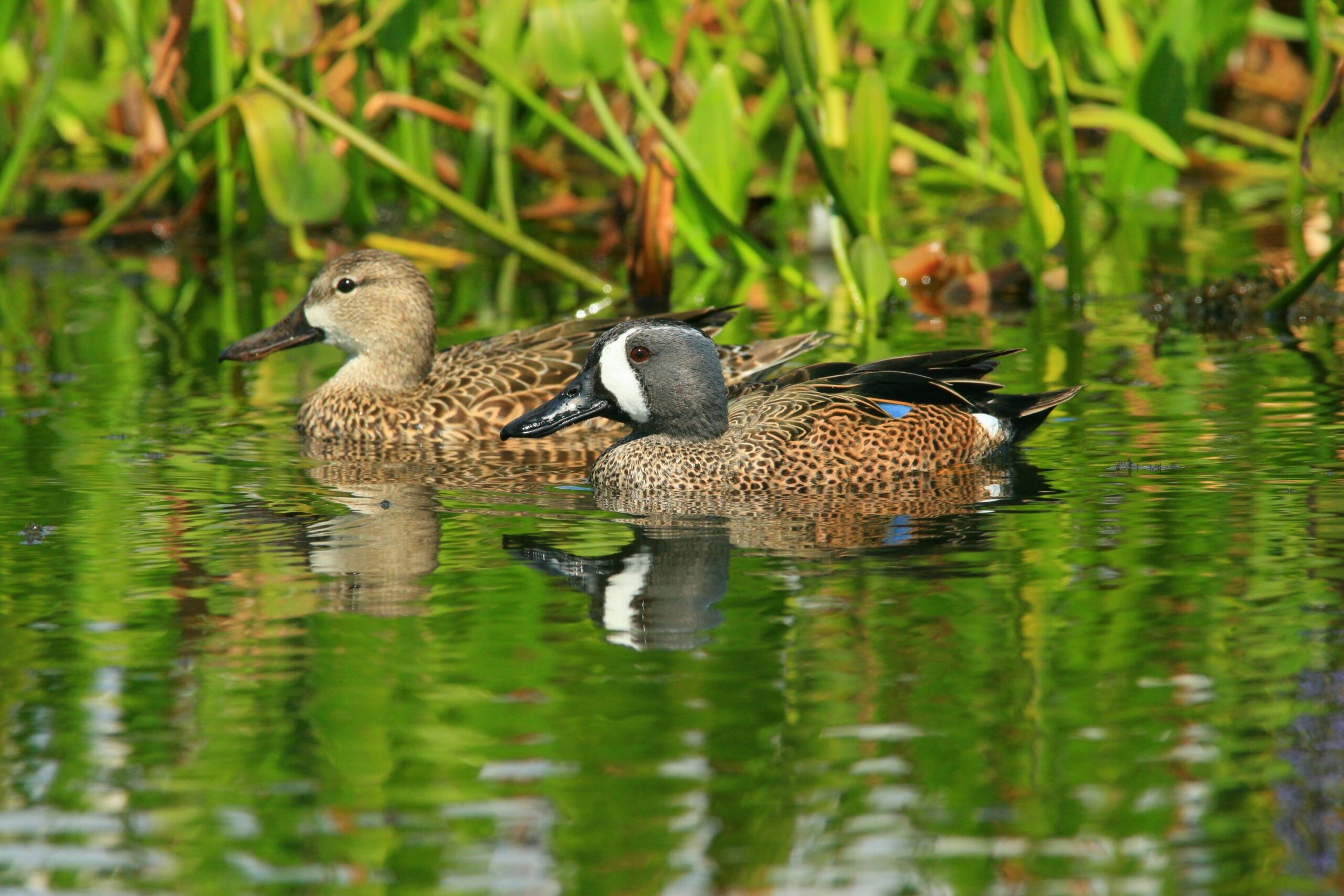
At the Cincinnati Zoo & Botanical Garden’s Bowyer Farm, a 100-acre wetland was established in 2012. This initiative stands as a prime example of viable habitat for waterfowl during their migration periods. Each spring, thousands of migrating birds utilize this area as an essential stopover to rest and feed before journeying north. The arrival of species like Canada geese, mallards, wood ducks, hooded mergansers, and blue-winged teal demonstrates the success of the habitat creation. Even less common visitor species, such as the black-bellied whistling duck, have been spotted, indicating the varied biodiversity present.
Wetlands are not just important for waterfowl; they provide rich habitat for a variety of other wildlife. Bowyer Farm has recorded 211 species of birds, making it a significant location for avian biodiversity. Beyond waterfowl, species such as sandhill cranes and various warblers also thrive in this environment. Amphibians and reptiles, like salamanders and frogs, as well as mammals, such as mink, depend on these habitats. The diverse plant life in wetlands further supports a large number of pollinators, underscoring their importance in maintaining ecological equilibrium.
While Bowyer Farm showcases the biodiversity that wetlands can support, it is essential to recognize the current threats to these vital ecosystems. Ohio has lost nearly 90% of its wetlands due to urban development, agriculture, and other human activities. This alarming statistic highlights the need for ongoing restoration projects. The wetlands at Bowyer Farm not only provide a crucial habitat but also serve functions such as water quality improvement, erosion control, and flood protection. These benefits extend beyond the farm, contributing to the overall health of the local ecosystem.
The significance of waterfowl in these ecosystems cannot be overstated. They play a vital role in food webs and act as indicators of environmental health. By feeding on aquatic plants, decaying material, and small organisms, waterfowl help maintain plant diversity and nutrient cycling within wetlands. Their migratory patterns connect distant ecosystems, facilitating nutrient transfer and genetic exchange among populations. In essence, they act as a bridge between different biological communities.
Conservation strategies for waterfowl and wetlands are fundamental to maintaining healthy ecosystems. The approach at Bowyer Farm demonstrates effective habitat restoration and management. Reintroducing native plants and removing invasive species are key actions taken to ensure ecological balance. Monitoring bird populations through systematic surveys provides valuable data for understanding the effectiveness of these restoration efforts. Such data can inform adaptive management strategies tailored to the specific needs of local species.
In addition to habitat management, public outreach and education play vital roles. Increasing awareness about the importance of wetlands and waterfowl can inspire community involvement. Programs that engage citizens in conservation activities, such as habitat restoration and bird watching, contribute to a culture of stewardship. Education initiatives can help foster a deep appreciation for biodiversity and the intricate connections within ecosystems.
Moreover, partnerships with governmental and non-governmental organizations enhance conservation efforts. Collaborative projects can provide additional funding and resources to amplify the impact of local initiatives. Furthermore, participating in broader wetland conservation programs can contribute to larger environmental goals, ultimately leading to healthier landscapes.
Ultimately, the effort to make a home for waterfowl at Bowyer Farm is a testament to what can be accomplished through commitment and collaboration. The rich diversity of species found in this habitat illustrates how restoring wetlands can create thriving ecosystems. As National Waterfowl Day approaches, it serves as a reminder of the importance of these habitats and the species they support. Each step taken in conservation is a step toward healthier ecosystems and sustainable biodiversity for future generations.
The impact of these efforts stretches far beyond Bowyer Farm. The wetlands contribute significantly to the region’s ecological integrity, serving as a crucial resource for wildlife and humans alike. Sustaining water quality, controlling erosion, and providing flood protection are among the many advantages that wetlands offer. With continued focus on restoration and conservation, we can hope for a future where waterfowl populations thrive, fostering biodiversity and enriching human experiences in nature.
In navigating the complexities of wildlife management, it becomes clear that every action counts. Creating habitats for waterfowl allows for the restoration of ecological balance and supports a wide array of species. Community engagement, education, and solid policy are vital components for success. As our understanding of these ecosystems deepens, the responsibility to protect them intensifies.
On National Waterfowl Day, let us recognize the intricate relationships between wetlands, waterfowl, and our broader environment. Taking action to safeguard these essential habitats is crucial, helping us pave the way towards a sustainable future. The successes witnessed at Bowyer Farm serve as a beacon of hope and a call to action for individuals and communities. Together, we can enhance the wellbeing of both wildlife and ecosystems across various landscapes.
