
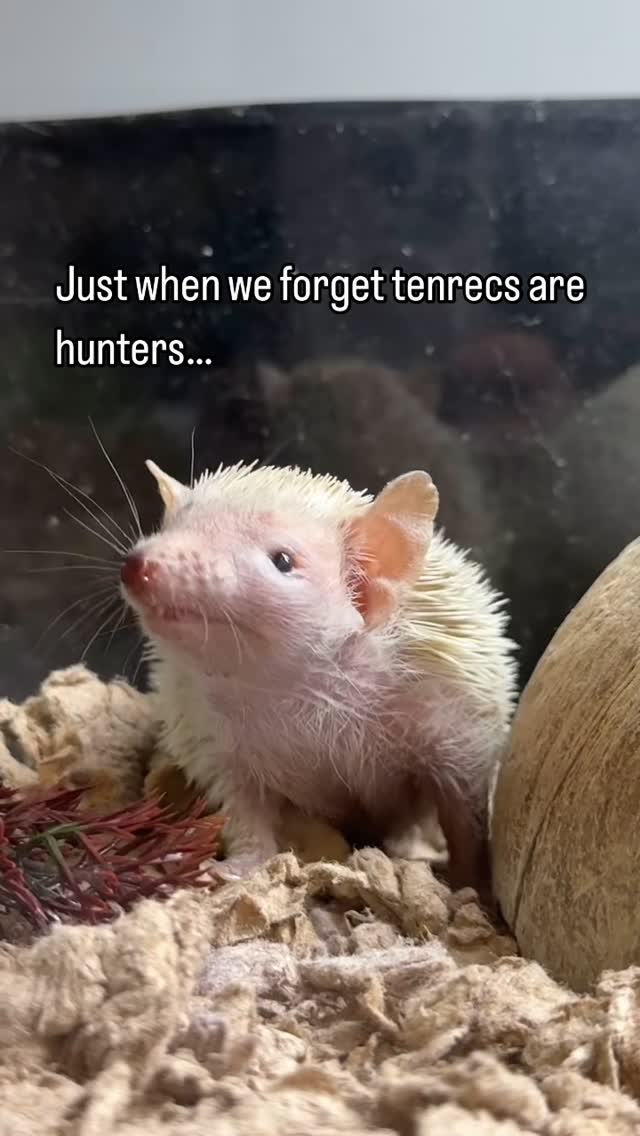
- The biology and behavior of lesser Madagascar hedgehog tenrecs
- The dietary preferences of insectivores and the role of crickets
- Insights into potential conservation issues affecting tenrecs
- The ecological significance of tenrecs in Madagascar
- Proper care and management practices for captive tenrecs
The lesser Madagascar hedgehog tenrec (Echinops telfairi) presents a fascinating case study in the world of mammals. These small, spiny creatures, which are often mistaken for hedgehogs, inhabit the lush environments of Madagascar. Weighing between 4-7 ounces as adults, they have evolved to thrive in specific ecological niches. Their unique adaptations make them a valuable subject for studying adaptive radiation and species diversification on these islands.
In the case of the lesser Madagascar hedgehog tenrec, crickets serve as a major food source. Dropping crickets into their enclosure acts like a dinner bell, triggering instinctual behaviors driven by their classification as insectivores. As specialized carnivores, insectivores consume insects and larvae, establishing a complex relationship within the food web. This feeding behavior illuminates the intricacies of their biology, particularly how they interact with their environment and hunting techniques.
Lesser Madagascar hedgehog tenrecs have developed several adaptations that optimize their hunting capabilities. They exhibit nocturnal behavior, being most active during the night. Their heightened senses, particularly smell and hearing, allow them to effectively locate food in low light conditions. Insects like crickets form a significant part of their diet, providing crucial proteins and nutrients necessary for their survival. This diet not only sustains the tenrec but also reflects the availability of species within their habitat. An imbalance in the insect population can lead to food scarcity and threaten their existence.
Conservation issues impacting lesser Madagascar hedgehog tenrecs are deeply concerning. Madagascar is known for its exceptional biodiversity, but it also faces significant threats from habitat destruction and climate change. Deforestation for agriculture and urbanization reduces the natural habitats where these tenrecs thrive. Additionally, as rainforests diminish, the availability of insects, their primary food source, becomes jeopardized. This can lead to declining tenrec populations and a decrease in genetic diversity, making them more susceptible to disease and environmental changes.
The ecological importance of lesser Madagascar hedgehog tenrecs extends beyond their role as insectivores. They contribute to the overall health of their ecosystems by helping control insect populations. This regulation is critical; unchecked insect populations can lead to outbreaks that disrupt both plant and animal life. Furthermore, the tenrecs themselves serve as prey for larger predators, adding to the interconnectedness of their ecological community.
Caring for a lesser Madagascar hedgehog tenrec in captivity requires a thoughtful approach. Proper diet and environmental enrichment are crucial for their well-being. A suitable habitat should replicate their natural environment, including hiding spots and climbing structures. Crickets should not only be a staple in their diet but should also be supplemented with other insects to ensure a balanced nutritional intake. Regular monitoring of their health and behavioral changes can provide indicators of their well-being.
Breeding programs can play a significant role in conservation efforts for tenrecs. Zoos and wildlife institutions are beginning to focus on increasing awareness about these unique creatures. By participating in breeding initiatives, these organizations contribute to maintaining genetic diversity while educating the public about the challenges facing Madagascar’s wildlife. Conservation education fosters a deeper understanding of the ecological roles that tenrecs fulfill, which can inspire action toward their protection.
Monitoring the effects of climate change on lesser Madagascar hedgehog tenrecs offers important insights into broader environmental changes. These tenrecs are particularly vulnerable due to their limited distribution and reliance on specific habitats. Rising temperatures and shifting rain patterns can alter food availability, impacting their survival rates. Conservationists are also working on habitat restoration projects that aim to create a more sustainable environment for tenrecs and other endemic species.
Public engagement through social media and community outreach is vital for spreading awareness about the challenges tenrecs face. Compelling storytelling can connect people to the plight of these animals, inspiring them to contribute to conservation initiatives. Ample resources such as documentaries and fact sheets can serve to educate a wider audience about the importance of maintaining biodiversity in Madagascar.
As we examine the life of the lesser Madagascar hedgehog tenrec, it is evident that these small mammals play an essential role within their ecosystems. Their dietary habits involving crickets not only showcase their specific insectivorous nature but also highlight the intricate connections within the animal kingdom. These tenrecs, while small in size, have a larger impact on the ecological balance of their environment.
In summary, the lesser Madagascar hedgehog tenrec is a captivating example of adaptation and ecological role in Madagascar. By understanding their biology, dietary needs, and the conservation challenges they face, we can promote more effective strategies to save this lesser-known yet crucial species. The active steps taken today can ensure that future generations will not only appreciate the beauty of lesser Madagascar hedgehog tenrecs but also recognize their importance within the delicate tapestry of life on Earth.
*****
Source Description
You drop crickets in a tenrec’s space, it’s like ringing the dinner bell 🔔 🍽️
Lesser Madagascar hedgehog tenrecs (like Sophie) are insectivores – meaning their diet consists of bugs & larvae. Since eating insects qualifies as consuming other animals, this counts insectivores as a more specific type of carnivore. Proof you don’t need a large set of Jaws to be considered a carnivore- hedgehog tenrecs (which are NOT hedgehogs contrary to the name) only weigh 4-7 ounces as adults.
🎥: Animal Curator Carley
