
- Physical Characteristics of Malayan Sun Bears
- Adaptations for Survival and Behavior
- Role in Ecosystems and Biodiversity
- Challenges and Conservation Efforts
- Educational and Zoo Management Insights
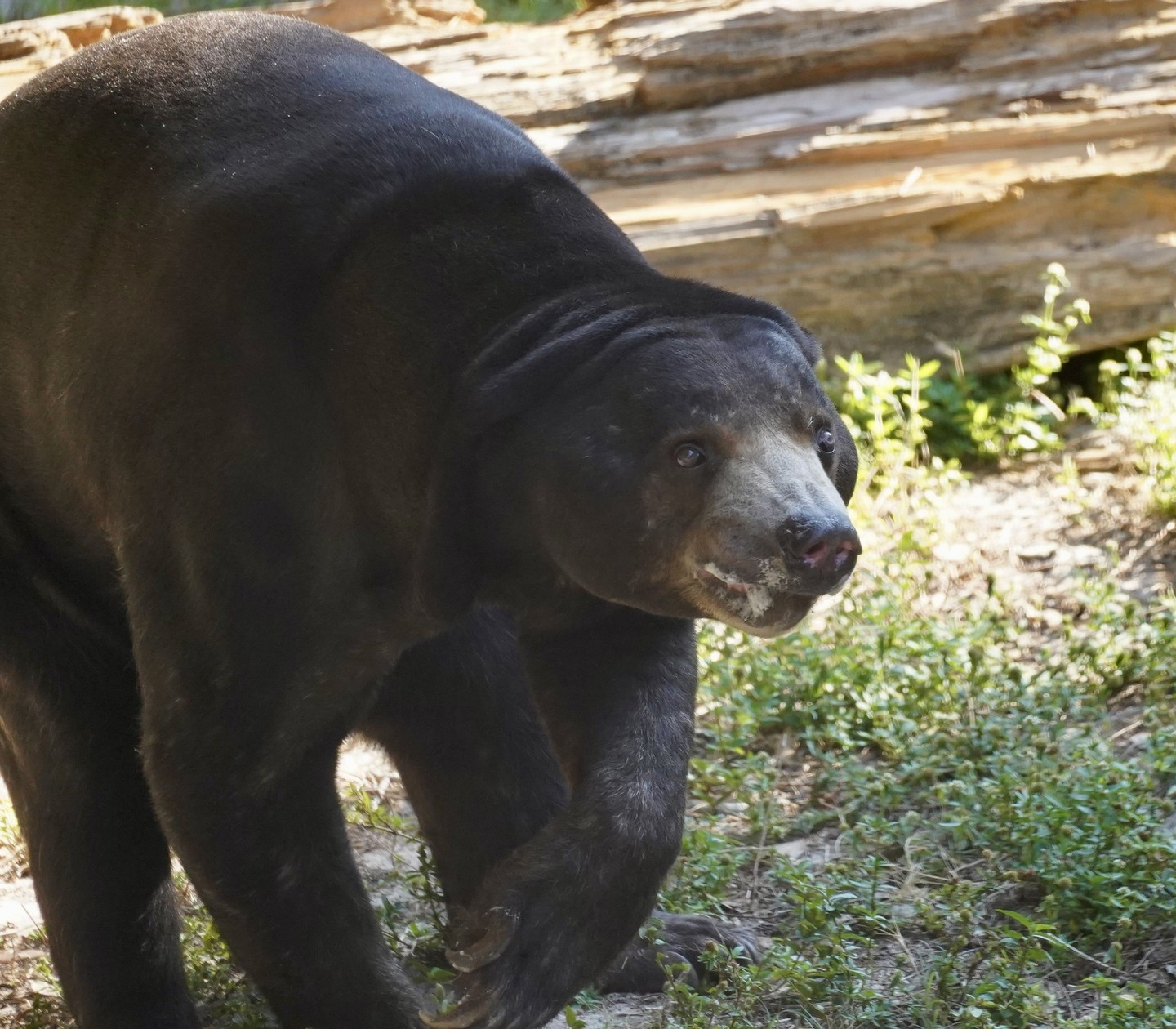
Malayan Sun Bears, also known as Helarctos malayanus, intrigue scientists and enthusiasts alike with their distinctive appearance. Known for occasionally resembling humans in costumes, their unique attributes beg exploration.
Physical Characteristics of Malayan Sun Bears
Malayan Sun Bears are the smallest of all bear species, with an average height of about 4-5 feet. Their stocky body structure is compounded by loose skin, which is notably useful when it comes to self-defense. Should a predator attack, this skin allows the bear enough flexibility to twist and bite back.
Their chest is broad and flat, with a distinctive patch of orange or cream marking against a black coat. This "sun" marking is speculated to act as a defensive mechanism, signaling potential threats. Their paws present inward-facing feet and massive claws that aid in their arboreal lifestyle.
Interestingly, these bears possess an exceptionally long tongue, reaching lengths up to 20-25 cm. This adaptation is incredibly beneficial in extracting honey and insects from narrow spaces, highlighting their nickname, the "honey bear."
Adaptations for Survival and Behavior
Malayan Sun Bears are primarily solitary creatures, which necessitates adaptations that facilitate their survival in the wild. Their bipedal abilities allow them to stand upright, enhancing their field of vision and making them appear more intimidating. This posture is not just for show. It’s key for reaching fruit and honey in higher branches.
Their diet is omnivorous, favoring fruits, small mammals, insects, and honey. The power of their jaws plays a significant role in cracking open tough nuts and trees to access food. Efficient foragers, they have evolved a sense of smell that helps detect food sources from over a mile away.
The muscular build and the curved structure of their claws are perfectly suited for climbing, making it easy for them to settle in trees where they often rest, away from ground predators. Climbing also aids in escaping from threats and accessing food.
Role in Ecosystems and Biodiversity
Sun bears contribute significantly to their ecosystem. As seed dispersers, they boost forest regeneration by consuming fruits and dispersing seeds through their fecal matter. Additionally, their foraging behavior involves tearing open termite mounds and tree bark, indirectly facilitating growth for other species.
Predators in their environment include tigers and large snakes, making them integral components of the food chain. Their interactions help maintain the balance within their habitat, underscoring the importance of their preservation for future biodiversity.
Challenges and Conservation Efforts
Sun bears face numerous threats, primarily due to habitat loss from deforestation and illegal logging. Human encroachment has led to significant habitat fragmentation. Couple this with the illegal pet trade and poaching for their bile, and it’s clear why their numbers are declining.
Conservation efforts are increasingly important. Organizations are working tirelessly to create protected areas and enforce anti-poaching laws. Rehabilitation programs aim to reintroduce orphaned or rescued bears back into the wild, although the challenge remains substantial.
Public education and awareness are vital to these conservation initiatives. By understanding the Sun bear’s role and challenges, communities can support efforts to protect these magnificent creatures.
Educational and Zoo Management Insights
Zoos play a pivotal role in conservation and education, creating breeding programs to help increase Sun bear populations. They provide opportunities for research into bear behavior, genetics, and health, offering invaluable data to conservationists.
Education at the zoo level fosters awareness, illuminating the pressing need for conservation among visitors. Through interactive exhibits and informative lectures, zoos across the globe ensure the continued protection of many endangered species.
The role of zoo management extends beyond basic care. It demands a focus on habitat recreation, ensuring these bears lead enriched lives in captivity. Simulated climbing structures and puzzle feeders mimicking foraging challenges are increasingly adopted to stimulate the bears’ natural behaviors.
Malayan Sun Bears continue to captivate through their unique features and essential role in nature. By understanding and protecting these animals, we not only preserve a bear species but also support a broader environmental balance crucial to our planet’s health.
*****
Source Description
While we may not know what Kacey is thinking about, we’re wondering if you know why Malayan Sun Bears got their iconic look! 👀
🤳 Malayan Sun Bears have made their rounds for apparently resembling humans in bear costumes, but why do they look like that? These bears are stocky, with loose skin, flattened chest, inward facing feet, and excellent bipedal (two-footed standing) skills! 🐻
All of these physical adaptations help Kacey and his fellow Sun Bears participate in extensive climbing, defense, and foraging.
