
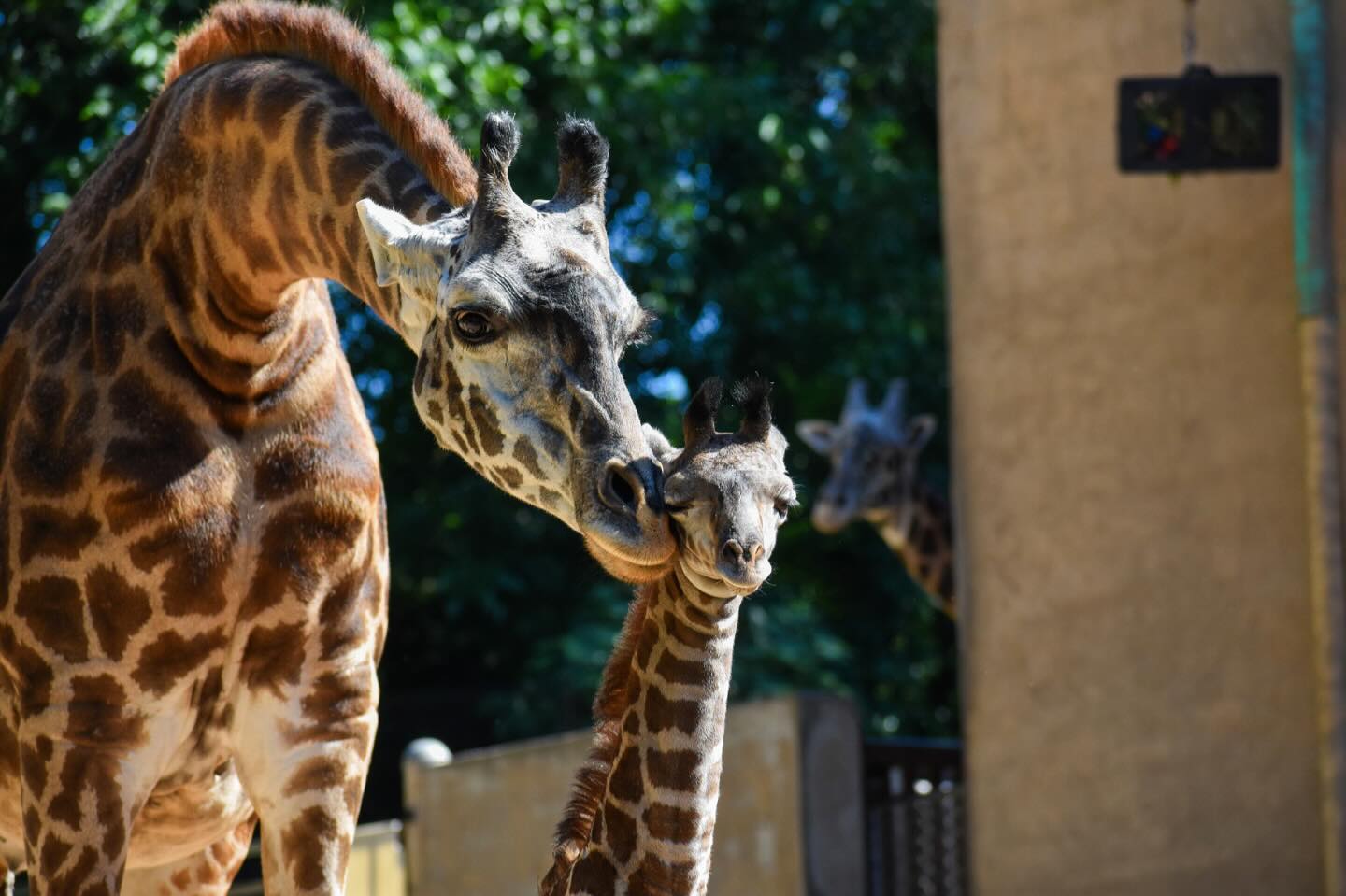
- The significance of animal husbandry in zoo environments
- The social behavior and maternal care of species in captivity
- The importance of public engagement in wildlife conservation
- The challenges of balancing animal welfare with educational goals
- The role of zoos in promoting biodiversity and habitat conservation
Cuteness overload is not just a captivating phrase; it represents the deep connection humans have with animals, especially young ones. When attending a zoo, visitors often find themselves utterly charmed by the sight of playful youngsters, evoking feelings of warmth and joy. This emotional response plays a crucial role in fostering compassion toward wildlife. Animal husbandry practices are essential in zoos to ensure the health and well-being of these captivating creatures.
Animal husbandry encompasses the care, breeding, and management of zoo animals. This involves creating environments that reflect their natural habitats, providing appropriate diets, and ensuring proper healthcare. In the context of our exhibit, mom and baby are given a habitat that mimics their native surroundings, offering ample space for the young one to explore, learn, and thrive. This careful approach not only contributes to their physical well-being but enhances their social and psychological health as well.
Understanding the social dynamics within species is essential for effective husbandry. Many animals, particularly mammals, exhibit complex social structures and behaviors. Young animals often learn important survival skills from their mothers during infancy and early childhood. For example, maternal care in mammals can significantly influence the young one’s future behavior. Mothers often teach their offspring how to forage, navigate social interactions, and establish boundaries. Observing this maternal bond in real-time is a captivating experience for visitors, inspiring awe and a sense of responsibility toward wildlife.
Engagement with the public is paramount in wildlife conservation efforts. When visitors experience an emotional connection to animals, they often feel more compelled to support conservation initiatives. Zoos have a unique opportunity to educate the public about the threats many species face in the wild, such as habitat loss, poaching, and climate change. By showcasing vulnerable species through informative programs and interactive experiences, zoos can transform casual animal encounters into passionate advocacy for wildlife protection. Seeing the adorable young ones up close allows visitors to form emotional connections that can inspire them to champion conservation causes.
However, balancing animal welfare with educational goals presents significant challenges. While it is essential to engage the public, it is equally critical to ensure that the animals’ natural behaviors are not hindered in a confined setting. Exhibits must be designed to allow for naturalistic behaviors while also ensuring that animals are comfortable and stress-free. This often requires ongoing assessments by trained staff, who closely monitor the animals’ health and behavior and adjust exhibits accordingly when needed.
The role of zoos extends beyond public education; they are also critical in promoting biodiversity and habitat conservation. Through breeding programs and partnerships with conservation organizations, zoos can support the survival of endangered species. Captive breeding can serve as a safety net for species facing extinction in the wild. By recording genetic lineage and maintaining a diverse gene pool, zoos can work towards reintroducing genetically viable populations into their natural habitats, thus contributing to the restoration of ecosystems.
The concept of conservation breeding is vital in the fight against wildlife extinction. Many animals bred within zoo environments are part of collaborative programs targeting species survival. Successful examples include the California condor, black-footed ferret, and Arabian oryx, all of which have seen significant population rebounds due to efforts led by zoos. These initiatives require meticulous planning, including careful selection of breeding pairs and monitoring of offspring for health and adaptability.
Additionally, education programs can help dispel myths about specific species and promote a better understanding of their ecological roles. For instance, smaller mammals or birds often suffer from negative perceptions. Highlighting their unique traits can shift public opinion, fostering a greater appreciation and urging protective measures. Utilizing social media platforms and interactive online experiences, zoos can broaden their reach, engaging younger audiences and making conservation a shared responsibility.
Public enthusiasm often translates into action. Zoos can serve as community hubs, rallying local and global support for wildlife preservation. Events like "Adoption Days," where attendees can support a specific animal’s care, or "Behind the Scenes" tours, offering a closer look at daily operations, can effectively tighten the bond between visitors and the animals. By promoting awareness and direct involvement, zoos equip the public to act as stewards of the environment.
Importantly, the emphasis on zoo education also integrates discussions about habitat loss and climate change. Zoos have a responsibility to inform visitors about the ecological implications of these pressing issues. Through interactive exhibits and knowledgeable staff, they can foster critical thinking and ignite conversations about sustainable practices. Encouraging visitors to adopt eco-friendly habits, support legislation aimed at protecting habitats, and contribute to conservation organizations becomes a collective mission.
Crucially, the health of the animals remains a top priority. Ensuring that animals remain content and stimulated requires constant vigilance from trained staff members. Various enrichment strategies are utilized within zoo environments to enhance animals’ daily experiences. These can include physical activities, puzzles that simulate foraging behavior, and social interactions that mimic wild conditions. Visitors are often privileged to witness these activities, further bridging the gap between education and entertainment.
Understanding the landscape of modern zoos includes recognizing that many professionals are dedicated to animal welfare, education, and conservation. Zoo staff members often pursue advanced degrees in zoology, wildlife management, and conservation biology, equipping them to handle the complexities of animal care and exhibit design. Collaboration with external research institutions also strengthens the scientific basis of zoo programs. By staying informed on the latest research practices, zoos can continually improve their work and adapt to changing conservation landscapes.
As we reflect on the allure of the adorable young animals on exhibit daily from 10 am until noon, we see their potential to inspire future generations. Children and adults alike are captivated by the innocence and playfulness of younger animals, leading to a vital conservation narrative. By fostering an environment that prioritizes animal welfare, public engagement, and habitat restoration, zoos can significantly contribute to the greater ecological health of our planet.
Understanding the intricate balance of animal care, education, and conservation in zoos is essential for anyone passionate about wildlife stewardship. The enchanting experiences offered through opportunities to interact with young animals deepen emotional connections and inspire actionable support for conservation efforts. Each visit to a zoo can be an educational journey, evolving a simple trip into a meaningful contribution to wildlife conservation.
The phenomenon of cuteness is not just a charming spectacle; it serves as a gateway to deeper engagement with wildlife and conservation issues. The sight of a sweet baby animal occupies a cherished place in human hearts, reminding us of the importance of protecting our planet’s ecosystems. By choosing to support and engage with zoos actively, individuals can play an essential role in nurturing the future of these magnificent creatures. The joy of seeing a baby animal transforms from a fleeting moment into a catalyst for lifelong stewardship.
*****
Source Description
🚨 Warning: cuteness overload! 😍
We’re absolutely head over hooves for this sweet boy! If you haven’t met this cutie in person yet, mom and baby are on exhibit every day from 10 am until noon, weather permitting!
