
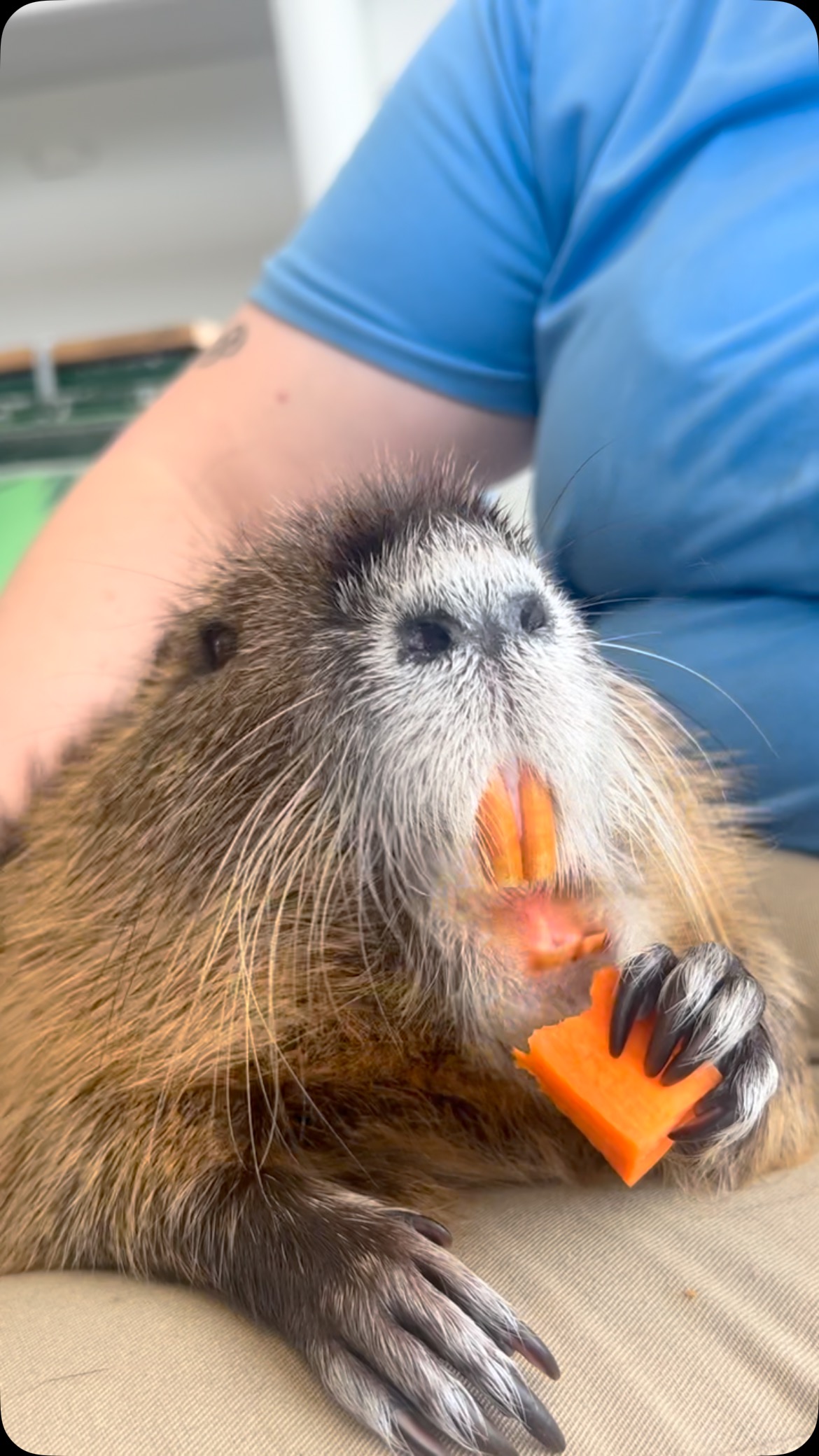
- Overview of Cypress the Nutria: Characteristics and Habitat
- Behavior and Diet of Nutria
- ASMR and its Connection to Wildlife Encounters
- Conservation Efforts for Nutria and Their Ecosystems
- Role of Public Education in Wildlife Conservation
Cypress the nutria, a fascinating member of the rodent family, exemplifies the complexity of wildlife. Native to South America, nutria have made their way into various ecosystems around the globe. This article takes an in-depth look at Cypress, touching on its physical attributes, diet, behaviors, and conservation status, while also exploring the ASMR trend surrounding wildlife observation.
Cypress the nutria, belonging to the family Echimyidae, is characterized by a stout body, webbed feet, and a long, round tail. Adult nutria can weigh anywhere from 15 to 20 pounds and can reach lengths of 2 to 4 feet. Their fur is typically coarse and water-repellent, offering insulation against cold water, which is essential for their semi-aquatic lifestyle. Nutria are adaptable creatures, thriving in wetlands, marshes, and riverbanks, where they construct burrows to escape from predators and raise their young.
Their habitat preferences range widely; they can be found in freshwater and brackish environments. In the United States, nutria have established populations in states such as Louisiana, Texas, and California, with significant impacts on local ecosystems. Understanding their natural ecosystems is vital for implementing effective management strategies.
Nutria are primarily herbivorous, consuming an array of vegetation, including aquatic plants, reeds, and roots. Nutritional needs vary with the seasons; during warmer months, they tend to favor tender greens, while in colder seasons, they often rely on woody plants. Their feeding habits can lead to significant ecological impacts, including erosion of riverbanks and the alteration of wetland vegetation.
In terms of behavior, nutria are social animals. They often live in groups called colonies, which can include multiple generations. This social structure helps them in foraging and protecting their territory. Nutria communicate through vocalizations and scent markings, establishing dominance and attracting mates.
As for ASMR, it stands for Autonomous Sensory Meridian Response. This phenomenon is characterized by a calming, usually tingling sensation that some individuals experience in response to specific auditory or visual stimuli. As wildlife observation becomes more popular, many individuals seek ASMR experiences related to nature. The sounds of Cypress chewing on vegetation, splashing water, or grunting can provide a soothing effect for audiences, helping them connect with nature in a tranquil way. This connection is vital for fostering interest in wildlife beyond mere observation.
Conservation efforts targeting nutria are increasingly important due to their potential ecological impact. Despite their ability to thrive in various environments, their overpopulation can lead to habitat degradation. For example, when nutria consume large amounts of wetland vegetation, they can lead to soil erosion and water quality issues. Various strategies, including population control measures and educational campaigns, aim to mitigate these effects.
Several organizations are actively engaged in nutria management and habitat restoration. These efforts work towards balancing the needs of wildlife with those of local communities. Proper wildlife management aims to minimize conflicts between human activities and animal populations while restoring degraded habitats.
Engagement with the public plays a crucial role in conservation. Educational programs focusing on the importance of biodiversity, ecosystems, and responsible wildlife interactions can foster a culture of stewardship. Promoting awareness and appreciation for species like Cypress the nutria encourages community participation in conservation initiatives.
Public awareness has a direct impact on policies and practices. More engaged citizens tend to advocate for responsible land use and sustainable environmental practices, helping to ensure that diverse ecosystems remain intact. The connection between people and wildlife is significant; when individuals recognize the role animals play in maintaining ecological balance, they are more likely to support relevant initiatives.
The life and behaviors of Cypress the nutria exemplify the delicate balance of ecosystems, where each species has a role. Through responsible interactions and informed behaviors, humans can contribute to preserving biodiversity. Such endeavors benefit not only wildlife but also the health of the planet and future generations.
In the context of wildlife conservation, Cypress the nutria serves as a valuable study subject. By examining their behaviors and impacts on the environment, we gain insights that can benefit other species as well. Utilizing cutting-edge research and monitoring techniques helps in gathering data necessary for improving management practices.
In recent years, various organizations have prioritized research on nutria. Studies focused on their ecological roles, behaviors, and population dynamics provide critical insights for developing effective strategies. Collaboration among scientists, policymakers, and community members is essential in addressing challenges facing wildlife preservation.
Participating in discussions about species conservation can enhance community resilience. Engaging with local stakeholders helps in identifying challenges and potential solutions regarding wildlife interactions. Understanding local ecosystems is fundamental for implementing successful conservation programs.
As communities learn more about Cypress the nutria, interest in wildlife observation rises. With the growing popularity of ASMR related to nature, educational content can reach wider audiences. Videos capturing the genuine sounds of nutria in their habitat create immersive experiences that deepen the connection between people and wildlife.
The rise of social media platforms enables enthusiasts to share their wildlife encounters, creating a community of advocates for animal-related conservation. Videos featuring Cypress gnawing on plant material or swimming provide moments of calm and curiosity. Such content not only entertains but also educates viewers on the ecological challenges faced by nutria and their ecosystems.
Thus, the role of Cypress the nutria in conservation cannot be understated. This rodent provides ample opportunities to study the dynamics of ecosystems and emphasizes the importance of responsible wildlife interactions among humans. Activities like ASMR evoke an emotional response, reminding audiences of the beauty and complexity of nature.
In summary, there is much to learn from Cypress the nutria and its associated ecosystem. A blend of scientific understanding, community engagement, and creative outreach via platforms like ASMR holds the potential to inspire a broader appreciation for wildlife conservation. Recognizing the vital role of species like nutria in their habitats encourages proactive measures to protect both biodiversity and the environments they inhabit.
Promoting these essential connections will not only raise awareness but will also empower individuals and communities to take action in support of precise conservation efforts. A unified approach enables us to address the challenges faced by wildlife currently and to safeguard their futures.
*****
Source Description
Cypress, the nutria, ASMR on this Friday!
