
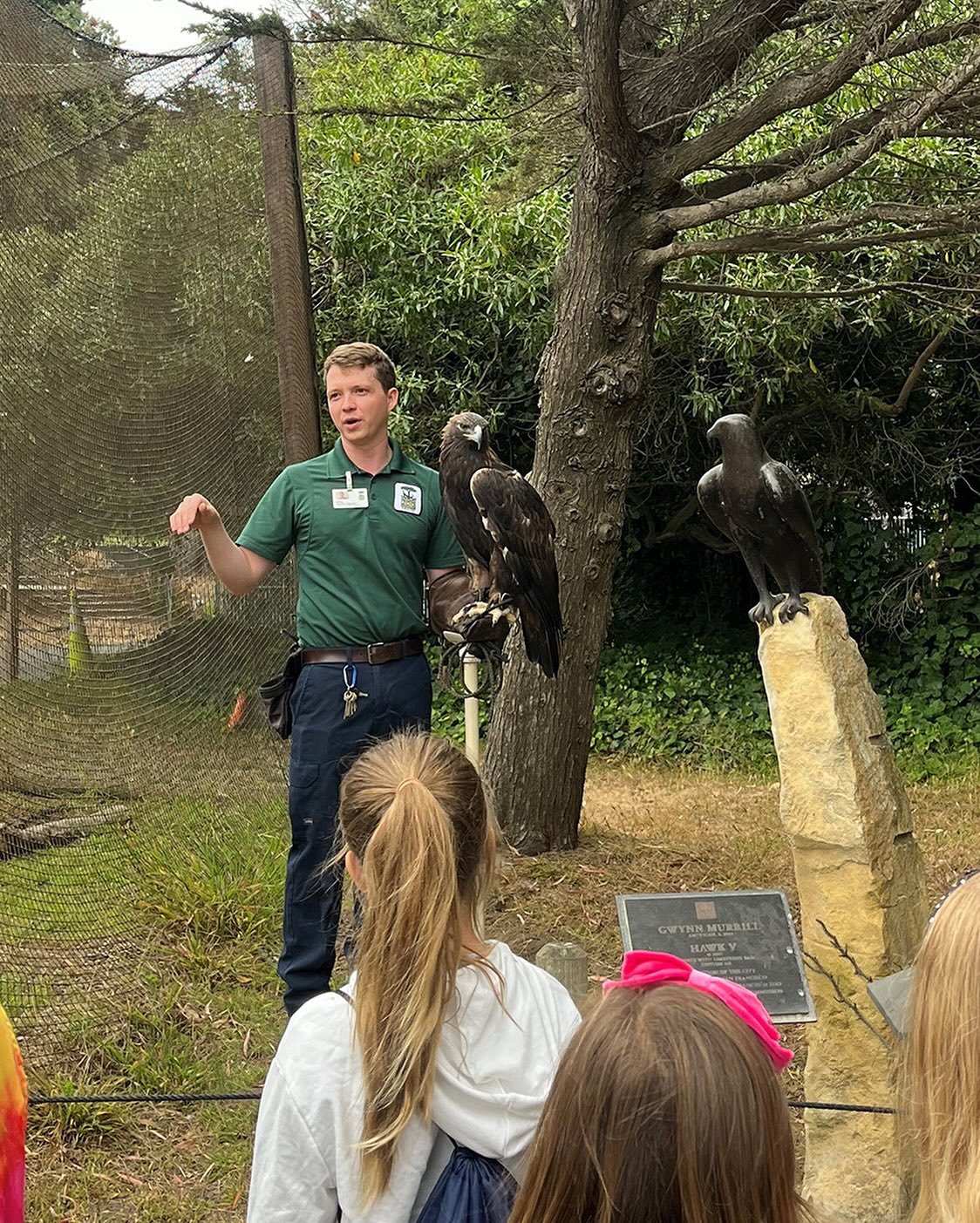
- Daily raptor encounters at the Animal Rescue & Conservation Center (ARC)
- Understanding raptors: their roles in ecosystems and conservation
- Meet Sierra, the 26-year-old Golden eagle ambassador
- The importance of educational programs in wildlife conservation
- How animal encounters foster a connection to nature
Animal encounters serve a vital function in fostering public awareness and appreciation for wildlife. At the Animal Rescue & Conservation Center (ARC) located in the Exploration Zone, visitors can participate in daily raptor talks at 10:30 a.m. and 4:30 p.m. This interactive experience focuses on raptors—the birds of prey that play crucial roles in our ecosystems. Through live demonstrations and educational discussions, guests learn about these magnificent birds and their significance in the natural world.
Raptors, including eagles, hawks, and owls, are essential for maintaining the balance of ecosystems. They function as apex predators, regulating the populations of rodents and other small mammals. This predation helps reduce the spread of disease and allows for healthier wildlife populations and habitats. Each species, from the versatile Red-tailed Hawk to the majestic Bald Eagle, has specific adaptations that make it uniquely suited to its environment. Understanding these adaptations highlights the importance of conserving their habitats, which are often endangered by human activity.
The centerpiece of the raptor talks at ARC is Sierra, a 26-year-old Golden eagle. As one of the center’s long-term ambassador animals, Sierra offers an up-close look at a sturdy and beautiful species. Golden eagles are known for their impressive wingspans, which can reach up to 7.5 feet. They exhibit remarkable hunting skills, capable of diving at speeds over 150 miles per hour. Sierra’s age further emphasizes the importance of conservation; older individuals often serve as vital educational tools that help people understand the impact of habitat loss and climate change on bird populations.
During the raptor talks, attendees have the opportunity to ask questions and gain insights into the care and rehabilitation of raptors. The ARC provides detailed information about their diets, nesting behaviors, and migration patterns. For instance, many raptors migrate seasonally, traveling thousands of miles to find optimal breeding and feeding grounds. Such knowledge equips visitors with a deeper understanding of the challenges these birds face in the wild, thereby enhancing public engagement in conservation efforts.
In addition to learning about raptors, participants can observe Sierra in her outdoor enclosure throughout the day. This observation allows for an interactive experience, where visitors can witness her behavior and physical characteristics in a natural setting. Golden eagles possess keen eyesight, enabling them to spot prey from great distances. Seeing these traits firsthand fosters admiration and respect for these birds, as well as a profound understanding of their role in the ecosystem.
Educational programs like the raptor talks at ARC highlight the necessity of wildlife conservation. Birds of prey are often indicators of environmental health; their populations can reflect the status of entire ecosystems. Conservationists consider declines in raptor populations as warnings that habitats are at risk. The more people engage with these educational encounters, the more they become informed advocates for wildlife preservation.
Animal encounters facilitate a strong connection to nature. When visitors meet ambassador animals like Sierra, they develop emotional ties that can spark interest in the larger conservation landscape. Engaging stories about individual animals often resonate with people, encouraging them to learn about and support conservation initiatives. This emotional connection can lead to increased participation in conservation efforts, be it through donations, volunteer work, or community outreach.
Understanding the ecosystems and behaviors of raptors is key to fostering responsibility towards their conservation. Raptors often face threats such as habitat destruction, hunting, and pollution. By highlighting the challenges these birds endure, ARC not only educates its visitors but also inspires action. The talks about raptors serve as a gateway for individuals to understand larger conservation issues they can impact positively.
The educational aspect is particularly vital as awareness of environmental issues expands. Programs like the raptor talks contribute significantly to public knowledge and activism. For example, understanding how pesticides affect raptor populations can motivate individuals to choose more environmentally-friendly products. Knowledge about the interconnectedness of wildlife and humanity can stimulate broader changes in consumer habits and lifestyle choices.
The raptor encounter experience at ARC is a powerful example of how zoos and conservation centers can promote environmental stewardship. The positive interactions between visitors and animals like Sierra underscore the importance of real-world engagements that deepen understanding and empathy towards wildlife. As communities become more aware of these issues, it creates a ripple effect that benefits wildlife conservation strategies.
Moreover, educating the public about raptors enhances the appreciation for biodiversity. Raptors are species that hold ecological significance, and their decline can indicate larger issues affecting various animal populations. When people grasp the intricate balance of ecosystems, they are far more likely to support regulations and practices that protect those systems.
Attending the Raptor Talk at ARC not only equips participants with knowledge but also ignites passion for conservation. Seeing a majestic bird in person brings to life the discussions about daily challenges that these creatures face in the wild. This personal connection often encourages further exploration into wildlife issues.
The role of animal rescue centers like ARC cannot be overstated. Such organizations often act as critical refuges for injured and orphaned wildlife. The work of dedicated teams at these centers ensures that animals like Sierra receive necessary care, rehabilitation, and, in many cases, become ambassadors for their species. This work underscores the importance of dedicated conservationists and wildlife rehabilitators in extending the lifespan and health of various bird populations.
Daily encounters with raptors drive home the urgency of wildlife conservation messages. The visible, personal experience with birds of prey empowers individuals to take these lessons back to their daily lives. As people learn how significant raptors are to their ecosystems through information and observation, they are encouraged to explore ways to protect the environments that sustain them.
The importance of the Raptor Talk and the role of educational programs at the Animal Rescue & Conservation Center is clear. Every encounter serves to deepen understanding and appreciation for raptors and their place in the natural world. The knowledgeable staff at ARC work diligently to create a welcoming and informative atmosphere for all ages. This outreach ultimately cultivates responsibility and commitment toward conserving wildlife and their habitats for future generations.
When people are educated about ecological systems, the intricacies of raptor behavior, and the importance of conservation, they become champions for wildlife. The daily interactions with Sierra and other raptors lead to greater awareness of the environmental issues impacting not only birds but all living beings on our planet. This comprehensive knowledge and experience empower action, guiding individuals toward informed decisions that can positively influence wildlife conservation.
Sierra the Golden eagle is more than just an ambassador; she epitomizes the resilience of wildlife amid contemporary challenges. Raptor talks at ARC provide a forum for celebrating her journey and educating the public about the need for continued advocacy in conservation. Through these daily encounters, audiences are left with lasting impressions that encourage a more environmentally conscious society.
*****
Source Description
A pretty cool animal encounter you may not know about takes place every day at the Animal Rescue & Conservation Center (ARC) locate in the Exploration Zone!
Learn about raptors, their importance to our environment, ask questions, and meet our rescued Golden eagle Sierra during the daily Raptor Talk at 10:30 a.m. and 4:30 p.m. You can also see Sierra in her outdoor enclosure throughout each day, at 26-years-old, one of our long-time ambassador animals!
