
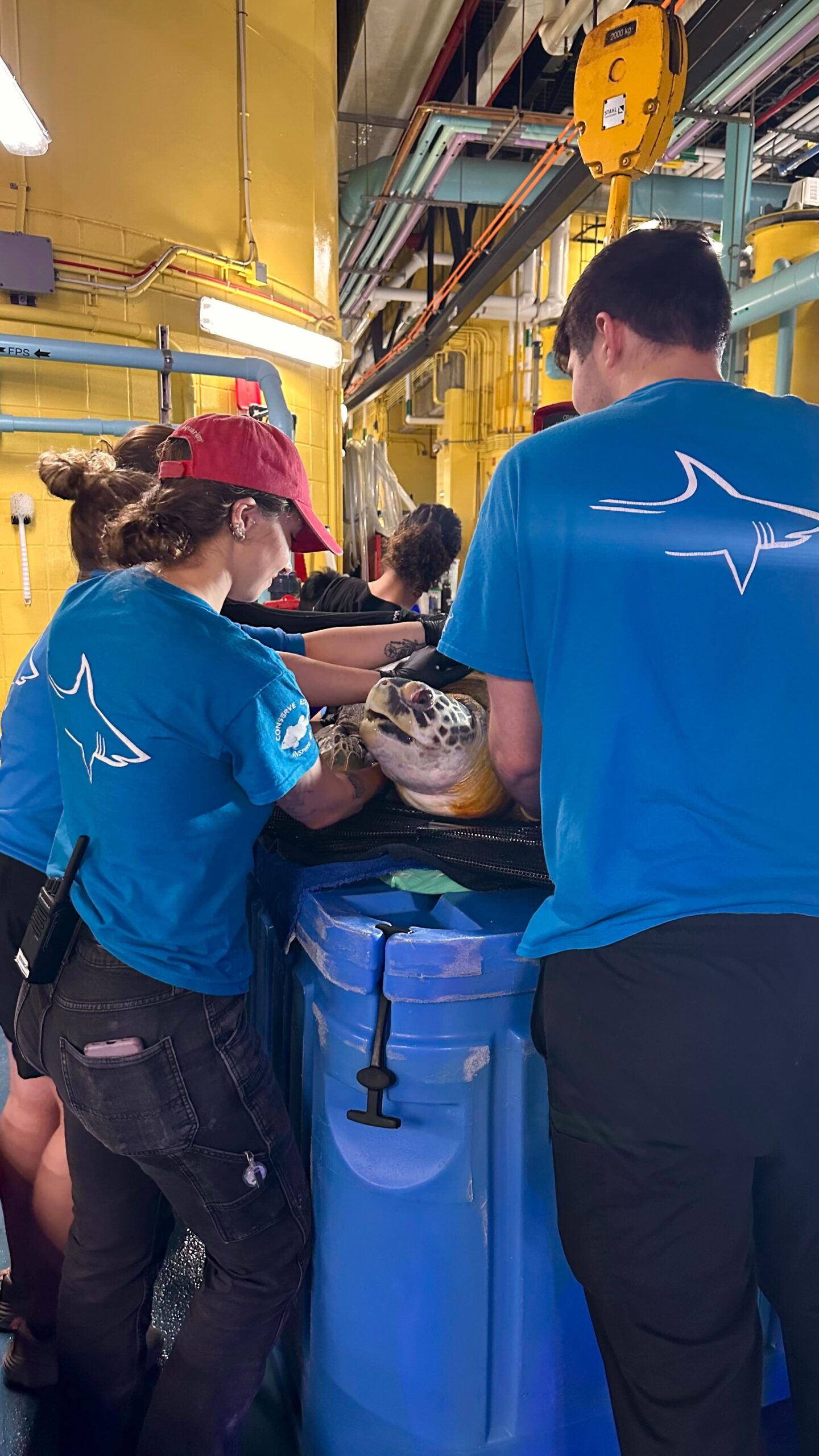
- Effective animal tracking and management at the aquarium
- Career opportunities in the husbandry department
- Insights from the lead aquarist, Caroline
- Conservation efforts during World Ocean Week
- Engaging programming through Ripley’s Aquarium special features
Aquariums play a crucial role in the conservation and education of marine life. As visitors wander through Ripley’s Aquarium of Canada, a complex symphony of efforts works behind the scenes to ensure every animal is tracked, cared for, and thriving. Effective animal management is vital to the success of such institutions, fostering a deeper understanding of marine ecosystems and promoting conservation.
At Ripley’s Aquarium, every animal is accounted for with precision. Our lead aquarist, Caroline, reveals some of the methods employed to achieve this. The foundation of effective tracking begins with comprehensive record-keeping. Each animal is tagged and recorded, capturing detailed information ranging from species and behavioral traits to specific dietary needs. This data is meticulously updated, ensuring a reliable database that provides dynamic insights into the health and status of the aquarium’s inhabitants.
Technology also plays a significant role in animal monitoring. Advanced software systems allow for the analysis of patterns and the detection of abnormalities. By leveraging smart technology, aquarists can implement preventive measures and respond swiftly to any issues that may arise. Routine health assessments and regular check-ins are standard practice, ensuring swift action in maintaining animal welfare.
For those interested in zoo management and wildlife conservation, a career in the husbandry department offers rewarding opportunities. Husbandry involves the daily care and management of animals, encompassing feeding, cleaning, and providing the necessary enrichment for physical and mental well-being. Aspiring aquarists can start with internships, which provide hands-on experience and build foundational knowledge.
Education in zoology, marine biology, or a related discipline is typically required for a permanent role. Teamwork, attention to detail, and a passion for conservation are key attributes for success. Caroline emphasizes the importance of ongoing education and training to adapt to developments in marine science and husbandry practices.
During World Ocean Week, Ripley’s Aquarium accentuates its conservation mission. Through special programming and engaging content, the aquarium raises awareness of marine conservation efforts. Caroline and her team offer behind-the-scenes glimpses into the daily life of aquarists, showcasing the extensive care that goes into preserving our ocean’s biodiversity.
This commitment to education extends through various mediums. Interactive exhibits and educational sessions aim to inspire guests to become proactive stewards of the environment. By fostering a connection between the public and marine life, the aquarium hopes to instill a sense of responsibility toward ocean conservation.
Caroline’s insights emphasize the critical link between aquarium operations and conservation initiatives. Maintaining species diversity within the aquarium replicates natural ecosystems, offering valuable data for research and breeding programs. The aquarium serves as a microcosm for understanding how species interact, adapt, and thrive under changing conditions. This information can aid in conservation strategies beyond the aquarium’s walls.
Ripley’s focus on special programming during World Ocean Week aims to amplify these messages. Videos and activities are designed to highlight the achievements and challenges faced by conservationists, encouraging broader public engagement. By immersing the audience in the intricate world of aquariums, Ripley’s strives to educate and motivate action toward preserving marine environments.
The work conducted by aquarists like Caroline plays a pivotal role in these efforts. Their dedication to animal welfare and passion for marine ecosystems drive successful aquarium operations. These professionals work tirelessly to ensure the health of every creature, contributing directly to global conservation goals.
In conclusion, tracking and managing animals within an aquarium is a complex yet rewarding endeavor. With a combination of technology, skilled personnel, and a commitment to conservation, aquariums like Ripley’s serve as both educational platforms and custodians of marine life. Caroline’s expertise provides an enlightening glimpse into the meticulous work that underpins successful aquarium management, inspiring the next generation of marine enthusiasts and conservationists.
*****
Source Description
Day 5 🦀
Do you wonder how our team keeps track of every animal at the aquarium? Or how to become a part of our husbandry department?
Come with us to talk to our lead aquarist, Caroline, as she answers some frequently asked questions!
Make a splash this World Ocean Week 🌊 Ripley’s Aquarium of Canada is hosting special programming and videos of our JAW-some team daily!
