
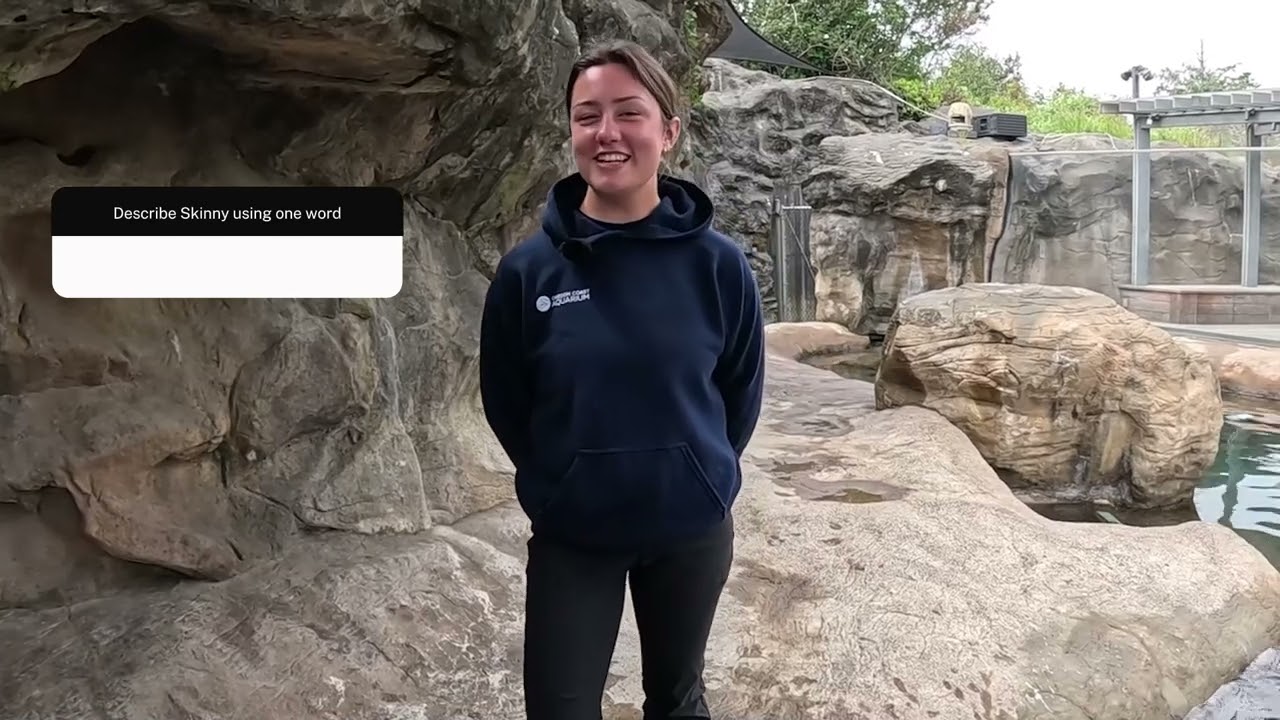
- Definition and Context of "Describe Skinny Using 1 Word"
- Zoological Insights on Animal Physiques
- Impact of Nutrition and Habitat on Wildlife
- Zoo Management Strategies for Animal Well-being
- Wildlife Conservation Efforts and Challenges
The phrase "Describe Skinny Using 1 Word" may seem straightforward, but its exploration invites us into a deeper understanding of description and biology. This discussion is not about defining an adjective but rather a journey through the principles that govern an animal’s physical condition, expressed through a single, impactful word.
To describe "skinny" is to consider health, nutrition, and anatomy, all vital in zoology and wildlife management. Animals in the wild or captivity reflect how their environments shape them. Understanding these dynamics is key to animal caretaker roles and broader conservation efforts.
In zoology, examining an animal’s physical condition provides insights into its health, behavior, and survivability. It’s a reflection of biology and ecosystem interaction. The term "skinny" typically denotes a lack of body fat or muscle mass, which can indicate malnutrition or underlying health issues. In studying various species, one notes that what might be "skinny" in one context could be "optimal" in another. For predators reliant on speed, a lean physique is a survival asset. However, in other species, it might signal distress.
Nutrition plays a pivotal role in wildlife health. A balanced diet ensures energy, growth, and reproduction for animals. In the wild, finding food can be challenging, requiring adaptations like seasonal fat storage. In captivity, zoo nutritionists work meticulously to provide diets that mimic natural food sources, respecting each species’ unique requirements.
Habitat is another critical factor influencing animal physique. An animal’s environment affects its movement, diet, and social interactions. In the wild, vast territories might enable a predator to stay lean and agile. Conversely, confined spaces can lead to stress and poor health, necessitating expert design solutions in zoos to simulate natural conditions, encouraging natural behavior, and maintaining well-being.
In zoo management, maintaining an animal’s physical health is paramount. This undertakes a strategic balance of diet control, enrichment activities, and regular health checks. For example, a big cat’s fitness may involve interactive feeding to promote hunting instincts, while primates might benefit from puzzle feeders to stimulate their intelligence and physical agility.
This understanding extends into wildlife conservation. Protecting natural habitats is essential to maintain the natural balance. Conservationists face challenges like habitat destruction and climate change, which disrupt ecosystems and affect animal health. Conservation programs often focus on sustainable environments, protecting species from becoming "skinny" in the context of a struggling population and ensuring their survival for future generations.
In discussing "Describe Skinny Using 1 Word," we recognize the complexity of animal health as a subject of keen interest. From the intricate details of zoological research to the hands-on practices of zoo management, each aspect is vitally connected to the broader goals of wildlife conservation. It’s a reminder that a single word can ignite a deep and multifaceted conversation about biology, ecology, and our responsibilities toward wildlife preservation.
*****
Source Description
We asked our mammalogists to describe Skinny using one word…the results were….interesting.
We’re celebrating Skinny’s 50th birthday next Tuesday, June 3. You’re invited to join the pinniped party, and if you can’t make it, consider sponsoring Skinny! Those who donate $50 or more by June 1 will have their name featured in a commemorative birthday highlights video, which we’ll release a few days after the festivities.
🌊aquarium.org/half-century-seal
#HarborSeals #AnimalCare #Skinnyis50 #WorldsOldest #SkinnyTheHarborSeal #OregonCoastAquarium
