
- Understanding the Impacts of Weather on Zoo Operations
- The Importance of Safety and Maintenance in Zoos
- The Role of Animal Exhibits in Public Education
- Wildlife Adaptations to Cold Weather
- Engaging with the Community through Social Media
Weather significantly influences zoo operations and visitor access. When adverse conditions occur, such as icy roads or severe winter weather, zoos sometimes implement a delayed opening policy. This adjustment, such as our own delayed opening at noon tomorrow, January 11, is a calculated measure to guarantee safety for both visitors and staff. Adverse weather affects not only accessibility but also animal safety and welfare, demanding proactive management.
Key to ensuring this safety is the assessment and maintenance of the zoo grounds. Staff members work diligently to remove ice and snow from pathways, ensuring they remain accessible for guests. This labor entails not only de-icing paths but also verifying that exhibits are secure and that animals can comfortably navigate their enclosures. This vigilance is crucial, as slippery surfaces can lead to injuries for both animals and visitors. The team’s hard work in these tough conditions highlights the commitment to creating a safe environment.
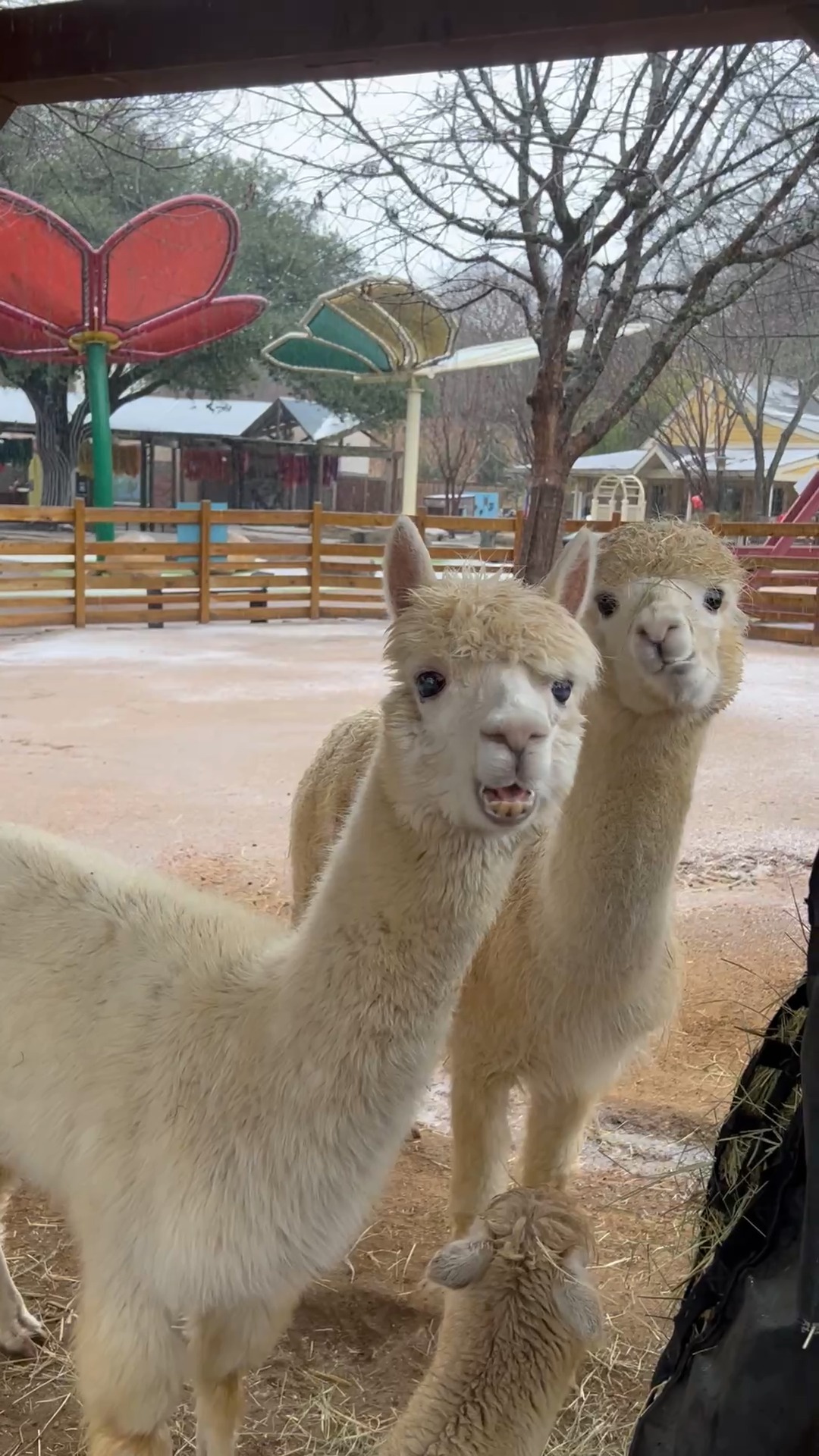
As we navigate winter conditions, educational opportunities arise in unexpected ways. A recently shared video that showcases our alpacas enjoying the cold weather serves as an excellent reminder of animals’ adaptations to their habitats. While some species may require heat lamps and sheltered areas, others thrive in chillier climates. This diversity of animal needs and behaviors provides an opportunity to educate visitors about adaptability in wildlife and the importance of understanding species-specific requirements.
Animal exhibits serve as vital tools for public education. By observing animals like alpacas in a winter setting, visitors can better understand how wildlife interacts with changing climates. Such insights are not only entertaining but also encourage a greater appreciation for animal behavior and natural ecology. Through direct engagement, zoos can emphasize the necessity of wildlife conservation, fostering a sense of responsibility toward the environment.
Wintertime adaption goes beyond animal exhibits. For instance, many species exhibit physiological changes to help them cope with colder conditions. Some mammals develop thicker fur coats, while birds may grow extra feathers for insulation. In particular, animals that evolved in colder climates exhibit unique strategies for survival, such as hibernation or altered feeding patterns. This biological plasticity is important for understanding species’ resilience in fluctuating ecosystems.
Social media plays an increasing role in fostering community engagement, particularly during adverse weather situations. Using platforms like Instagram, zoos can share updates, including those related to delayed openings. By highlighting animal behaviors during winter, institutions spark interest and encourage visitors to appreciate wildlife. Videos and photos act as dynamic teaching tools that enhance public awareness of animal welfare and conservation efforts.
In addition to promoting zoo experiences, social media also facilitates a dialogue between zoos and their communities. Posting entertaining content can galvanize public interest and support while providing an educational layer about conservation practices. As institutions face challenges, a transparent approach helps build trust and fosters a loyal visitor base. Engaging narratives surrounding animals can create lasting connections and remind people of their responsibility to protect wildlife.
Summing up, the complexities of managing a zoo during winter conditions require careful planning and responsive strategies. A delayed opening at noon tomorrow is a reflection of this commitment to visitor safety and animal welfare. The collaborative efforts of the staff demonstrate strong dedication, emphasizing the importance of these practices. Furthermore, showcasing our alpacas enjoying the winter serves both an educational and an emotional purpose, grounding visitors in the realities of wildlife habitation.
The need for constant maintenance in zoological facilities is paramount. This responsibility goes beyond preventing slips and falls; it extends to ensuring that animals remain comfortable, healthy, and secure during adverse weather. Staff members engage in systematic checks of animal habitats, preparing for any necessary adjustments. These efforts often encompass not only physical ground conditions but also animal welfare considerations, which are critical as temperatures fluctuate.
Animals possess a variety of strategies that allow them to adapt to cold weather. Some local fauna are known for their capability to thrive through freezing temperatures, demonstrating remarkable resilience. For example, certain species of goats and sheep grow thicker wool in winter months. This change allows them to retain body heat effectively. These adaptive behaviors provide further learning opportunities for visiting individuals and underscore the need for species-specific care in zoos.
Moreover, interaction with animals during colder months can draw attention to important conservation issues. As many habitats increasingly face climate change, particularly in the context of rising temperatures, understanding how species adapt becomes increasingly relevant. Educating the public about these changes helps foster an appreciation for wildlife’s vulnerabilities. Visitors leave not only entertained but also informed about the interplay between climate and animal ecology.
Engagement through social media does not stop at sharing winter stories or operational updates. It allows zoos to position themselves as key educational resources. Through active communication, the message of conservation and animal welfare reaches a wider audience. This kind of engagement is vital in today’s landscape, where digital interactions shape public perceptions of wildlife conservation.
Collaboration across teams ensures that all aspects of zoo operations are seamless. The focus should remain on animal care while also providing visitors with an enjoyable experience. This dual approach fosters understanding and enthusiasm about wildlife, making the work of zoological institutions more impactful. Moreover, these interactions can inspire future generations to take action towards conservation goals.
In recent years, the need for environmental education has gained traction. Organizations and institutions recognize that they carry a responsibility to inform the public about ecological balance and species preservation. Delayed openings offer more than a temporary operational change; they serve as learning moments. By transforming challenges into educational content, zoos can influence the next wave of conservation-minded individuals.
The relationship between humanity and wildlife continues to evolve. Decisions regarding animal care and habitat maintenance are critical as we face unknown environmental issues. As we adjust our operations to encompass weather patterns, we must also prioritize educating our visitors and fostering a sense of stewardship. This responsibility rests on both zoo management and visitor engagement, creating a cyclical relationship that benefits all parties involved.
It is vital for visitors to appreciate the dedication that goes into maintaining their experience. Each delayed opening or weather-related adjustment is based on an encompassing strategy to safeguard the well-being of both animals and guests. As new challenges emerge, finding effective and proactive solutions remains essential. This commitment ensures that zoos can thrive and continue to serve as bastions of education, conservation, and enjoyment for all who visit.
Animal adaptations in wintertime provide an incredible backdrop for learning and engagement. For instance, watching our alpacas in a snowy environment illustrates how different species have evolved to cope with temperature extremes. The ability to witness these adaptations encourages visitors to reflect upon the interconnectivity of ecosystems. Such insights can lead to increased public interest in wildlife conservation initiatives.
Finally, social media serves as a powerful tool for fostering connections and promoting understanding. By sharing the stories of animals effectively, zoos can enhance public knowledge and appreciation for wildlife. These engagements facilitate lasting relationships, ensuring that the mission of conservation resonates well beyond the zoo grounds. This interplay creates a robust network of informed individuals who are committed to protecting the natural world.
Each operational decision, such as the delayed opening at noon tomorrow, reinforces the zoo’s dedication to safety and animal welfare. This approach lays the foundation for an informed and engaged public, ready to support conservation endeavors. Every interaction nurtures curiosity, frames understanding, and cultivates a deeper respect for the remarkable diversity of life on Earth.
*****
Source Description
DELAYED OPENING: We will have a delayed opening at NOON tomorrow, January 11. Our teams are working hard to ensure our grounds are safe and cleared of icy conditions for you to come visit. In the meantime, enjoy this video of our alpacas embracing the Texas winter and enjoying some chilly outdoor time! ❄️
📸: Jorge G.
