
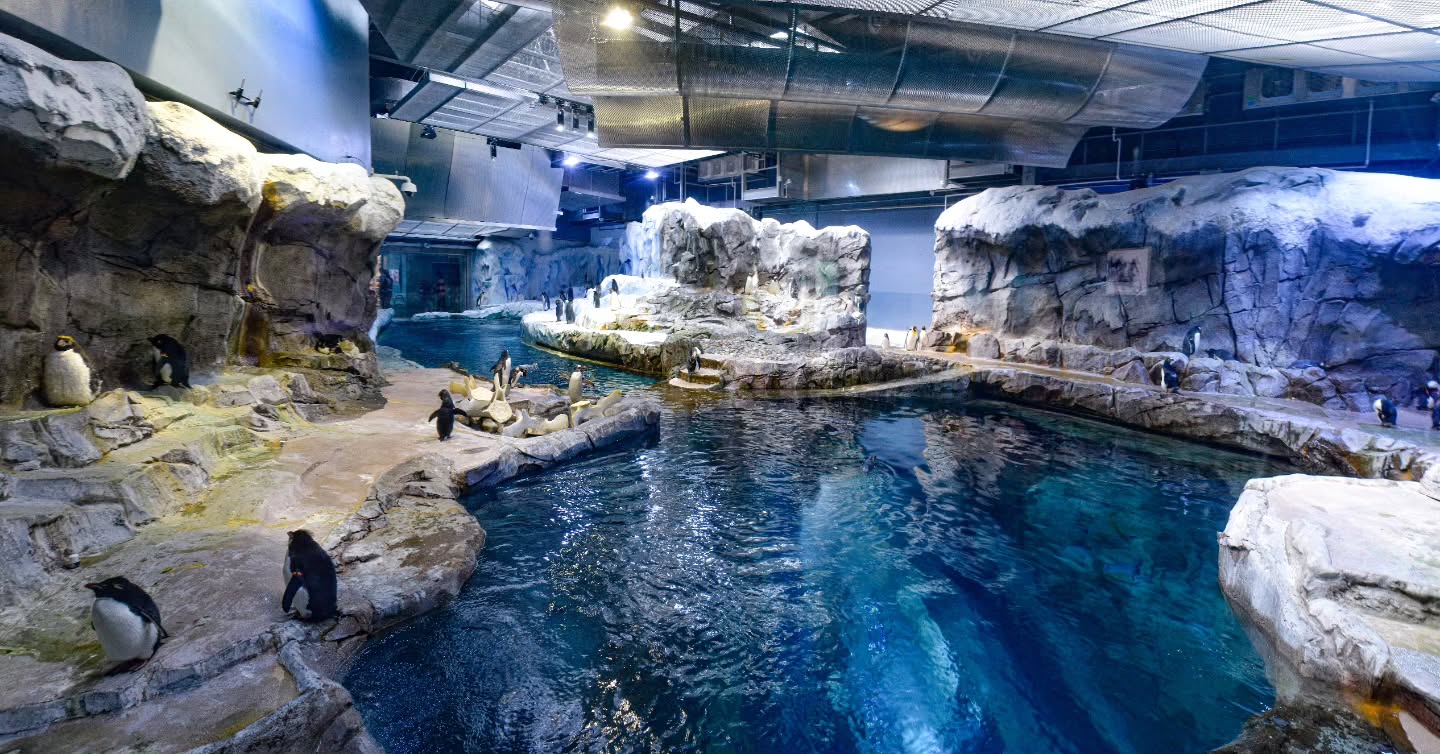
- Overview of the Detroit Zoo’s Penguin Conservation Center
- Penguins Species at the Center: King, Gentoo, Rockhopper, Macaroni, and Chinstrap
- Conservation Efforts and Its Importance
- The Role of Education and Public Engagement
- Challenges and Future Directions for Penguin Conservation
The Detroit Zoo’s Penguin Conservation Center stands as a remarkable facility dedicated to the care and protection of several penguin species. With a focus on King, Gentoo, Rockhopper, Macaroni, and Chinstrap penguins, this center not only emphasizes animal welfare but also fosters conservation awareness and education. Unique in architecture and function, it spans over 33,000 square feet, providing an environment that mimics the natural habitats of its residents, thereby prioritizing the well-being of these birds.
Each species housed in the center contributes to a rich tapestry of avian diversity. The King Penguin, recognized for its striking orange and yellow markings, is the second-largest penguin species. Gentoo Penguins are known for their characteristic white stripe across their heads. Rockhopper Penguins, with their spiky feathers, showcase adaptability to rugged environments. Macaroni Penguins, distinguished by their vibrant crest of yellow feathers, are one of the most abundant penguin species, while Chinstrap Penguins are famous for the thin black line that resembles a chinstrap. Such diversity within the center’s walls provides a compelling platform for public education about these fascinating birds.
Conservation efforts at the Detroit Zoo extend beyond the confines of the center. The facility engages in collaborative programs with other institutions to contribute to species recovery and habitat preservation. This synergistic approach is vital in addressing the threats penguins face in the wild. Overfishing, climate change, and habitat loss are among the critical factors endangering populations. By participating in research initiatives and breeding programs, the Detroit Zoo plays a crucial role in the conservation landscape.
Education and public engagement stand as crucial pillars of the Penguin Conservation Center’s mission. The facility serves as a vital resource for visitors, offering educational displays and programs that elevate awareness about penguin species and their habitats. Interactive exhibits and live demonstrations cultivate a greater understanding of the ecological challenges these birds face. Educators at the center target diverse audiences, emphasizing the importance of conservation efforts and inspiring actionable steps among visitors.
Yet, the challenges ahead are substantial. As global temperature rises and oceanic ecosystems face unprecedented shifts, many penguin species find themselves under pressure. The Detroit Zoo’s Conservation Center actively monitors these changes, adapting its strategies to ensure the health and sustainability of its resident penguins. Continued research and collaboration with conservation organizations will be pivotal in the coming years. Each decision made today has lasting implications on the future of both the penguins in captivity and their wild counterparts.
The innovative design of the Detroit Zoo’s Penguin Conservation Center is not just a feat of architecture; it incorporates the latest scientific knowledge about the physical needs of penguins. The facility features a 326,000-gallon aquatic area, allowing these birds to swim and engage freely — crucial for species like the King and Gentoo Penguins, which rely on swimming for their physical and mental well-being. An impressive 25-foot deep pool provides an opportunity for diving, while the surrounding land areas mimic their natural habitats with varied terrain, creating a more stimulating environment.
Water quality management is also a significant aspect of animal care. The center employs advanced filtration systems to manage its extensive aquatic environments effectively. Maintaining optimal water conditions is integral to ensuring the health of the penguins as they are susceptible to various pathogens in non-ideal conditions. Routine health checks and partnerships with veterinary specialists allow for proactive health management of the animals, highlighting a commitment to the highest standards of animal care.
Research efforts at the center are geared towards understanding penguin behavior, breeding patterns, and health. By using advanced tracking technologies, researchers can observe daily habits and interactions. This data is valuable not only for the animals’ well-being but also contributes to broader conservation research efforts, contributing insights applicable in natural habitats. The collaborative research undertaken often extends to other institutions, making substantive contributions to the global understanding of these species.
The interaction between human visitors and the penguins plays a crucial role in raising awareness. Daily feedings offer an opportunity for education, where zookeepers explain dietary requirements and the feeding habits of different species. Guests can appreciate the individuality of each penguin, as keepers often share their names and distinctive characteristics, reinforcing the notion that every animal matters within the ecosystem. Providing a unique space for visitors to connect with wildlife fosters empathy and encourages conservation actions beyond the zoo.
The Detroit Zoo’s Penguin Conservation Center is an active participant in the Association of Zoos and Aquariums (AZA) Species Survival Plan (SSP). This program facilitates genetic diversity among captive populations, allowing for coordinated breeding efforts across various institutions. Such planning is crucial for endangered species, as it sets a foundation for sustainable future populations. The data gathered from these programs also informs conservation strategies in the wild, making the center a key contributor to global conservation initiatives.
As climate change significantly impacts marine ecosystems, penguins are increasingly affected by shifting food availability and rising sea levels. The center addresses many of these issues through its educational initiatives, illustrating how individual actions can positively or negatively impact penguin habitats. Programs tailored for all ages emphasize the significance of sustainability practices, encouraging visitors to adopt environmentally-friendly habits.
Public engagement does not end with a visit to the center. The Detroit Zoo actively promotes community involvement through volunteer opportunities and collaborative projects. Individuals passionate about wildlife conservation find avenues to contribute, whether through beach clean-ups or educational workshops. This outreach fosters a sense of community ownership regarding conservation issues, reinforcing the notion that everyone has a role to play in protecting biodiversity.
Future directions for the Penguin Conservation Center will likely involve further research initiatives focusing on the effects of climate change on penguin populations. As scientists uncover more about the specific needs and behaviors of each species, proactive measures can be taken to enhance their survival prospects. Strengthening partnerships with conservation organizations and research institutions will be vital in these efforts.
Monitoring wild populations also helps to gauge the success of conservation strategies. Collaborations with organizations in penguin habitats can enhance understanding of ecological changes, ensuring that conservation efforts are effectively targeted. When the needs of penguins in wild habitats align with those in captivity, more effective breeding and release programs can be developed, leading to a holistic approach to their preservation.
As we look to the future, the importance of education and conservation at facilities like the Detroit Zoo’s Penguin Conservation Center cannot be overstated. They not only safeguard the future of penguin species through breeding and care but also inspire the next generation of conservationists. The collective effort to protect these extraordinary birds enhances our understanding of ecosystems at risk, promoting environmental stewardship across communities. Through informed actions, enhanced awareness, and dedicated research, the hope remains that penguin populations can thrive both in managed environments and their natural habitats.
*****
Source Description
Detroit Zoo’s Penguin Conservation Center
(King Penguin, Gentoo Penguin, Rockhopper Penguin, Macaroni Penguin, Chinstrap Penguin)
