
- Importance of ocean conservation and its impact on ecosystems and human life
- Role of Fundación Temaikèn in protecting marine biodiversity
- Specific initiatives and research projects on marine species
- Collaborative efforts within the ocean conservation community
- Educational outreach and the significance of public engagement with ocean health
The oceans cover 71% of the Earth’s surface, playing a critical role in regulating climate, supporting biodiversity, and providing resources for human survival. Their health directly influences the planet’s ecological balance and, ultimately, human well-being. As stewards of the environment, the responsibility lies on all of us to protect these vast waters. Día Mundial de los Océanos, celebrated annually, reminds us of this duty. It emphasizes a collective commitment to sustaining what supports us—our oceans.
Fundación Temaikèn has dedicated 25 years to the vital task of marine conservation. The foundation not only raises awareness about marine ecosystems but actively engages in numerous initiatives aimed at preserving biodiversity. The organization believes that protecting oceans is essential for the future of humankind. Every action contributes to the larger mission of safeguarding marine environments.
One of the core research focus areas at Fundación Temaikèn is the Magellanic penguin located in Santa Cruz. The penguin population serves as an important indicator of ocean health. By studying their behaviors, reproductive patterns, and habitat preferences, researchers can gain insights into the broader marine ecosystem. Understanding the factors affecting their colonies—such as climate change, pollution, and fishing practices—helps in forming effective conservation strategies. These insights are pivotal in global conservation efforts, as penguins are not only charismatic species but also crucial for ecosystem balance.
Another significant program at Fundación Temaikèn involves the rescue and rehabilitation of marine mammals, specifically sea lions and elephant seals. Incidents of marine mammals being stranded or deviated from their natural habitats often stem from pollution, entanglement in fishing gear, or changes in food availability. The foundation’s veterinary team works diligently to rehabilitate these animals, providing both medical care and a safe environment for their recovery. By studying the health and behaviors of these species post-rehabilitation, researchers can develop better strategies for wildlife management and conservation.
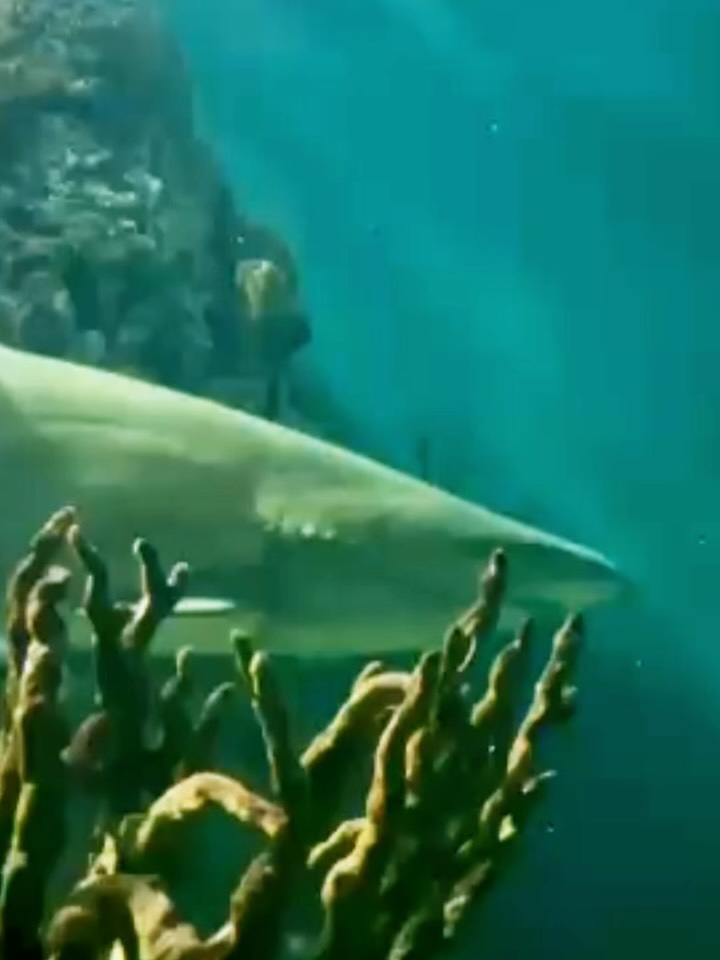
Shark species, often misunderstood and unfairly portrayed, also receive focused attention from Fundación Temaikèn. The organization studies the hormonal cycles of the leopard shark, a lesser-known species that plays a pivotal role in marine food webs. Research on their reproductive biology helps understand population dynamics, which is essential for creating management plans that aim to conserve not just the species but also the habitats they inhabit. Sharks often suffer from overfishing and habitat loss; understanding their biology can lead to better protection measures.
In addition to these research initiatives, Fundación Temaikèn has developed programs focused on the reproduction of rays and skates in their aquarium. The knowledge gained from these projects adds to the scientific community’s understanding of elasmobranch biology and ecology. By studying these species in a controlled environment, researchers can examine growth patterns, breeding behavior, and environmental adaptations. This knowledge can directly contribute to conservation practices in the wild.
A vital component of both research and conservation efforts is the professional care provided to animals under human oversight. Fundación Temaikèn emphasizes animal welfare by implementing best practices in veterinary care, nutrition, and enrichment strategies. This rigorous approach not only benefits the animals in captivity but also enhances educational experiences for visitors. The aquarium serves as an educational platform, inviting thousands of individuals to learn about marine ecosystems and the significance of protecting them. By engaging the public, Fundación Temaikèn promotes stewardship that extends beyond the aquarium’s walls.
Collaboration is another pillar of ocean conservation. Fundación Temaikèn is proud to be part of the @fmarpatagonico network, which comprises various organizations committed to marine conservation in Patagonia. This collaborative effort fosters information sharing, resource pooling, and joint research initiatives, amplifying the impact of local conservation strategies. By working together, organizations can address large-scale challenges faced by marine ecosystems more effectively. Networks like this create synergies that lead to innovative solutions to pressing environmental issues.
Public engagement is crucial for the success of conservation efforts. Educational outreach programs led by Fundación Temaikèn play an essential role in raising awareness about ocean health and the importance of marine conservation. Workshops, school programs, and community events invite people of all ages to connect with their marine environments. These programs inform the public about the threats faced by oceans and encourage them to take action. Mobilizing local communities is essential for instilling a sense of responsibility toward ocean stewardship.
Attendance at Día Mundial de los Océanos events highlights the urgent need for collective action. Local citizens, policymakers, and scientists come together to discuss issues such as overfishing, plastic pollution, and habitat destruction. This unified front makes clear that everyone has a role to play in protecting ocean resources. By promoting advocacy, activism, and sustainable practices, the initiatives of various organizations help outline pathways for effective change.
The imperative of ocean conservation grows ever greater as human activities increasingly challenge marine ecosystems. Pollution, climate change, and unsustainable fishing practices pose profound risks to marine life. Research indicates significant declines in biodiversity, with many species facing extinction. The sustainability of fisheries and the health of marine habitats are at risk, which will ultimately affect food security for millions reliant on ocean resources.
In response to these changes, organizations like Fundación Temaikèn rigorously undertake research while promoting sustainable practices. They adopt strategies that not only seek to understand the impacts of human activity but also actively combat these negative influences. Strategies include advocating for sustainable fishing practices that permit fish populations to regenerate and promoting the use of biodegradable materials to reduce ocean pollution.
Fundación Temaikèn’s work exemplifies a holistic approach to ocean conservation. It recognizes that the health of marine ecosystems is intertwined with human health and well-being. Comprehensive science, community education, and collaborative efforts form the backbone of effective conservation strategies.
As we observe Día Mundial de los Océanos, it is essential to remember the interconnectedness of all life forms. Habitats such as coral reefs, mangroves, and seagrass beds serve not only as critical ecosystems but also as vital resources for coastal communities. Protecting these environments is crucial for ensuring the survival of countless species that depend on them, including human populations.
Current challenges require innovative solutions and sustained efforts on multiple fronts. Fundraising initiatives, policy advocacy, and increased awareness of issues affecting oceans must remain at the forefront of conservation efforts. Scientific research must continue to inform these initiatives, providing necessary insights that guide effective policies.
In essence, Día Mundial de los Océanos serves as a reminder of our shared obligation to nurture the oceans that sustain us. Initiatives like those from Fundación Temaikèn exemplify what can be achieved through dedicated conservation work and community engagement. With every action—be it research, rescue, or education—we contribute to the well-being of oceans and ourselves, ensuring that future generations inherit a healthy, thriving marine environment. Protecting our oceans is, ultimately, about protecting our future.
*****
Source Description
🌊 Día Mundial de los Océanos: Sostener lo que nos sostiene
Hace 25 años, en Fundación Temaikèn protegemos lo que nos protege: los océanos.
Desde entonces, cada acción suma:
🐧 Investigamos al pingüino de Magallanes en Santa Cruz, para entender y cuidar sus colonias.
🦭 Rescatamos y rehabilitamos lobos y elefantes marinos varados o desviados de su hábitat.
🦈 Estudiamos el ciclo hormonal del tiburón gatopardo, una especie poco conocida y clave para el ecosistema.
🐟 Reproducimos rayas y chuchos en el acuario, conociendo más sobre estas especies.
Llevamos adelante las mejores prácticas en sostenimiento de animales bajo cuidado humano profesional, en uno de los acuarios más grandes de Sudamérica. En el que invitamos a miles de personas a conocer y proteger este gran tesoro azul.
Además, tenemos el honor de ser parte de la red más importante de organizaciones que trabajan por el mar, el @fmarpatagonico
Porque cuidar los océanos es cuidar nuestro futuro. 💙
