
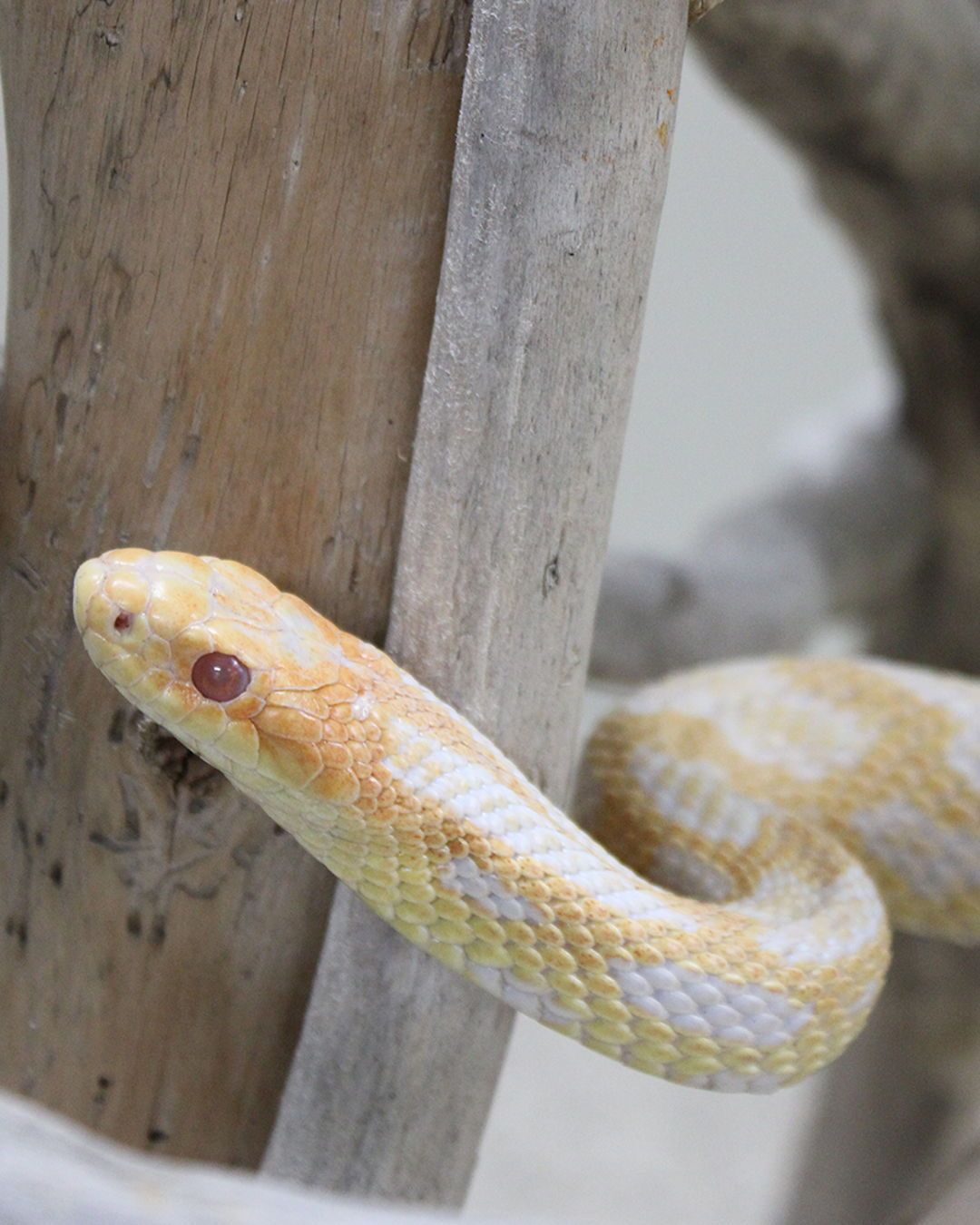
- Albino reptiles, like their mammalian counterparts, lack the pigment melanin.
- The appearance of albino reptiles is influenced by carotenoids, which can produce red and orange hues.
- The biological basis for albinism in reptiles.
- The impact of melanin and carotenoids on the ecological and behavioral aspects of reptiles.
- Conservation and educational efforts surrounding albino reptiles in captivity and the wild.
Albino reptiles, much like albino mammals, cannot synthesize melanin, the pigment responsible for dark coloration in animal tissues. This lack of melanin leads to a strikingly pale appearance, setting them apart from their normally pigmented relatives. Each species is renowned for its unique coloration, which often serves as a primary mechanism for camouflage, mate attraction, and temperature regulation. In the case of albino individuals, their atypical coloration can hinder these essential functions in the wild.
However, some reptiles possess the ability to produce carotenoids, pigments that impart red, orange, and yellow hues. While albino reptiles cannot create melanin, they can still exhibit vibrant colors derived from carotenoids. For instance, Maize, the albino fox snake, showcases beautiful shades of orange and yellow. This diversity in coloration not only highlights an interesting physiological adaptation but also plays a significant role in how these animals interact with their environment.
Understanding the biological underpinnings of albinism necessitates a closer look at the genetic and environmental factors involved. Albinism results from mutations in genes responsible for the production of melanin. One of the primary genes involved is the tyrosinase gene, which plays an essential role in the melanin synthesis pathway. When this gene is mutated, the result is a significant reduction or complete absence of melanin.
While albino reptiles may lack melanin, they can utilize carotenoids as a potential source of color. Carotenoids are organic pigments found in many plants and can be ingested through the reptile’s diet. These pigments not only confer color but could also offer additional health benefits, such as acting as antioxidants. This nutritional aspect is vital, as it affects the overall vitality of the reptiles, influencing their reproductive success and survival in natural habitats.
The absence of melanin and the unique ability to accumulate carotenoids can affect the behavior of albino reptiles as well. In natural environments, coloration plays a pivotal role in habitat adaptation. For example, darker reptiles are usually better camouflaged in their typical surroundings, providing them with protection from predators. In contrast, albino reptiles, with their pale bodies, may stand out, increasing their visibility to potential threats. This disadvantage can impact their survival rates in the wild, leading to challenges in finding food and mates.
The variation in coloration between melanin-producing and carotenoid-accumulating reptiles also illustrates a fascinating aspect of animal physiology. Some reptiles adjust their coloration based on environmental factors, a phenomenon known as phenotypic plasticity. This adaptability can be crucial for reptiles that experience shifting habitats or climate conditions, as the ability to adjust coloration might optimize their chances for survival.
Wildlife conservation efforts are essential, especially regarding unique cases like albino reptiles. These animals are often sought after by collectors, which can lead to stress and exploitation. Educators and conservationists emphasize the importance of understanding these creatures’ biology to appreciate their place in the ecosystem better. Captive breeding programs are increasingly vital for both preserving genetic diversity and fostering awareness about the significance of conserving reptiles and their habitats.
Zoos and wildlife centers, such as the Education & Conservation Center, play a critical role in educating the public about reptiles and the importance of conservation. Programs that introduce visitors to animals like Maize help foster appreciation and understanding of the complexities surrounding albinism and coloration in reptiles. Education is a powerful tool for promoting wildlife conservation.
In captivity, albino reptiles like Maize can serve as ambassadors, highlighting the need for conservation efforts. Awareness campaigns that educate the public about the unique characteristics of albino reptiles contribute to reducing fear and misconceptions surrounding them. Additionally, these initiatives can inspire conservation actions, encouraging individuals to support habitats where all reptiles can thrive.
Overall, the study of albino reptiles provides valuable insight into the interconnectedness of genetics, ecology, and conservation. By examining the impacts of melanin and carotenoids, researchers can better understand the evolutionary adaptations of these species. This information is crucial for establishing effective conservation strategies that promote biodiversity.
The fascination with albino reptiles extends into the realm of research and education. Biologists are keen to continue exploring the genetic and biochemical mechanisms related to pigmentation. Understanding these mechanisms may illuminate broader ecological implications, including how coloration affects predator-prey dynamics and reproductive strategies.
It is important to celebrate the diversity in reptile coloration, not just in albino individuals but across species. Different patterns and hues serve as a source of wonder and a reminder of the natural world’s complexity. By appreciating these features, we can advocate for species that may otherwise go unnoticed or underappreciated.
In summary, albino reptiles provide a window into the intricate biological processes that govern coloration and adaptation in the animal kingdom. Their extraordinary attributes spark curiosity and prompt discussions about genetics, environment, and conservation. With educational initiatives and increased awareness, we can better support the diverse range of reptile species and the ecosystems they inhabit. Visit the Education & Conservation Center soon to meet Maize, our albino fox snake, and engage with the fascinating world of reptiles. Through our collective efforts, we can foster a deeper understanding of the important role all reptiles play in maintaining ecological balance.
*****
Source Description
DYK: Like albino mammals, albino reptiles can’t produce the color pigment melanin, so their bodies are pale and lack much of the ‘typical’ coloration expected for their species. But some reptiles’ colors can come from carotenoids, which are red-orange pigments, and albino reptiles CAN produce carotenoids. This is why Maize, our albino fox snake, has orange and yellow hues. 🧡
Come see him in the Education & Conservation Center soon!
