
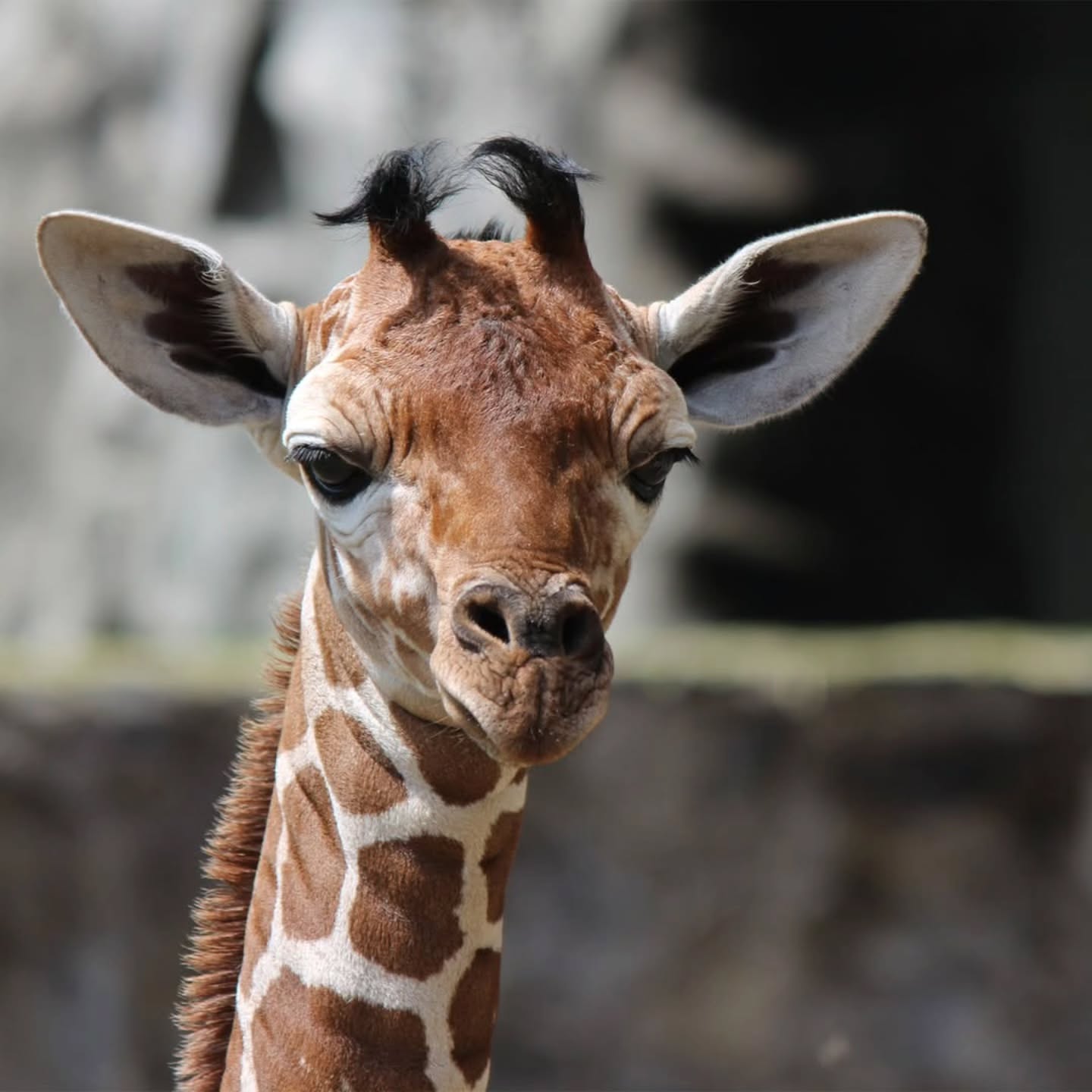
- Giraffe coat patterns and their uniqueness, akin to human fingerprints
- The giraffe’s extraordinary tongue and its functional adaptation
- The role of giraffes in their ecosystem and their interaction with the environment
- Conservation efforts for giraffe populations and threats they face
- The influence of zoos like Zoológico Guadalajara in giraffe conservation and education
Giraffe coat patterns and their uniqueness, akin to human fingerprints
Giraffes are renowned for their towering height, but one of their most fascinating features is their coat. Just as humans have fingerprints, each giraffe sports a distinct coat pattern. These unique markings are not just for show; they play a crucial role in camouflage and identification. The variation in the coat pattern arises from genetic differences, serving as a personal identifier much like human fingerprints, ensuring that no two giraffes are exactly the same. Researchers leverage these patterns to track and study populations in the wild, allowing scientists to understand social structures, breeding habits, and migratory patterns.
The giraffe’s extraordinary tongue and its functional adaptation
A giraffe’s tongue can measure up to 50 cm, a remarkable adaptation for survival. This lengthy appendage is both prehensile and tough, perfect for grasping and stripping leaves from tall trees, primarily acacias. The tongue’s dark coloration protects it from sunburn as it spends hours each day plucking foliage. This adaptation extends to its dexterous design, enabling giraffes to skillfully circumvent thorns and even clean their ears. The tongue’s versatility exemplifies how giraffes have evolved to capitalize on their niche in the ecosystem.
The role of giraffes in their ecosystem and their interaction with the environment
Giraffes are more than just iconic wonders of the animal kingdom; they play a vital role in their ecosystem. By feeding on the uppermost leaves, they assist in pruning trees, which promotes overall plant health. This feeding behavior influences plant and tree diversity, impacting the entire habitat. Additionally, giraffes provide important ecological services by dispersing seeds through their droppings, aiding in plant reproduction and contributing to the biodiversity of their environment. Their interactions with other species, including birds and smaller mammals, create a dynamic balance that sustains the savanna ecosystem.
Conservation efforts for giraffe populations and threats they face
Giraffes face numerous threats that have diminished their populations, making conservation a pressing priority. Habitat loss, poaching, and human-wildlife conflict are significant challenges. Conservationists are working tirelessly to counter these threats through habitat restoration, anti-poaching patrols, and community engagement. Protected areas and national parks provide sanctuaries for giraffes, while cross-border collaborations help preserve migratory routes. Efforts to raise awareness about the plight of giraffes aim to mobilize global support, promoting policies that safeguard these magnificent animals for future generations.
The influence of zoos like Zoológico Guadalajara in giraffe conservation and education
Zoos, such as Zoológico Guadalajara, play a pivotal role in the conservation and education about giraffes. They serve as hubs for breeding programs designed to bolster genetic diversity and ensure the species’ long-term survival. Educational initiatives in zoos foster a deeper understanding and appreciation for giraffes, inspiring visitors to contribute to conservation efforts. By providing interactive exhibits and firsthand experiences, zoos bridge the gap between urban populations and the wilderness, fostering a connection that encourages ecological responsibility and stewardship.
Through the intricate patterns on their coats and their impressive tongues, giraffes showcase nature’s ingenuity. Understanding their role in the ecosystem, along with the efforts to protect them, highlights the importance of preserving biodiversity. Institutions like Zoológico Guadalajara are instrumental in these endeavors, not only sheltering and studying giraffes but also educating the public about their significance. As we continue to learn about these gentle giants, such knowledge propels us toward sustainable actions that ensure their survival in the wild.
*****
Source Description
🍃 ¿Sabías que…? Las jirafas tienen patrones únicos, como nuestras huellas dactilares. 🦒🦒🍂
Su lengua mide hasta 50 cm, perfecta para alcanzar las hojas más altas ¡e incluso limpiar sus orejas! 📏👂
¡Ven a conocer más de ellas en tu ZOOLOGICO GUADALAJARA!
