
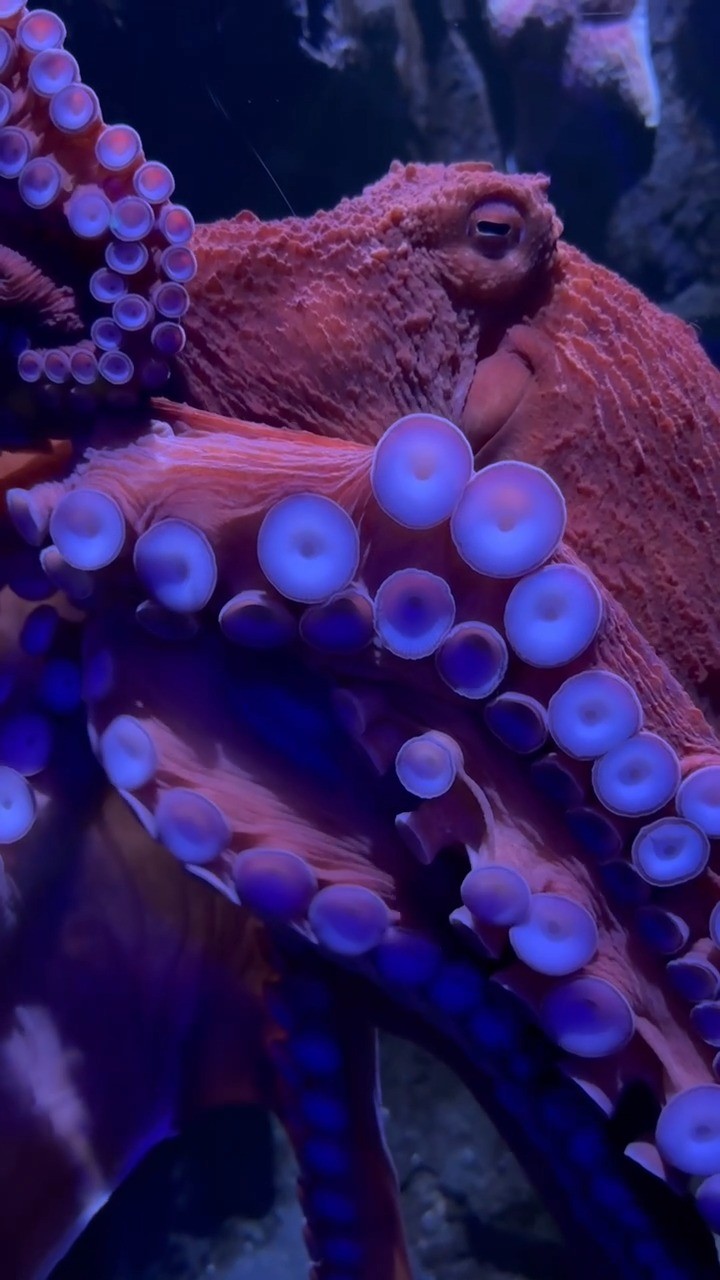
- Octopuses possess up to 2,000 suction cups, each with the ability to taste and touch.
- The anatomical structure of octopus arms and their suction cups is highly specialized.
- The ecological roles of octopuses and their behaviors in the marine environment are significant.
- Conservation challenges facing octopuses highlight the need for protective measures.
- The fascinating learning abilities of octopuses make them exceptional among marine animals.
Octopuses are remarkable creatures, particularly noted for their body structure and sensory capabilities. With up to 2,000 suction cups, these marine animals can taste and touch their surroundings, an ability that plays a crucial role in their daily activities. Each suction cup can function independently, allowing for intricate movements and interactions. This mobility simplifies their exploration of diverse environments, contributing to their adaptability in various habitats.
The anatomy of an octopus arm is designed for versatility. Each arm is lined with suckers that use a combination of muscle control and hydraulic pressure to attach to surfaces. The suckers contain sensory cells, enabling the octopus to gather information about its surroundings. This helps them detect prey, navigate complex environments, and communicate with other octopuses. The integration of tactile and taste sensations within these suckers illustrates an extraordinary evolutionary adaptation.
Ecologically, octopuses play pivotal roles in marine ecosystems. They often serve as both predators and prey, influencing the population dynamics of other species. Their diets are varied; they feed primarily on crabs, small fish, and mollusks. By preying on these species, they help maintain the balance of marine food webs. Additionally, octopuses have developed specific hunting strategies that demonstrate their intelligence. Some can even use tools to aid in capturing prey, such as using coconut shells or rocks for shelter.
Despite their ecological importance, octopuses face significant conservation challenges. Overfishing, habitat destruction, and climate change threaten their populations. Many octopus species are vulnerable, having narrow geographic ranges that amplify their susceptibility to environmental changes. As marine ecosystems undergo rapid transformations, understanding these impacts becomes crucial. Conservation efforts are necessary to protect their habitats and ensure sustainable fishing practices.
Octopuses are also renowned for their remarkable learning abilities. They can solve puzzles and exhibit varying behaviors in response to stimuli. Their cognitive skills allow them to adapt to new challenges, making them intriguing subjects for research in animal intelligence. Octopuses engage in play behavior, which further highlights their complex neurological architecture.
Studying octopuses provides insights into evolutionary biology, behavioral ecology, and neurobiology. Researching their sensory systems sheds light on how marine organisms can adapt to various environmental pressures. Their ecological roles illustrate the interconnectedness of marine life, while conservation efforts reflect the necessity of stewardship in preserving biodiversity.
Understanding octopus anatomy enhances appreciation for their function within ecosystems. Each arm, capable of independent movement, demonstrates a level of coordination that supports diverse behaviors. This independence allows them to explore intricate crevices for food or evade predators. The fascinating movements of these arms showcase the sophistication of their biology.
The interplay between octopuses and their environment is equally compelling. They exhibit remarkable camouflage abilities, altering their skin texture and color to blend with surroundings. This skill serves as both a defense mechanism and a hunting tactic. By evoking their surroundings, octopuses successfully elude predators and approach prey without detection.
Research on octopuses continues to evolve, reflecting advances in marine biology and conservation science. Understanding their behavior, physiology, and ecological impact fosters deeper stewardship of marine environments. Supporting conservation initiatives and advocating for sustainable practices is essential for the continued survival of these extraordinary creatures.
Marine biologists have highlighted the need for ongoing monitoring of octopus populations, focusing on understanding their reproductive habits and environmental requirements. By documenting changes in their distributions and population densities, scientists can evaluate the impact of environmental stressors. This research not only informs conservation strategies but also enriches our comprehension of marine ecosystems.
Behavioral studies reveal the adaptability of octopuses in various conditions. In laboratory settings, they exhibit a range of problem-solving capabilities, illustrating their intelligence. These studies often explore their responses to different stimuli, helping scientists categorize emotional states and learning processes. Such insights contribute to a broader understanding of cognitive evolution among cephalopods.
Further investigations into their sensory capabilities can unveil new information about marine animal communication. The tactile and chemical detectors within their suckers enable them to interact with one another and potential mates. This sensory-rich environment fosters intricate social behaviors that researchers are only beginning to understand.
Octopuses also demonstrate varying social behaviors, which complicate common perceptions of them as solitary organisms. While many species tend to live alone, certain species have exhibited social interactions that suggest a complex social structure. Observations of these behaviors can offer valuable context in understanding the evolution of social interactions in marine environments.
The conservation of octopuses requires a multifaceted approach. Coastal habitat protection, sustainable fishing, and pollution reduction are vital components of any conservation strategy. As awareness of the ecological importance of octopuses grows, collaborations between scientists, policymakers, and local communities become more critical.
Education plays a pivotal role in fostering a sense of stewardship for marine environments. Increasing public interest in marine life, particularly pertaining to octopuses, can bolster support for conservation initiatives. Programs aimed at raising awareness can inspire actions that positively impact marine ecosystems.
Interactive education programs, like those developed in aquariums and marine centers, can attract various audiences. By showcasing octopuses and their interactions, these programs demonstrate the beauty and complexity of marine life. Engaging narratives that highlight their sensory systems and behaviors can cultivate empathy and motivate conservation efforts.
Additionally, digital platforms can serve as resources for both conservation education and community engagement. Social media campaigns can spotlight the delicate balance of marine ecosystems while advocating for sustainable practices. By promoting awareness, these platforms can rally support around crucial conservation initiatives impacting octopuses and their habitats.
These educational efforts can also encourage responsible consumer choices. By promoting sustainable seafood options and encouraging practices that protect marine ecosystems, consumers can contribute to the conservation of vital species, including octopuses. When informed, people can make choices that support marine biodiversity.
Octopuses, with their remarkable evolutionary adaptations, continue to captivate our interest. Their highly developed sensory systems, coupled with unique behaviors, deliver insights into marine life that few other organisms can provide. Understanding their role in ecosystems underscores the necessity for comprehensive conservation measures aimed at preserving marine biodiversity.
As research into these fascinating animals continues, the complexity of their biology and behavior continues to unfold. Their contributions to the marine environment, combined with the challenges they face, create a rich area for further study and advocacy. Engaging the public, promoting sustainable practices, and supporting research efforts will be essential in ensuring that octopuses thrive for generations to come.
*****
Source Description
🐙✨ Did you know octopuses can have up to 2,000 suction cups—and each one can taste and touch? 😮
Malcolm, our Giant Pacific Octopus, is showing off his incredible arms! 💪 Every sucker can move on its own, helping him explore and interact with the world around him.
