
- Understanding the Importance of Aquariums in Conservation
- Encountering Marine Life: Species to Look Out For
- The Educational Impact of Aquariums on Visitors
- Creating Lasting Memories: Experiences to Engage With
- The Future of Aquariums and Their Role in Environmental Awareness
Aquariums serve as critical spaces for education, conservation, and community engagement. They play a vital role in fostering a connection between the public and marine ecosystems. Facilities geared towards showcasing aquatic species help raise awareness about the importance of conservation and environmental stewardship. Understanding the role aquariums play in our society is fundamental to grasping their broader environmental impact.
One key aspect of aquariums is their conservation programs, which focus on protecting marine ecosystems and endangered species. Many aquariums participate in rescue and rehabilitation efforts for injured wildlife. This often includes species at risk due to pollution, habitat destruction, or climate change. For instance, organizations commonly engage in projects aimed at breeding endangered species in captivity, followed by their reintroduction into appropriate habitats. By advocating for sustainable practices and establishing protected marine reserves, these institutions contribute significantly to biodiversity conservation.
Additionally, aquariums are often hubs for scientific research. Studies conducted within these controlled environments can lead to breakthroughs in understanding marine biology, ecology, and the effects of environmental changes on aquatic life. This research not only increases our understanding of marine ecosystems but also aids in formulating effective conservation strategies. Thus, when you visit an aquarium, you’re supporting vital scientific research that impacts marine life globally.
The diversity of species housed in aquariums is one of the most captivating aspects for visitors. From vibrant coral reefs to the mysterious depths of the ocean, aquariums showcase a wide variety of aquatic life. Popular exhibits often feature everything from playful sea otters to majestic sharks. This diversity is essential for educating visitors about the importance of various ecosystems and the interconnectedness of different species.
Among the captivating marine life you may encounter is the jellyfish, which has attracted attention due to its unique biological features. These organisms possess an array of fascinating adaptations, such as bioluminescence, which researchers study to gain insights into genetics and evolutionary biology. Another notable species is the clownfish, known for its symbiotic relationship with anemones. Witnessing such interactions can lead to deeper understanding and appreciation for the complexity of marine environments.
Aquariums play a significant educational role, offering a wealth of opportunities for learning. School groups often visit aquariums to enhance their curriculum with hands-on experiences. Educational programs and workshops are tailored to various age groups, making learning accessible and engaging. For instance, touch tanks allow children to interact directly with marine life, fostering a sense of curiosity and understanding.
Furthermore, many aquariums leverage technology to enhance educational experiences. Virtual reality exhibits can simulate oceanic environments, allowing visitors to experience life underwater without getting wet. These innovations broaden the accessibility of marine education, helping to cultivate the next generation of ocean advocates.
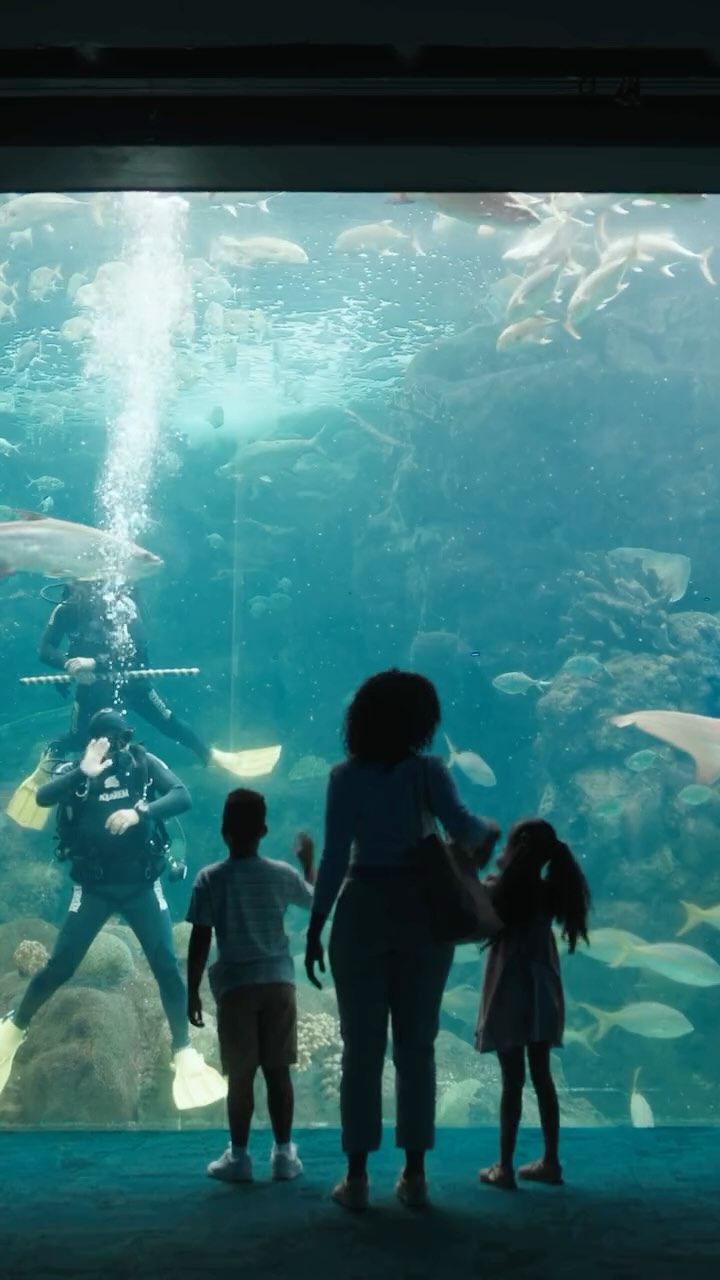
The experience of visiting an aquarium can also serve as a catalyst for family bonding. Families can explore exhibits together, sharing insights and reactions to the diverse marine life. Interactive displays and engaging presentations create moments of wonder and spark meaningful conversations about ecology and conservation. Such settings can instill a lifelong appreciation for wildlife and nature, leading to a greater personal commitment to environmental stewardship.
Enriching experiences within aquariums extend beyond education. Special events, such as behind-the-scenes tours or animal encounters, allow guests an intimate look into animal care and conservation efforts. These opportunities not only add excitement to a visit but also deepen understanding of the responsibilities aquarists hold. Visitors may witness feedings or watch trainers interact with marine mammals, highlighting the dedication required for species welfare.
Moreover, aquariums often host seasonal events such as marine-themed festivals, cooking demonstrations focusing on sustainable seafood, or conservation talks. These programs nurture a sense of community and provide platforms for discussing pressing environmental issues. Engaging with others who share interests in marine life can enrich your experience and inspire action.
As aquariums look towards the future, their commitment to environmental awareness and conservation remains a fundamental focus. Many are actively planning new initiatives aimed at further protecting marine ecosystems and elevating public consciousness. This ongoing evolution includes partnerships with conservation organizations, research institutions, and local communities.
Some aquariums have begun to incorporate renewable energy solutions to lower their environmental footprint. Solar panels and energy-efficient systems are being adopted to reduce reliance on traditional energy sources. Furthermore, many facilities are enhancing their waste management practices by focusing on reducing plastic usage and promoting recycling programs. These efforts reflect a commitment to not only marine life but also the planet’s overall health.
The community aspect of aquariums is increasingly emphasized in this evolution. Collaborative efforts with local stakeholders can bolster conservation initiatives. Engaging with community members through outreach programs and volunteer opportunities builds a network of advocates dedicated to preserving marine environments.
In addition, public awareness campaigns focus on individual actions that can contribute to ocean conservation. For example, educating visitors about responsible seafood choices promotes sustainable fishing practices. By encouraging visitors to take small but impactful actions, aquariums can amplify their conservation message.
Participating in global conservation initiatives can also enhance aquariums’ role in environmental awareness. Collaborations with global partners allow for the exchange of knowledge and strategies aimed at protecting marine biodiversity. These partnerships often lead to more substantial conservation outcomes, benefiting not only local ecosystems but also marine environments worldwide.
Aquariums have a unique capacity to engage with diverse audiences. By utilizing storytelling and interactive displays, they can effectively communicate complex scientific concepts. This approach makes learning about marine biology and conservation approachable and enjoyable. Education not only fosters a knowledgeable public but also inspires future generations to take part in conservation efforts.
Through their various initiatives, aquariums engage visitors and equip them with the knowledge and tools needed to advocate for marine conservation. By visiting an aquarium, you’re not just enjoying a day out; you’re contributing to a broader mission of stewardship and respect for our oceans. Every ticket purchased, every donation made, supports vital programs focused on protecting marine life for generations to come.
Experiences like these have lasting effects, inspiring visitors to become more involved in conservation activities outside the aquarium. Whether through participating in local beach cleanups, advocating for sustainable practices, or simply spreading awareness, these actions contribute to the preservation of our oceans.
Aquariums also serve as vital centers for cultural and artistic expression. Many feature art installations and exhibitions that highlight marine ecosystems, presenting marine conservation in innovative ways. These art forms can transcend language barriers, allowing diverse audiences to connect through shared appreciation for marine life.
The array of experiences and educational opportunities found within aquariums fosters a multi-faceted understanding of marine ecosystems. As visitors engage with exhibits, they absorb knowledge and form connections that can last a lifetime. These interactions spur curiosity and advocacy, reinforcing the critical importance of conserving our oceans.
It’s essential for us to value the wonders that aquariums offer. They provide a glimpse into the underwater world, enriching our lives and inspiring action. The next time you visit, remember you are not only observing marine life but are part of a collective effort to protect it. Your memories created at the aquarium are the first steps towards becoming lifelong advocates for marine conservation. The adventure awaits; it begins with each visit you make.
*****
Source Description
Adventure awaits! 🌊
Explore the wonders of the Aquarium and bring home memories that last a lifetime. 🙌 ✨
