
- The significance of birds in ecosystems and human culture.
- Educational activities at Bird Bonanza that foster engagement with avian species.
- Expert insights on creating bird-friendly habitats in residential areas.
- Birdwatching techniques and local species identification with Ranger Greg.
- The importance of conservation and protecting bird populations.
Birds play an essential role in both ecosystems and human culture. They contribute to pollination, seed dispersal, and pest control, making them vital components of healthy environments. Across human history, birds have inspired art, poetry, and even folklore. Their diverse behaviors and appearances have captivated individuals, inviting observations that can deepen appreciation for nature.
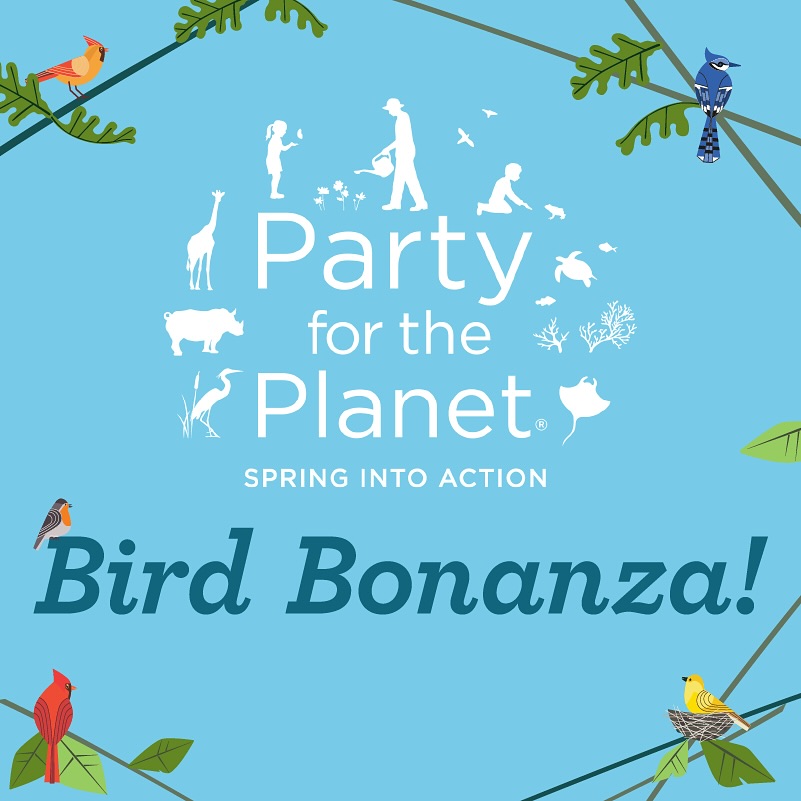
The Bird Bonanza on Sunday, May 4, is a celebration of avian diversity and an opportunity for families and enthusiasts alike to connect with nature. The event aligns with the Spring Into Action series, which provides a range of activities centered around environmental stewardship. Attendees will encounter interactive exhibits, engaging talks, and hands-on sessions designed to promote bird conservation and appreciation.
Participants will also benefit from educational activities that enhance their understanding of birds. The event promises numerous interactions with feathered friends. Staff members and volunteers will provide information on various species, their habitats, and behavioral traits. Participants can take part in crafts related to birds, delve into their migratory patterns, and learn about local populations.
One of the highlights of Bird Bonanza will be a workshop led by a master gardener focused on creating ideal bird habitats. Birds require specific conditions to thrive in residential areas. Understanding how to plant native species and provide necessary resources can significantly boost local bird populations. The workshop emphasizes using native flora, which not only supports local biodiversity but also provides food and nesting sites for birds.
Planting strategies include incorporating trees and shrubs that produce berries or seeds sought after by birds. For instance, serviceberry and elderberry bushes attract a variety of species, while oak trees provide essential acorns for many birds. Water sources such as birdbaths are also important; they serve as vital hydration points in urbanized environments.
The workshop will discuss predator deterrents, such as keeping cats indoors and utilizing feeding stations strategically to protect vulnerable birds. It’s vital to create a balanced environment that caters to avian needs while minimizing threats from predators. Through these gardening practices, participants will gain practical skills to enhance their surroundings and encourage the presence of local species.
Ranger Greg, an experienced birdwatcher and naturalist, will lead birdwatching sessions throughout the day. His expertise will help participants sharpen their observation skills and learn to identify common local birds. Those attending will discover techniques to spot and recognize various species. Binoculars will be provided for those who want a closer look at their feathered neighbors.
Birdwatching offers numerous benefits. It builds a sense of connection to nature, encourages mindfulness, and can even stimulate physical activity. Attendees will gain insight into the characteristics that define different bird species. For example, a cardinal’s bright red plumage or a sparrow’s subdued tones can help observers distinguish one from another. The sounds of birds also serve as identification tools; learning to recognize calls is an invaluable skill for any bird enthusiast.
The event will promote birdwatching not just as a hobby but as a tool for documenting bird populations. Participants can contribute their findings to citizen science projects, where sightings help track trends and population health. Data collected from birdwatchers worldwide contribute to ongoing conservation efforts.
The importance of conservation cannot be overstated, particularly as many bird species face substantial threats. Habitat loss, climate change, and pollution have led to significant declines in bird populations. Engaging younger generations in birdwatching and ecological literacy directly promotes a lifelong commitment to environmental stewardship.
As public awareness of conservation issues grows, awareness campaigns emphasizing the plight of birds play a critical role in fostering a culture of protection. Bird Bonanza aims to ignite interest and enthusiasm for birds and conservation. By educating the public about local species and their needs, the event serves as an entry point into a broader understanding of biodiversity.
Participants will leave Bird Bonanza with greater knowledge of local bird species, gardening practices conducive to wildlife, and effective birdwatching techniques. The event serves as an enriching experience, helping cultivate a community that values and protects avian life.
Bird Bonanza is more than just an event; it’s a vital opportunity to foster connections between people and nature. Birds on the brain is not just a catchy phrase but encapsulates a growing passion for avian life that can inspire action, ensuring vibrant habitats for feathered friends.
Bird Bonanza hopes to encourage conversations about conservation, cycling through generations as knowledge passes from expert to novice. The event is designed to unveil the roles birds play within ecosystems and the impact of individual actions on broader conservation goals.
Creating an environment filled with knowledge, excitement, and a hands-on approach allows attendees to engage deeply with the subject matter. This fosters lifelong learning about birds and wider ecological issues, ultimately promoting healthier relationships with our natural surroundings.
Efforts like those found at Bird Bonanza illustrate how community engagement can bridge gaps between nature and human activity. Conversations about birds can lead to more extensive discussions about environmental conservation and the pressing need to protect habitats.
By participating in Bird Bonanza, individuals contribute to a larger movement committed to preserving biodiversity. Educating families about avian life aids in continued collective efforts to conserve habitats across various landscapes.
Birds rely on undisturbed habitats, making every effort toward conservation beneficial. Events like Bird Bonanza display nature’s intrinsic value and draw attention to the essential actions required for bird conservation.
The journey toward effective wildlife conservation starts within our communities and neighborhoods. Together, individuals can take actionable steps to foster habitats where birds can thrive. Through informed gardening, birdwatching, and community engagement, everyone can play an essential role in ensuring birds remain a vibrant part of ecosystems for generations to come.
Bird Bonanza invites everyone to contact their local museums, wildlife organizations, or conservation groups to learn more about avian education and ways to get involved. Birdwatching groups often provide resources, support, and camaraderie while simultaneously increasing awareness about local avian issues.
As spring leads into summer, the vibrant activity of birds adds life to the lush greenery we see outside. Recognizing their presence through educational events and community efforts deepens our ecological understanding and strengthens local support for conservation initiatives. By fostering a culture that respects and values birds, we can all contribute to a healthier, more sustainable environment.
*****
Source Description
We’ve got birds on the brain! 🧠
Flap, fly, and flock to the Museum for Bird Bonanza on Sunday, May 4! See feathered friends up close, learn how to craft the ideal bird habitat in your yard from a master gardener, and try to beat Ranger Greg in spotting local birds around campus.
Bird Bonanza is included with admission and is just one of several events in our Spring Into Action series. Details at the “Upcoming Events” tab at the link in our bio.
📸: Ranger Greg
