
- The cultural significance of rice in different societies
- The agricultural processes involved in rice cultivation
- The ecological impact of rice farming techniques
- Traditional practices and innovations in rice production
- The role of rice in food security and global economies
Rice is more than just a staple food; it embodies the traditions, celebrations, and sustenance of many cultures worldwide. As one of the most significant crops, rice holds a central place in the cuisines and lifestyles of billions. The journey of rice spans thousands of years, bridging histories and fostering community bonds.
Understanding the cultural significance of rice reveals its impactful role in various societies. In Asia, rice is often seen as a symbol of fertility and prosperity. Festivals, such as the Thai Rice Festival, celebrate the harvest with various rituals that thank the gods for bountiful yields. Such events not only emphasize gratitude but also reinforce community ties through shared activities. In Japan, rice is a central element in religious ceremonies; offerings of rice are made to deities. This reverence for rice reflects its fundamental role in daily life and spiritual practice.
Agricultural processes are crucial in determining the quality and quantity of rice produced. Cultivation begins with selecting the right variety of rice suited for local conditions. The method of planting can vary: some farmers opt for transplanting seedlings, while others prefer direct sowing. Land preparation involves plowing and leveling to ensure proper irrigation. Fertility management is also pivotal; farmers employ organic and chemical fertilizers to enrich the soil, balancing nutrients crucial for optimal growth.
Water management is vital in rice farming due to the plant’s preference for flooded conditions. This practice, known as wet rice cultivation, helps suppress weeds and pests while encouraging healthy growth. Irrigation systems play a critical role in maintaining the water levels needed throughout the growing season. However, this reliance on water resources makes rice production susceptible to climate variability, prompting farmers to adapt their methods in response to shifting patterns.
The ecological impact of rice farming techniques deserves attention, especially with the rise of climate change. Traditional rice cultivation promotes biodiversity, as it often incorporates other crops within the same field. This polycultural approach can enhance soil health and reduce dependence on chemical pesticides. Nevertheless, intensive rice farming practices, particularly those reliant on monoculture, can lead to severe environmental degradation. Issues such as water scarcity, soil erosion, and loss of biodiversity are increasingly pressing.
Innovations in rice production are shaping the future of agriculture. Researchers are developing genetically diverse rice strains that withstand adverse conditions such as drought and salinity. Technological advancements, like drone technology for monitoring fields, are changing how farmers manage their crops. These approaches not only boost yields but also make rice farming more sustainable and resilient.
Traditional practices involve knowledge passed down through generations. Techniques such as seed saving ensure the continued availability of indigenous rice varieties, which possess unique flavors and qualities. Many communities still hold onto ancient traditions, integrating holistic methods into modern agricultural settings. These practices emphasize the importance of maintaining cultural heritage alongside agricultural productivity. Such integration acknowledges the wisdom embedded in indigenous knowledge while accommodating modern advances.
Rice plays a crucial role in food security and global economies. Nearly half of the world’s population relies on rice as their primary food source. This demand drives the economic landscape in rice-producing countries, influencing job creation and trade dynamics. In regions where rice is a staple, policies surrounding cultivation, trade, and sustainable practices are vital. Governments put policies in place to stabilize prices and ensure farmers’ livelihood, reflecting rice’s value far beyond just a food item.
Food security remains a pressing issue globally. The relationship between rice production and food availability cannot be overstated. Changes in climate and growing populations demand a reevaluation of agricultural practices. As countries strive to achieve sustainability, innovations in rice production could play a role in meeting these challenges. Introducing more adaptive techniques can help mitigate risks associated with climate change while securing livelihoods for millions.
In-depth education on rice cultivation can support rising awareness about sustainable practices. Knowledge-sharing initiatives encourage farmers to adopt more responsible agricultural methods. Such grassroots movements focus on community engagement, highlighting the importance of local stewardship in rice farming. Collaborative efforts can amplify success and lead to more sustainable and equitable food systems.
Several organizations actively promote sustainable rice cultivation. The International Rice Research Institute (IRRI) is dedicated to developing new rice varieties and improving rice farming practices globally. Their efforts aim to make rice farming both productive and sustainable, addressing questions surrounding resilience and environmental stewardship. Supporting such initiatives fosters a deeper understanding of the multifaceted role rice plays in food systems.
Exploring the genetic diversity of rice reveals the complexity of this crop. Over 40,000 varieties of rice exist, each adapted to various climatic and geographic conditions. Understanding these differences can assist in enhancing agricultural resilience. Conservation efforts focus on preserving these varieties to maintain genetic integrity and resilience against stressors. Ex-situ and in-situ conservation methods are employed to safeguard this genetic heritage for future generations.
Educational programs targeting young farmers are essential for bridging the gap between traditional and modern practices. Workshops that focus on integrated pest management, organic farming techniques, and water-saving technologies empower new generations. By engaging youth, communities can foster innovation and adaptability, ensuring the sustainability of rice farming practices.
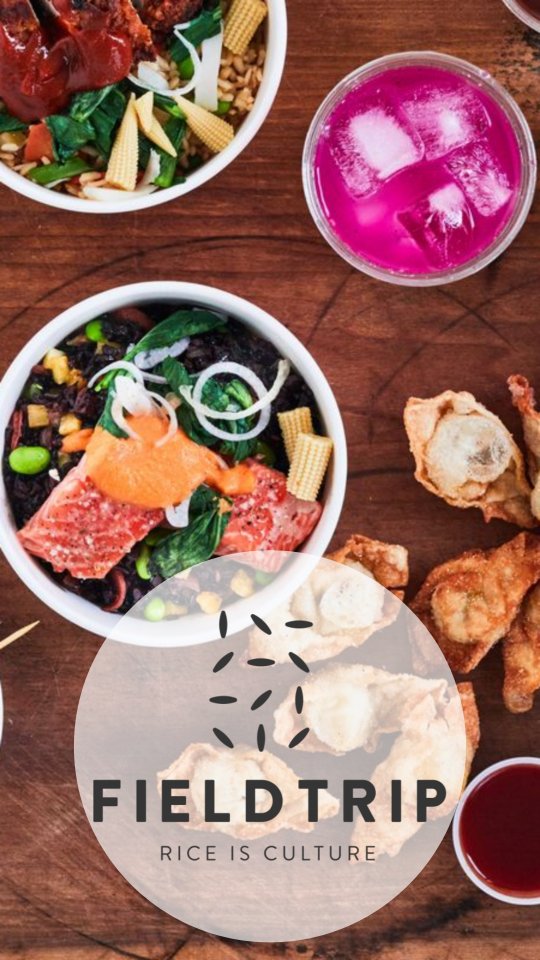
Rice also has a significant role in global culinary traditions. From sushi in Japan to risotto in Italy, rice takes on many forms across culinary practices. Its versatility extends beyond main dishes, as rice is also a popular ingredient in desserts and beverages. Understanding regional culinary practices can provide valuable insights on the cultural importance of rice, enriching our appreciation for this essential grain.
Cooperation and partnerships are vital for advancing rice sustainability on a global scale. Collaborative efforts among nations can facilitate knowledge exchange, allowing countries to learn from each other’s successes and challenges. Strengthening international networks bridges knowledge gaps and accelerates the adoption of sustainable practices in rice farming, ensuring a more food-secure future.
The path forward for rice agriculture lies in balancing productivity with sustainability. Addressing the challenges posed by climate change requires a concerted effort among stakeholders, from farmers to policymakers. This approach supports agricultural resilience while safeguarding ecosystems and cultural heritage.
Rice holds a unique position as both a vital food source and a cultural symbol. Its presence in various culinary traditions underscores its importance in diverse cultures. Understanding rice’s multifaceted role enhances our appreciation for this staple food, offering insights into its agricultural, ecological, and social significance. By embracing sustainability and fostering innovation, we can move toward a future where rice farming benefits not only producers but also consumers, communities, and the planet.
*****
Source Description
This vacation reach for Fieldtrip. Rice is culture.
