
- Exploring the Adaptations of Desert Animals
- The Role of Behavior in Survival
- Challenges Faced by Desert Wildlife
- Conservation Efforts for Desert Ecosystems
- How Human Activities Impact Desert Environments
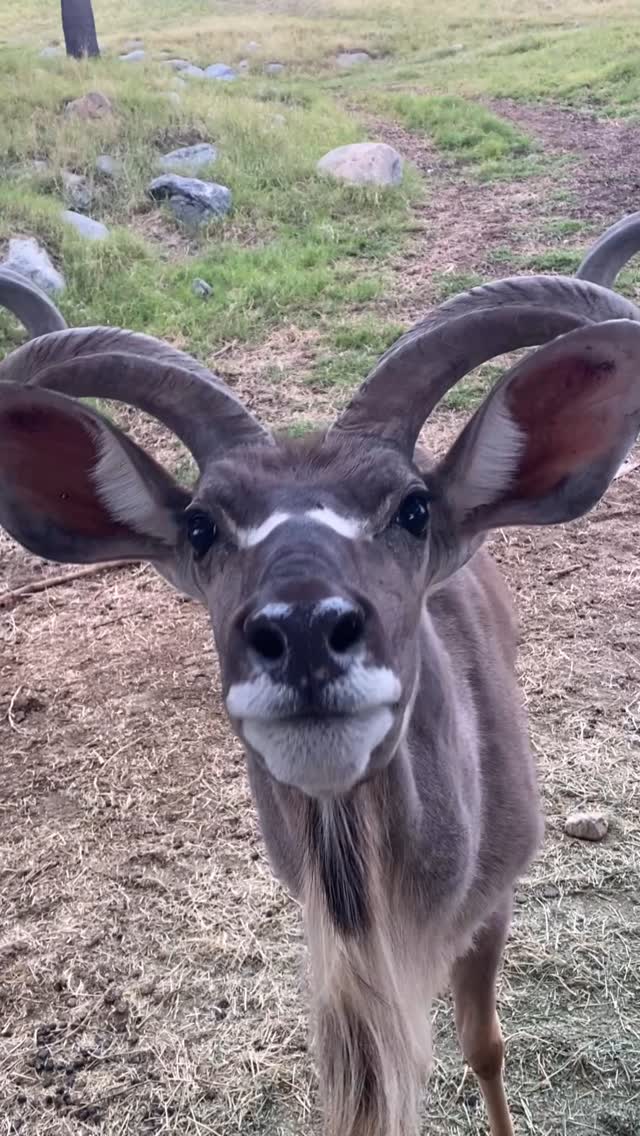
Desert animals are fascinating creatures, equipped with unique adaptations that enable them to thrive in harsh conditions. These adaptations are not merely physical; they encompass behavioral traits, contributing to their ability to survive where resources are scarce. If your hobbies include snacking all day, soaking up the sun, or digging like you mean it, guess what? You’re basically a desert animal! Let’s explore what makes these animals so well-suited to their environment.
Desert animals have developed extraordinary adaptations to manage the extreme conditions they face. These include mechanisms to conserve water, regulate body temperature, and find food in barren landscapes. Many species, such as the camel, store fat in humps for energy. Kangaroo rats have specialized kidneys that concentrate urine, minimizing water loss. Their nocturnal lifestyle helps them avoid daytime heat. The fennec fox, for instance, has large ears that dissipate body heat and help it hear subterranean prey. In essence, desert animals showcase incredible evolutionary innovations.
Survival in a desert involves not only physical adaptations but also behavioral strategies. Many desert animals are crepuscular, active at dawn and dusk when temperatures are moderate. This behavior reduces exposure to midday heat. Social insects like ants may forage at night, leveraging cooler temperatures. Burrowing is another essential behavior. Animals such as meerkats dig into the ground to escape heat and predators. These behavioral adaptations are critical, as they enable survival amidst unforgiving environmental conditions.
Desert environments are fraught with challenges that test the resilience of wildlife. Water scarcity is perhaps the most significant challenge, driving animals to evolve exceptional water-conserving mechanisms. Food scarcity is another challenge; many animals have adapted to eat a wide range of materials or enter into periods of dormancy. Predation risks are also amplified in open landscapes with limited cover. These challenges highlight the dynamic interactions between organisms and their environment.
Conservation of desert ecosystems is vital to safeguard the biodiversity they support. Efforts include habitat protection, reforestation with native plants, and the creation of protected areas. Conservationists also focus on restoring ecosystems impacted by human activities, such as mining and agriculture. Public education is critical, raising awareness about the importance of biodiversity and encouraging sustainable practices. These initiatives aim to maintain the delicate balance of desert ecosystems, ensuring the survival of their unique inhabitants.
Human activities have a profound impact on desert environments. Urbanization leads to habitat loss and fragmentation, disrupting ecosystems. Overgrazing by livestock can degrade vegetation, leading to soil erosion. Climate change poses additional threats, altering rainfall patterns and exacerbating droughts. Such changes affect animal and plant distributions, challenging their survival. Understanding these impacts is crucial for developing effective conservation strategies.
In summary, desert animals are remarkable for their ability to adapt to and thrive in extreme conditions. They employ a range of physical and behavioral strategies to survive. The challenges they face underscore the fragility of desert environments and the need for dedicated conservation efforts. By protecting these ecosystems, we can help preserve the diverse life forms that, like the desert animals, make the most of every opportunity to thrive under the sun.
*****
Source Description
If your hobbies include snacking all day, soaking up the sun, or digging like you mean it, guess what? You’re basically a desert animal! 🌵✨
