
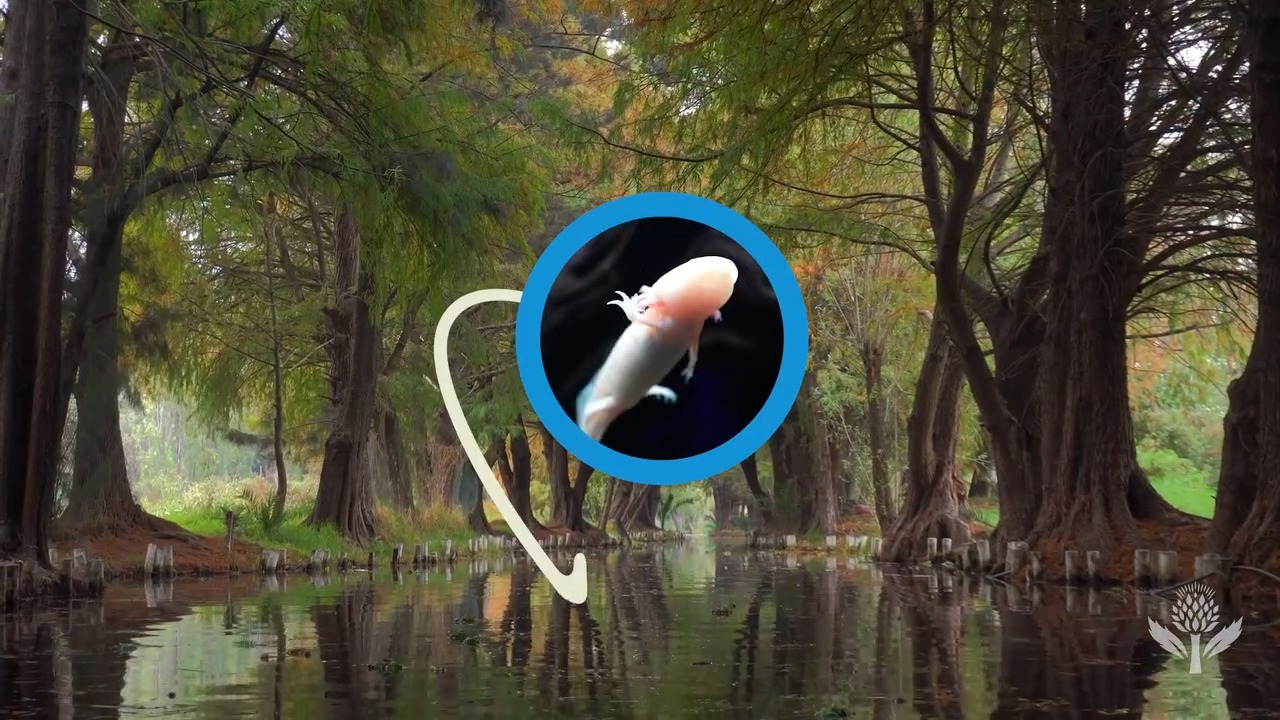
- Axolotls are a neotenic species, remaining in their larval stage throughout their lives.
- These amphibians are critically endangered, primarily due to urbanization and invasive species.
- Their unique regenerative abilities enable them to recover from significant injuries.
- Axolotls are not suitable as pets due to their specific habitat requirements and sensitivity to water quality.
- Conservation efforts are crucial to protect axolotls and their declining ecosystem.
Axolotls, scientifically known as Ambystoma mexicanum, provide an exceptional case study in the field of zoology. Unlike most amphibians, which undergo metamorphosis from larva to adult, axolotls remain in their larval state for their entire lives. This phenomenon is known as neoteny, allowing these creatures to retain their juvenile features, such as external gills and a finned tail. They are primarily found in small areas of Lake Xochimilco, near Mexico City, giving them a limited natural habitat that significantly contributes to their conservation concerns.
The critical status of axolotls stems mainly from environmental issues. Urbanization poses a significant threat to their survival, as the expanding city encroaches on their natural habitats. The introduction of invasive species has exacerbated these challenges. Such species often compete with axolotls for resources or introduce diseases to which axolotls have no natural immunity. Consequently, the delicate balance of their ecosystem faces extreme pressure, leading to calls for immediate conservation measures.
One of the axolotl’s most captivating features is its remarkable regenerative abilities. Unlike most animals, which may suffer permanent damage from injuries, axolotls can regenerate limbs, spinal cord, and even parts of their heart and brain. This capability intrigues scientists and researchers looking into regenerative medicine. Understanding the biological mechanisms at play could unlock new treatments for human injuries. Researchers have started to study the genetic factors and cellular processes involved in axolotl regeneration, hoping to apply these insights to medical science.
However, despite their fascinating biology, axolotls make poor pets for the average animal keeper. They thrive in specific environmental conditions, requiring clean, cold water and a carefully controlled habitat. Many individuals may not realize that even minor fluctuations in water quality can cause severe stress or death in these creatures. Therefore, responsible ownership is challenging. Educating potential pet owners is vital, as many may be drawn to axolotls due to their adorable appearance, but few are fully equipped to meet their care needs.
Conservation initiatives are urgently needed to protect axolotls and their habitat. Local and global efforts are critical in raising awareness about their endangered status. Conservation programs often focus on habitat restoration, pollution control, and the removal of invasive species. Engaging the local community is essential, as local populations depend on water sources that are directly affected by the health of the axolotl’s environment. Programs educate residents on sustainable practices that help protect this unique species.
Several zoos and aquariums participate in breeding programs aimed at bolstering axolotl populations. These initiatives seek to prevent extinction by fostering healthy, genetically diverse populations in captivity. Partnerships between institutions, such as Brookfield Zoo in Chicago, have also played a role in educating the public about the importance of wildlife conservation. Such programs not only contribute to axolotl preservation but also aim to create a broader understanding of ecological issues.
Research continues to play a vital role in unraveling the mysteries of axolotl biology and their ecosystem. Studies on their genetics and regenerative properties continue to provide insights into cellular mechanisms. Understanding their behavior and reproductive habits can further inform conservation strategies. It’s essential to recognize that axolotls serve as indicators of environmental health. Healthy axolotl populations usually signify a balanced ecosystem, while their decline serves as a warning of underlying ecological issues.
Global efforts need to include habitat protection, legislative action, and community involvement. As urban development continues to spread, it is essential to promote policies that protect the natural habitats of species like the axolotl. Encouraging responsible pet ownership can further alleviate pressure on wild populations, as fewer individuals will be removed from their habitats for the pet trade.
In recent years, efforts have also turned toward educating the next generation about the significance of biodiversity and conservation. Schools often engage students through projects and field trips focused on local ecosystems. By fostering an appreciation for species such as the axolotl, future generations may be more inclined to participate in conservation and sustainable practices.
Axolotls are more than just a captivating subject in zoology; they represent a unique opportunity for scientific study and significant conservation challenges. Their neotenic nature, coupled with distinctive regenerative properties, makes them essential both as research subjects and as a species in need of protection. They act as a reminder of how interconnected our ecosystems are and the importance of safeguarding them for future generations.
The efforts to save axolotls require a multifaceted approach. Effective conservation strategies often combine scientific research with community education, the enforcement of legal protections, and habitat restoration projects. As awareness of their plight grows, there is hope that these remarkable amphibians will not just survive but thrive once again in their native habitats.
Conservationists, scientists, and educators must continue to collaborate in their efforts to ensure the future of axolotls and their ecosystem. Their survival depends on an engaged public, robust research initiatives, and coordinated conservation actions. By focusing on these elements, the hope remains that axolotls can be preserved as a living testament to the importance of biodiversity.
The urgency of protecting axolotls is more than a conservation issue; it’s a global responsibility. Their plight puts in focus the urgent need to address ecological deterioration, urban expansion, and the impact of human activity on fragile species. Fostering a sense of stewardship can inspire collective action toward sustainable practices that will benefit not just axolotls but countless other species as well.
With continued efforts, we can work to protect these captivating creatures and the diverse ecosystems they inhabit, safeguarding their future in a world that is constantly changing. Axolotls symbolize not only the wonders of nature but also the critical importance of environmental conservation. Each step taken to support their survival is a step toward ensuring a healthier planet for all species.
*****
Source Description
Did you know that axolotls never fully grow up, staying in their larval stage their whole lives? Native to small areas of Lake Xochimilco in Mexico City, axolotls are critically endangered; they face challenges from urbanization and invasive species in the area.
While they may look cute, they are not good pets, and their survival depends on protecting their natural habitat. This video was created in partnership with Encyclopaedia Britannica to help shed light on the importance of protecting axolotls and their delicate ecosystem. Learn more from Brookfield Zoo Chicago Lead Animal Care Specialist Mike about what makes these amphibians unique and why they’re so important to conserve!
