
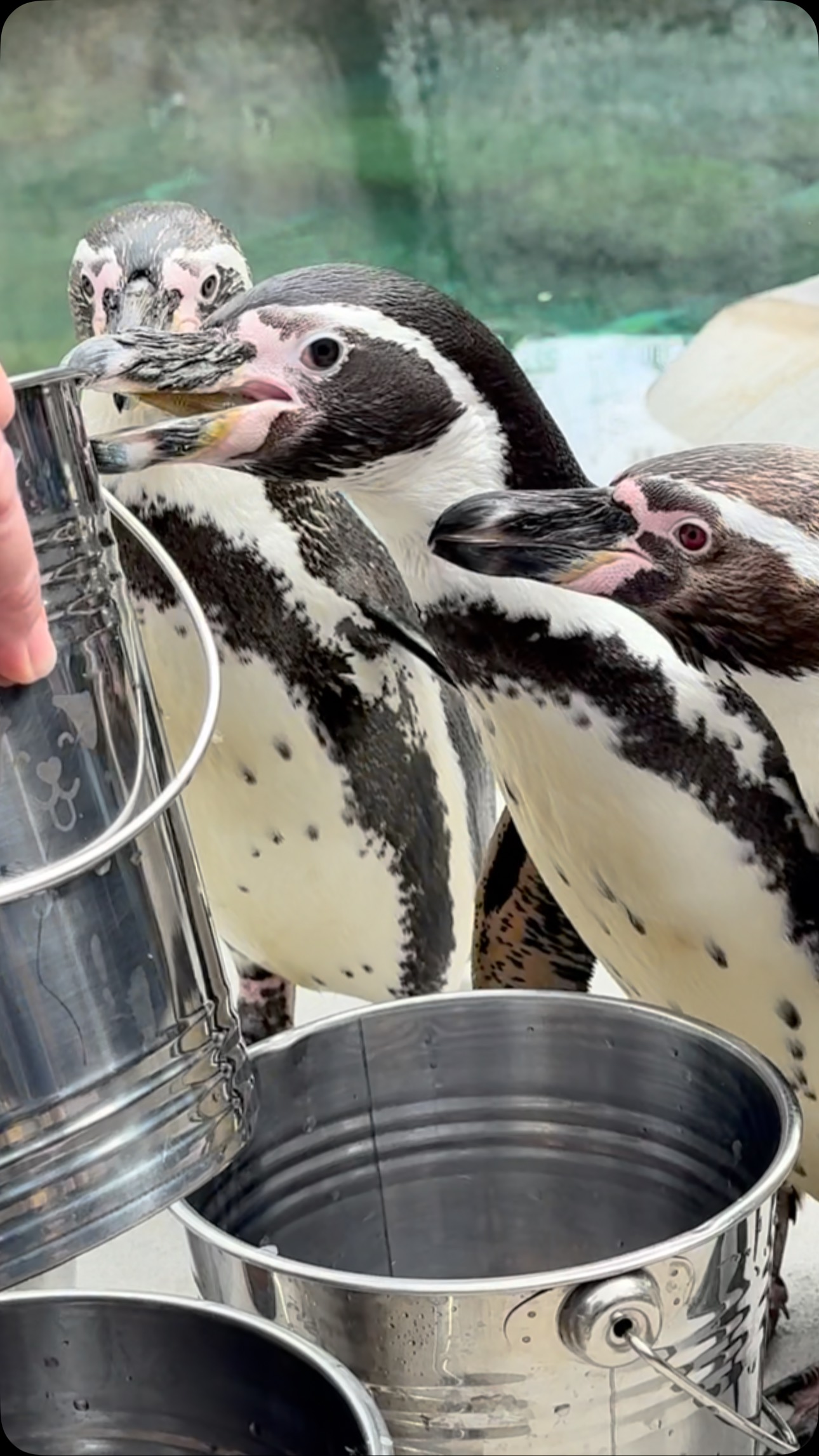
- The importance of hand-feeding penguins in zoos and aquariums.
- Establishing trust and building positive relationships with penguins.
- Monitoring the health and well-being of each penguin.
- Customizing dietary needs and providing special supplements.
- The broader implications for conservation and education.
Hand-feeding penguins at zoos and aquariums is more than just a feeding routine; it is a carefully planned process that fosters the well-being of these fascinating birds. By understanding the intricacies of hand-feeding, we gain a deeper appreciation for the dedication of zookeepers and the broader implications for penguin conservation and education.
Establishing trust and building relationships with penguins is crucial. Hand-feeding allows keepers to interact with each bird daily, providing a personal connection that helps the animals feel secure and comfortable. The tactile and visual interactions during feeding enable keepers to develop a mutual bond, which is vital for managing these birds in captivity. This trust not only makes feeding time efficient but also aids in other essential tasks like medical check-ups and behavioral studies.
Monitoring the health and well-being of each penguin is another vital aspect. By hand-feeding, keepers can observe changes in appetite or behavior that might indicate health issues. Penguins, like all animals, can be susceptible to various conditions. Early detection of any abnormality can make a significant difference in treatment success. Hand-feeding grants zookeepers the opportunity to notice subtle changes, ensuring timely intervention when required.
Penguins have specific dietary needs that vary among species and individuals. Some may require additional vitamins or supplements due to their health conditions or stages of life. Hand-feeding ensures that each penguin receives the exact portions and types of food tailored to their requirements. It also allows for precise administration of any necessary supplements, thereby supporting optimal health and longevity.
The broader implications for conservation and education are significant. Penguins face numerous threats in the wild, including climate change, habitat destruction, and overfishing. By maintaining healthy populations in zoos, we can contribute to conservation breeding programs and global biodiversity. Moreover, engaging the public with penguin feedings can raise awareness about these majestic creatures and the threats they face. Educational programs often incorporate feeding sessions to educate visitors, fostering a connection between humans and wildlife that can inspire conservation efforts.
In essence, hand-feeding penguins embodies a blend of science and care that highlights the dedication of animal care professionals in zoos and aquariums. Through building relationships, monitoring health, and customizing diets, this practice not only enhances the lives of penguins in captivity but also supports broader conservation and educational goals. By engaging in these efforts, we contribute to the awareness and preservation of these incredible birds.
*****
Source Description
🐧 Feeding time! 🐟 Did you know our penguins are all individually hand-fed? Penguins are hand-fed for several reasons!
1. Hand-feeding allows keepers to build positive relationships and trust with the penguins.
2. It allows keepers to closely monitor their health, appetite, and well-being.
3. It ensures that each bird gets enough food, and allows keepers to provide any special supplements or dietary needs for each individual bird.
