
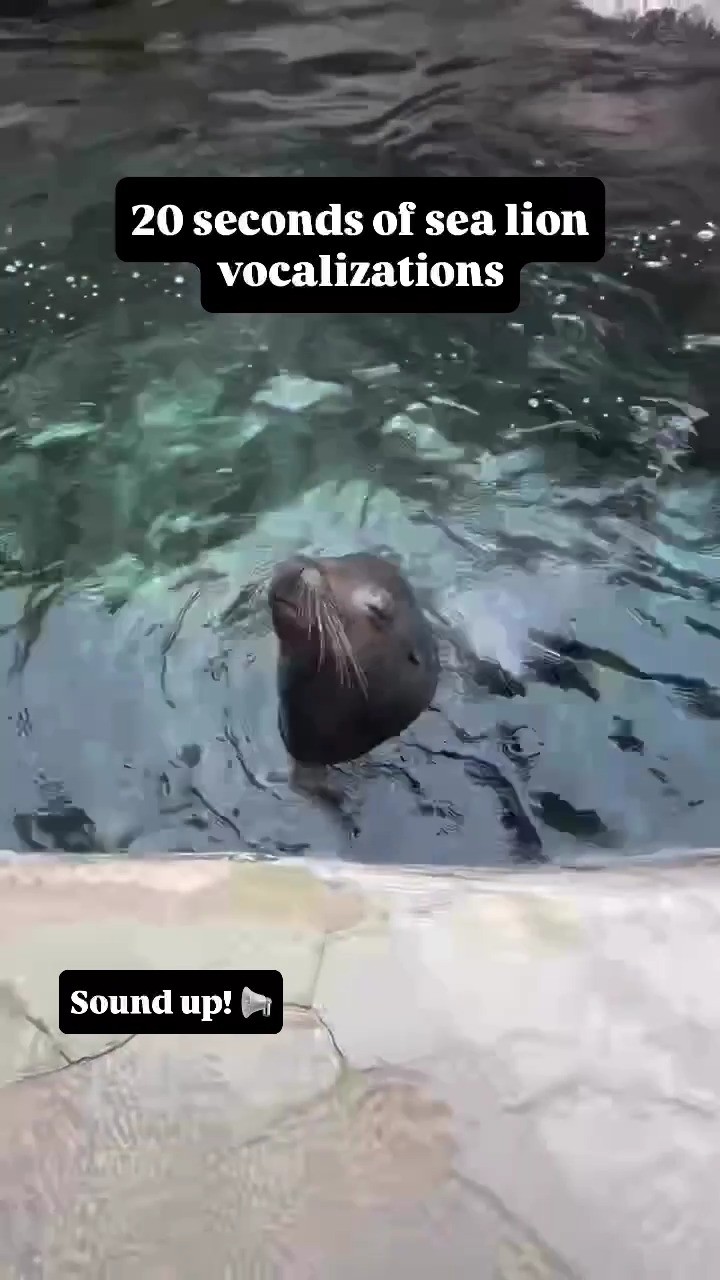
- The communication methods of sea lions, including vocalizations and body language.
- The social structures and behaviors exhibited by sea lions in their natural habitats.
- The role of sea lions in marine ecosystems and their importance to biodiversity.
- The challenges facing sea lion populations and conservation efforts to protect them.
- The implications of human interactions with sea lions and their habitats.
Sea lions are fascinating creatures known for their playful nature and impressive vocal abilities. These marine mammals communicate through a variety of sounds, such as barks, growls, and grunts, both on land and in water. Their vocalizations serve multiple purposes, from maintaining social bonds within groups to establishing territories and attracting mates. Unlike many other marine animals, sea lions possess a larynx structure that allows for diverse and complex sounds, making their communication highly effective in different environments.
On land, sea lions often gather in colonies, where males and females engage in a variety of communication behaviors. Males bark loudly to announce their presence, establishing dominance over territories. They may also grunt and growl to communicate with potential rivals or during mating displays. Females use softer vocalizations to call to their pups, allowing for easy recognition and bonding. Indeed, these vocal interactions are crucial for the survival of young sea lions, as they rely heavily on their mothers for care and nourishment.
In addition to vocal sounds, sea lions utilize body language to convey messages. Flipper waving, posturing, and unique facial expressions all play a role in their social interactions. For instance, a male displaying his size by puffing up his chest while growling is an attempt to assert dominance. Observations of sea lions engaging in playful behaviors showcase their intelligence and social complexity. Such interactions are vital for the development of social structures within their groups.
Sea lions play a significant role within marine ecosystems. As top predators, they help to maintain a balance in the populations of fish and other marine life. Their hunting behaviors can influence the distribution and abundance of prey species, which in turn affects the overall health of the ecosystem. Various studies have indicated that the presence of sea lions contributes positively to biodiversity. By occupying their niche effectively, they help sustain healthy marine food webs.
Despite their importance, sea lions face numerous challenges. Climate change poses a significant risk, affecting not only their food sources but also their breeding environments. Ocean temperatures and currents are shifting, altering the distribution of fish stocks and making it harder for sea lions to find food. Furthermore, pollution, such as plastic debris and chemical contaminants, threatens their health and survival. Human activities, including fishing and boating, often lead to accidental entanglements, resulting in injuries and fatalities.
Conservation efforts play a pivotal role in addressing these challenges. Organizations are working to protect sea lion habitats and monitor their populations. These initiatives include implementing regulations on fishing practices to reduce bycatch and establishing marine protected areas where sea lions can thrive without human interference. Education and outreach programs aim to raise awareness about the importance of sea lions and the threats they face, encouraging community involvement in conservation activities.
Human interactions with sea lions also raise concerns regarding the health of these animals. While ecotourism can promote awareness and appreciation, it can also stress wildlife and disrupt their natural behaviors. Educating the public about the proper distance to maintain when observing sea lions is critical to their well-being. Responsible wildlife viewing guidelines can help mitigate these risks, ensuring that sea lions can thrive both in the wild and in human-visited areas.
Sea lions’ adaptability allows them to thrive in various environments, from rocky shores to sandy beaches. Their remarkable behavior patterns reflect their ability to interact with their surroundings dynamically. Observing sea lions provides insights into marine biology and ecology, enriching our understanding of aquatic mammal behavior and highlighting the need for continued research.
In summary, sea lions represent not only a remarkable aspect of marine life but also a vital component of marine ecosystems. Their social structures, communication methods, and ecological roles emphasize their significance in maintaining biodiversity. However, facing various threats requires coordinated conservation efforts and public awareness. By prioritizing the protection of sea lions and their habitats, society can contribute to the preservation of these remarkable marine mammals for generations to come.
*****
Source Description
Happy
Did you know sea lions vocalize on land and underwater? Sea lions communicate through a variety of vocalizations including barks, growls, and grunts. These sounds help the sea lions maintain social bonds, establish territories, and attract mates!
