
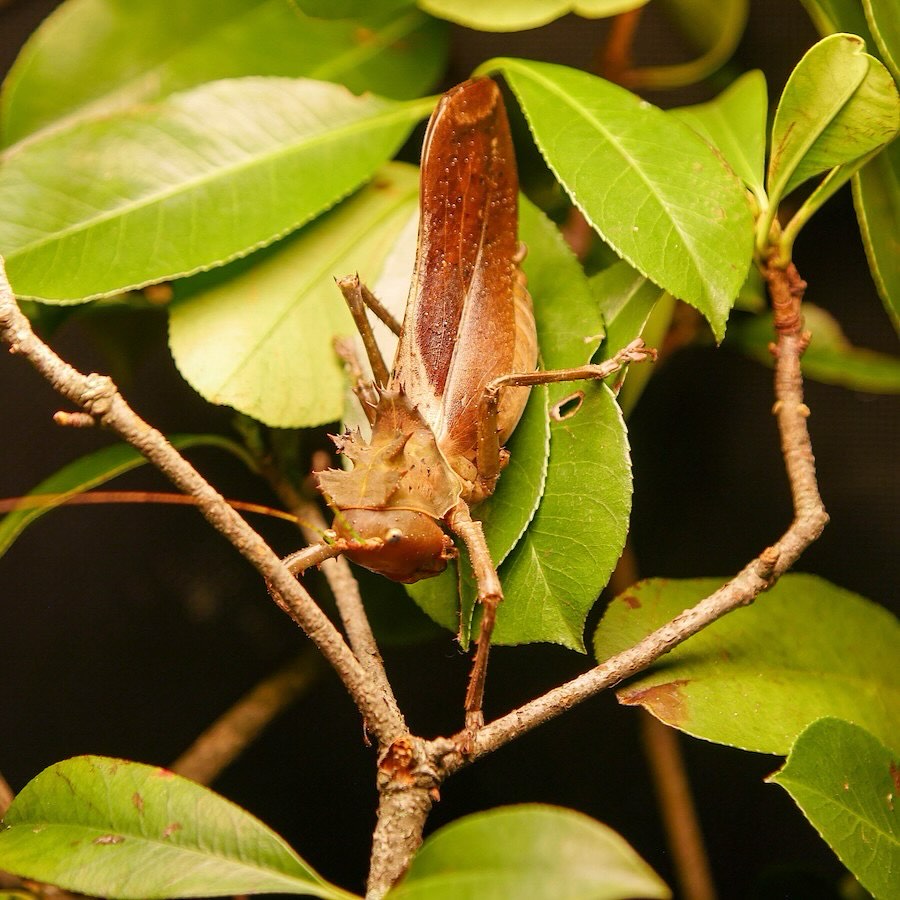
- Katydids and Their Classification as Cousins of Crickets and Grasshoppers
- The Dietary Habits of Katydids
- Camouflage and Adaptation in Katydids
- The Audubon Insectarium’s Dragon-Headed Katydid
- Conservation Efforts for Katydids and Their Habitats
Katydids belong to the family Tettigoniidae and are classified as close relatives of crickets and grasshoppers within the order Orthoptera. These fascinating insects exhibit a range of physical and behavioral traits, which highlight their significant role in ecosystems worldwide. With over 6,000 known species, katydids display remarkable diversity in appearance and habits. Their resemblance to crickets and grasshoppers allows them to navigate various ecological niches, making them an intriguing subject for both study and conservation.
One of the defining features of katydids is their diet. Unlike many other insects that have specialized feeding habits, katydids are omnivores. They primarily feed on a wide variety of plants, enjoying leaves, stems, and flowers. This plant-based diet supports their role in ecosystem dynamics, but katydids also display opportunistic behaviors. They have been observed scavenging on deceased insects, which shows their adaptability and resourcefulness in different environments. Such dietary flexibility not only affirms their integral role in food webs but also highlights the health of the ecosystems they inhabit.
Camouflage is another fascinating aspect of katydid biology. Many species exhibit cryptic coloration and patterns, which allows them to blend seamlessly into their surroundings. The brown spots and leaf-like structures found on some katydids serve as perfect adaptations for evading predators. This camouflage strategy is vital for survival, as it enhances their ability to avoid detection. This remarkable adaptation allows katydids to thrive in various habitats, from dense forests to open meadows.
Among the most captivating members of the katydid family is the dragon-headed katydid, a star attraction at the Audubon Insectarium. This specific species stands out due to its remarkable morphology and impressive size. The dragon-headed katydid, with its distinctive dragon-like head and vibrant green coloration, serves as a testament to the diversity found within the family Tettigoniidae. Visitors to the Audubon Insectarium can appreciate their size and unique features, making them a favorite among educational programs and conservation efforts.
Conservation is a critical aspect of maintaining healthy ecosystems and ensuring the survival of various species, including katydids. Their habitats are often threatened by urbanization, deforestation, and climate change. Preservation efforts focused on restoring native vegetation and protecting habitats are essential to support not just katydids but numerous other species in the ecosystem. Raising awareness about the ecological roles katydids play can foster public interest in conservation initiatives.
The intricate lives of katydids, including their classification as cousins of crickets and grasshoppers, reveal a complex relationship within the ecosystem. As diverse omnivores, they occupy a niche crucial for maintaining ecological balance. Camouflage enables them to survive, while unique species such as the dragon-headed katydid captivate audiences and illustrate the incredible diversity within their family. Conservation efforts aimed at protecting habitats are vital for ensuring the continued survival of these remarkable insects and the ecosystems they inhabit. Hopeful actions grounded in education and habitat preservation make a significant difference in the fight for biodiversity conservation.
*****
Source Description
Did you know katydids, like Audubon Insectarium’s dragon-headed katydid, are close cousins of crickets and grasshoppers? These clever insects are omnivores, munching on plants and even scavenging dead insects. Their brown spots make them look just like dead leaves – the perfect disguise! 🐲 🦗
