
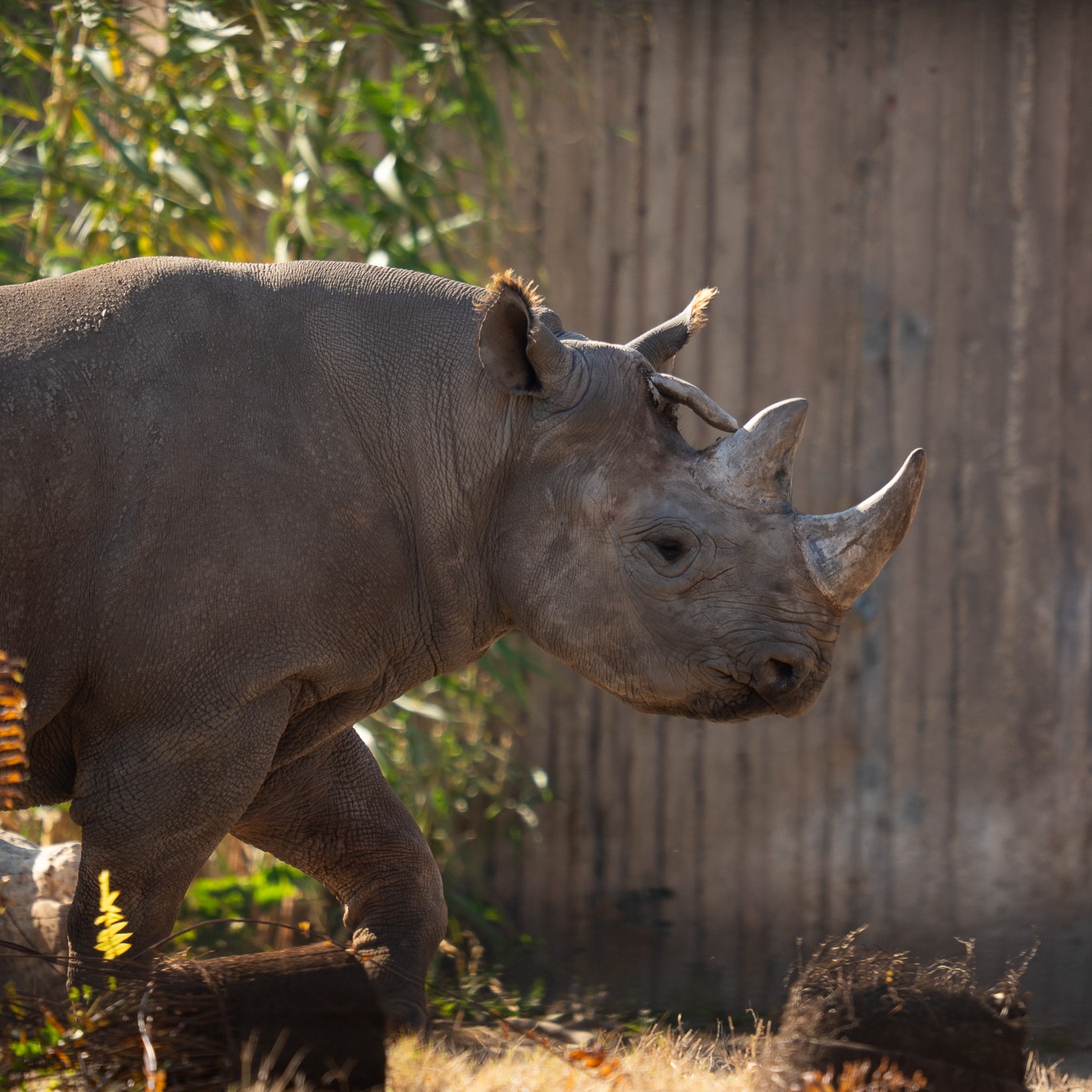
- The significance of KJ’s third horn and its implications
- The importance of positive reinforcement training in animal care
- The role of zookeepers in managing animal health and wellness
- Conservation efforts surrounding rhinoceroses and their habitats
- The impact of public engagement and awareness on wildlife protection
KJ, a remarkable rhinoceros, has captured the attention of many not just because of his large size, but also due to the unexpected presence of a third horn. This unusual feature has captivated the interest of both the community and wildlife experts alike. A third horn is a rare occurrence among rhinoceroses, which can bring about unique health and management challenges. It is essential to closely monitor this horn’s growth and to address the potential issues that may arise as it continues to develop.
The significance of KJ’s additional horn goes beyond aesthetics. In nature, horns are primarily used for defense and display in social structures. As this horn continues to grow, it has the potential to cause discomfort or health complications for KJ if it becomes too long or uneven. This is where proactive management becomes crucial. By monitoring horn growth, staff can act before complications arise, maintaining KJ’s health and well-being. The comprehensive understanding of rhinoceros biology allows the care team to predict challenges and approach management with a preventative mindset.
Positive reinforcement training is integral to the care of animals such as KJ. This method involves rewarding desired behaviors rather than punishing undesired ones, creating a trusting relationship between animals and their caretakers. With respect to KJ’s unique circumstances, the training sessions focus on desensitization to various tools, specifically the dremel. Many may wonder why this training is vital for KJ. The answer lies in the necessity of regular horn trimming to maintain comfort and health. Using a dremel allows for a safe and controlled approach to keep KJ’s third horn from causing undue stress or injury.
Zookeepers are not just caretakers; they are trained professionals dedicated to the health and wellness of the animals in their charge. Their roles include observing animal behavior, veterinary care, feeding, and implementing training programs. In the case of KJ, zookeepers play a critical role in monitoring his horn growth and ensuring that he remains comfortable during interactions. They assess his behavior consistently and adapt training techniques to meet his evolving needs.
Furthermore, the broader context of rhinoceros conservation cannot be overlooked. With many species of rhinos facing the threat of extinction due to poaching and habitat loss, understanding how to manage their physical health is more important than ever. The educational process surrounding animals like KJ helps raise awareness about the pressing issues these animals face in the wild. Public engagement is necessary to foster a sense of responsibility and urgency toward wildlife protection.
Through their engagement with KJ, visitors can learn about rhinoceroses and contribute to conservation efforts. Educational programming often includes workshops that explain the challenges related to wildlife habitats, including how human actions impact these majestic creatures. By sharing KJ’s journey, zookeepers create a ripple effect of awareness that can lead to greater support for conservation initiatives.
KJ’s training sessions are not just about grooming; they are also opportunities for education. Visitors may witness these sessions, allowing them to understand how training integrates into overall animal care. The sight of KJ learning to tolerate a tool like a dremel exemplifies the positive training methods that lead to successful outcomes for both animal and keeper. It demonstrates a commitment to animal welfare that reflects broader ethical standards in zoology.
The unique aspect of managing a rhinoceros with an unusually growing third horn requires specialized knowledge. Veterinary experts must examine the horn frequently to determine its growth pattern. Careful attention to detail in observing KJ’s behavior helps in identifying any distress that may relate to his horn. This practice is essential and showcases how animal husbandry requires a blend of science and intuition.
Veterinary care extends past just routine check-ups. Should surgical intervention be necessary, prior training ensures KJ remains calm during such critical moments. This lays the groundwork for more complex procedures if required in the future. Most importantly, proactively teaching him to accept handling techniques that may seem intimidating reflects a balanced approach to zoo management.
Moreover, rhinoceros horn has often been the target of illegal wildlife trade; thus, its management is tied to larger conservation issues. As KJ’s third horn grows, discussions surrounding the ethical implications of horn use and its trade can engage the public in meaningful ways. Combating attitudes that contribute to poaching involves education about the value of living rhinos versus the myths surrounding horn possession.
The significance of KJ’s story extends beyond just his dimensions. He serves as an ambassador for his species. His background, behavior, and well-being allow visitors a glimpse into the lives of rhinoceroses. Understanding his unique traits, such as his third horn, can kindle a passion for wildlife conservation among audiences young and old.
Encouraging dialogue around species preservation is vital, especially when species like KJ’s face an uphill battle against extinction. His existence challenges people to contemplate their roles in conservation efforts. Community involvement, whether through patient observation or financial support for wildlife reserves, underscores the importance of collaboration in safeguarding biodiversity.
Furthermore, increased visibility for rare cases like KJ necessitates transparency from zoos and conservation organizations. Establishing partnerships with educational institutions enhances the learning experience for visitors while fostering ties to ongoing research. It reinforces the idea that the zoo is not only a place for display but also a hub for knowledge creation and dissemination.
As KJ’s keepers utilize innovative training techniques, they represent a shift in how animal management is approached. The commitment to addressing KJ’s health concerns proactively stands as a testament to contemporary wildlife care practices. The dynamic nature of KJ’s training program is always adaptable, underscoring the vital role that keepers play in animal wellness. This methodology nurtures trust and cooperation, essential components of successful animal interactions.
In the context of wildlife conservation, KJ’s case underlines the necessity of collaborations that extend beyond individual institutions. Partnerships with advocacy groups, community outreach programs, and global conservation efforts enhance wildlife conservation initiatives. Engaged efforts can lead to habitat restoration projects or awareness campaigns aimed at reducing human-wildlife conflict.
Ultimately, KJ’s journey makes an impassioned case for increasing focus on species rehabilitation and habitat preservation. Each interaction with KJ provides insights that can help formulate more effective conservation strategies. Encouraging conversations about rhinoceroses serves dual purposes: educating the public and motivating action against wildlife crime.
The unique challenges of managing and caring for an animal like KJ require attention to detail and a comprehensive understanding of animal behavior. His well-documented training process not only serves to protect him but exemplifies broader wildlife care practices.
KJ’s story is more than just a singular narrative; it’s a call to action. The integration of animal care, public engagement, and conservation efforts fosters enhanced awareness about the plight of rhinoceroses and other endangered species. Through increased public education and transparency, there is hope for a future where both animals like KJ and their habitats thrive.
*****
Source Description
Have you seen KJ lately? 🦏
Not only is he HUGE, but his unique third horn is continuing to grow!
Our keepers are currently using positive reinforcement to train him to be comfortable around a dremel tool so we can safely trim the horn back when necessary. This proactive approach ensures his long-term comfort and prevents any issues as it continues growing.
