
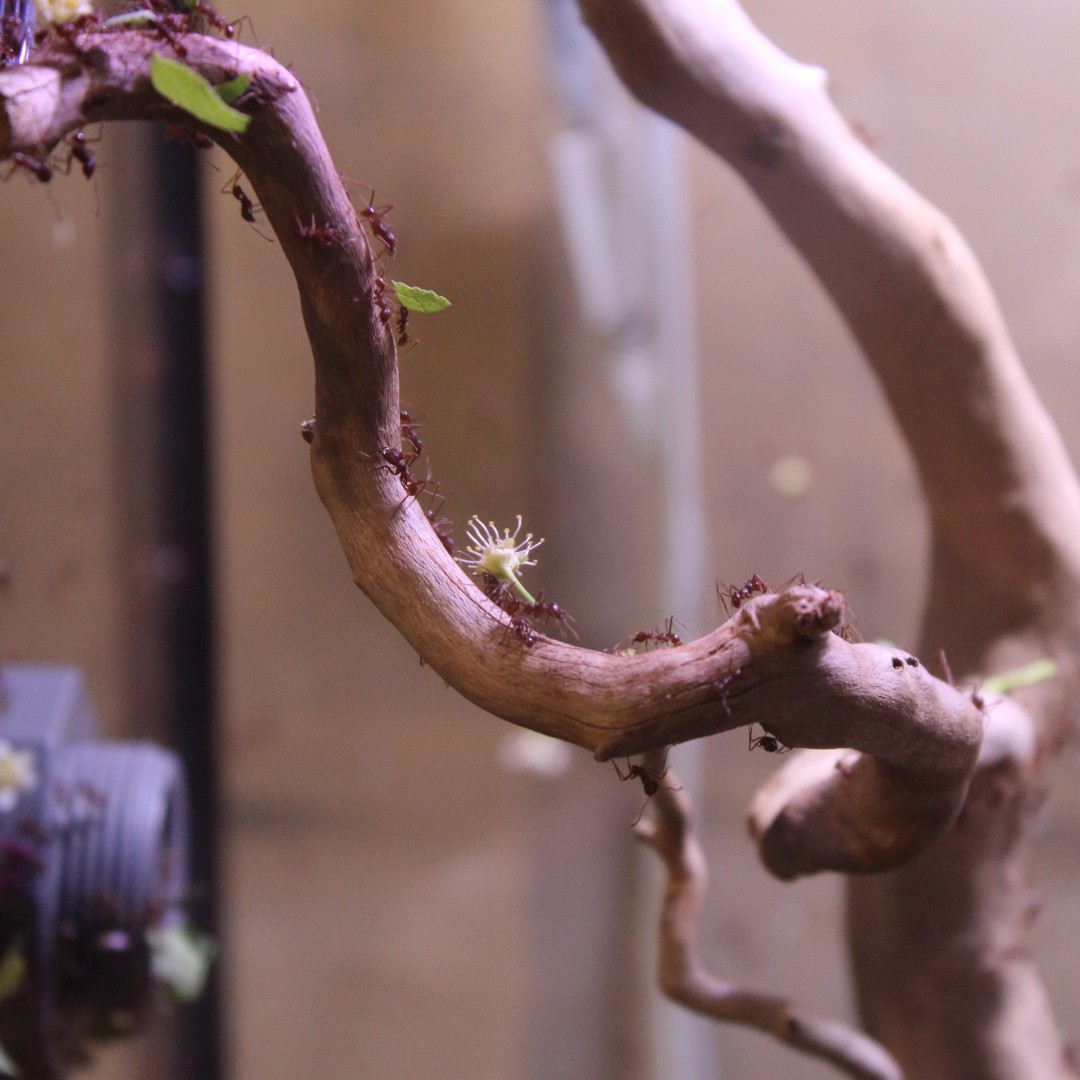
- Leafcutter ants as agricultural innovators, creating a unique symbiotic relationship with fungi.
- The impressive physical capabilities and behaviors of leafcutter ants.
- Specialized castes and their roles within the ant colony.
- The ecological impact of leafcutter ants and insight into their conservation.
- Opportunities for observation and engagement with leafcutter ants at Butterfly Pavilion.
Leafcutter ants are remarkable insects that operate as nature’s tiniest farmers. These industrious creatures are not simply gatherers of leaves; they engage in a sophisticated agricultural practice. By cutting and carrying leaves back to their underground nests, they cultivate a specific type of fungus that serves as a primary food source. This symbiotic relationship between leafcutter ants and fungi reflects an extraordinary evolution in behavior and mutual dependency. The ants provide the fungus with nutrient-rich organic material, while the fungus, in turn, offers sustenance for the colony. This unique partnership has garnered significant scientific interest due to its complexity and efficiency.
One of the most astonishing features of leafcutter ants is their remarkable physical ability. They can lift objects weighing up to 50 times their body weight. This extraordinary strength is made possible by their powerful mandibles, which are specifically adapted for cutting and carrying foliage. The collective effort of the colony amplifies their capabilities, allowing them to transport large quantities of plant material simultaneously. As they traverse the forest floor, you can observe a continuous stream of ants, engaged in an intricate ballet of industry. Their movements are not random; they are systematic, with workers communicating pheromones to direct others, indicating the best routes and informing about potential threats.
In a leafcutter ant colony, there exists a complex social structure consisting of specialized castes: the workers, soldiers, and reproductive individuals. Each caste plays a crucial role in the functioning of the colony. Worker ants, the smallest members, are primarily responsible for foraging, cutting leaves, and nurturing fungal crops. They are incredibly efficient, often working in teams to transport leaves while maintaining a heightened sense of awareness to protect against predators.
Soldier ants, on the other hand, are larger and possess formidable mandibles designed for defense. Their primary function is to guard the colony against intruders, such as parasitic wasps or rival colonies. The presence of soldier ants allows the worker ants to focus on tasks essential for colony growth and maintenance without the constant fear of attack.
In contrast, the reproductive caste consists of the queen and the male ants. The queen is responsible for laying eggs and ensuring the colony’s future, while male ants have one primary task: mating. After fulfilling their role, male ants typically die shortly thereafter, having completed their purpose. The successful functioning of the colony hinges on the efficient cooperation among all castes.
Ecologically, leafcutter ants play a vital role in their environments. By forging leaves and breaking down plant litter, they contribute significantly to nutrient cycling within ecosystems. Their activities help aerate the soil and promote plant growth, supporting biodiversity. Moreover, they act as prey for various animals, including birds, mammals, and reptiles, thus integrating themselves into the food web.
While leafcutter ants are crucial players in their ecosystems, their existence is not without challenges. Habitat destruction, climate change, and the use of pesticides have adverse effects on their populations. As their habitats decline, their agricultural practices and contributions to biodiversity become threatened. Understanding the ecological roles of leafcutter ants is essential for wildlife conservation efforts. By protecting their habitats, we can help maintain not only their populations but also the broader ecosystems in which they live.
For those interested in observing these fascinating insects in action, the Butterfly Pavilion offers a unique opportunity. At their interactive displays, visitors can witness leafcutter ants as they diligently work to cut and carry leaves. The pavilion provides an educational platform that emphasizes both the scientific aspects of leafcutter ant behavior and their role in ecosystem health. Engaging with these tiny farmers allows for a deeper appreciation of their contributions to the environment.
In addition to observation, organizations like the Butterfly Pavilion advocate for conservation initiatives that focus on preserving ant habitats. Educational programs raise awareness about the importance of biodiversity and encourage proactive steps to protect various species, including leafcutter ants. Learning about these insects can inspire individuals to consider their choices and how they impact natural habitats.
The leafcutter ant is a fascinating subject of study within the fields of evolutionary biology, agriculture, and ecology. Their ability to cultivate fungus and live in highly structured social colonies reflects an intricate understanding of mutualism and cooperation. This is not merely a story of ants cutting leaves; it is about an entire ecosystem’s complexity and the interconnectedness of life.
Recognizing the contributions of these small but mighty farmers enhances our understanding of biodiversity and wildlife conservation. As we make strides toward sustainable practices and habitat preservation, we become part of the story of the leafcutter ant and the ecosystems they support. Engaging with both nature and education offers opportunities to reflect on our environmental responsibilities.
Visitors to the Butterfly Pavilion are encouraged to explore the interactive exhibits featuring leafcutter ants and other fascinating species. By learning about their behavior and ecological significance, we can better appreciate the intricacies of nature. Understanding and respecting these tiny farmers contribute to wildlife conservation and enhance our knowledge of the natural world.
Leafcutter ants continue to be subjects of extensive research, revealing new insights into their agricultural practices and social structures. As scientists study their behaviors, we gain a clearer picture of how such small creatures can significantly impact their environments. The ongoing examination of their relationships with fungi and other organisms may further inform agricultural practices and biodiversity conservation strategies in human contexts.
The world of leafcutter ants is intricate and scientifically rich, presenting an ongoing opportunity for exploration. Visitor engagement, research, and conservation efforts work together to ensure that these remarkable insects continue to thrive. Whether observing them live at the Butterfly Pavilion or studying their ecological contributions, the intrinsic value of leafcutter ants deserves recognition and protection. The future of these incredible insects is tied to our commitment to understanding and preserving the natural world they inhabit.
*****
Source Description
Meet nature’s tiniest farmers, Leafcutter ants! These incredible insects can lift up to 50 times their body weight and work together with military-like precision. Watch them cut and carry leaves, not to eat, but to grow fungus, twitch feed the larvae raised in the ant colony! With specialized castes for cutting, defending, and raising young, Leafcutter ants are stronger and smarter than they look.
Visit app.zoolife.tv/h/butterfly-pavilion/leafcutter-ants to watch them live in action or book your visit today!
