
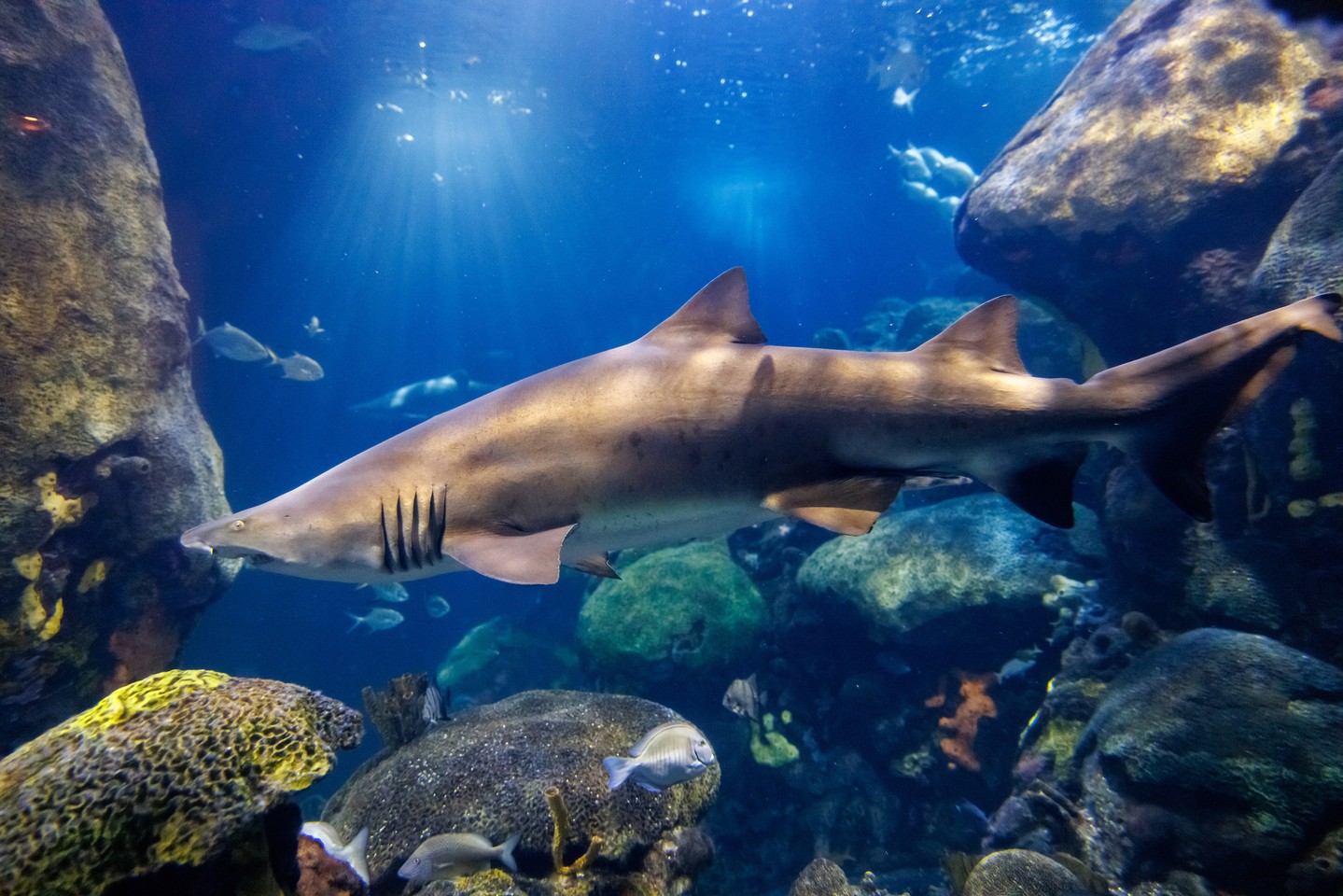
- The Secret Reef exhibit, inspired by the Flower Garden Banks National Marine Sanctuary, highlights the diversity of marine ecosystems.
- Understanding the significance of Flower Garden Banks as a vital habitat for aquatic life and its conservation efforts.
- Importance of World Reef Day and practical steps individuals can take to protect coral reefs.
- The role of zoos and aquariums in promoting wildlife conservation and public education.
- The impact of single-use plastics on marine environments and strategies for reduction.
The Secret Reef exhibit, a brilliantly conceived 618,000-gallon marvel, captures the essence of a place both vibrant and critical—the Flower Garden Banks National Marine Sanctuary. Nestled 100 miles off the Gulf Coast of Texas and Louisiana, this Sanctuary, with its 17 reefs and banks, showcases a rich tapestry of marine diversity within its 19 protected areas. As a model of this thriving ecosystem, the Secret Reef connects curious minds to the wonders beneath the waves, emphasizing the critical role these habitats play in oceanic health.
The Flower Garden Banks stand as a testament to the resilience and biodiversity of coral reef ecosystems. Each reef and bank supports an array of marine life, offering a sanctuary for species ranging from colorful corals to majestic manta rays. These reefs thrive despite their location in relatively temperate waters, highlighting their adaptability. The area serves as both a habitat and a breeding ground, maintaining delicate marine life balance. Protecting such environments is not just beneficial but essential for the sustainability of global biodiversity.
On World Reef Day, the spotlight turns to the actions each of us can take to preserve these magnificent ecosystems. One straightforward approach involves reducing reliance on single-use plastics. Plastics are a major threat, finding their way into waterways and eventually reaching the oceans. This pollution endangers not only coral reefs but all aquatic life. Cutting down on plastics through reusable alternatives can significantly reduce this threat, safeguarding these vital marine habitats for future generations.
Zoos and aquariums play a pivotal role in conservation efforts, serving both educational and protective functions. Exhibits like the Secret Reef provide an immersive experience, encouraging a deeper understanding and appreciation of marine life. By simulating natural environments, they offer a controlled space for breeding programs aimed at sustaining endangered species. Furthermore, these institutions are incubators of public awareness, inspiring visitors to actively participate in conservation efforts.
Addressing the menace of single-use plastics involves both individual and collective actions. Switching to sustainable products, participating in clean-up initiatives, and advocating for stricter regulations are effective strategies. Public education campaigns amplify these efforts, creating a ripple effect that extends far beyond individual actions. The fight against plastic pollution is a global one, requiring a combined force of policy and personal responsibility.
Flower Garden Banks, with its intricate ecosystems, serves as a beacon of what is possible when nature is preserved and respected. It illustrates the profound impact of marine sanctuaries in fostering biodiversity and highlights the urgency of protecting these areas. As we celebrate World Reef Day, let us commit to fostering a future where wildlife thrives, and our actions reflect a deep respect for the watery worlds that sustain us all.
*****
Source Description
Did you know our 618,000-gallon Secret Reef exhibit is modeled after a real place? Located 100 miles off the coast of Texas and Louisiana, the Flower Garden Banks National Marine Sanctuary consists of 17 reefs and banks enclosed in 19 distinct boundaries. This protected marine sanctuary is a vital habitat for aquatic life.
This World Reef Day, you can help keep coral reefs like Flower Garden Banks safe by taking simple steps like reducing your reliance on single-use plastics that pollute our freshwater rivers and streams. Remember: all waterways eventually lead to the ocean!
