
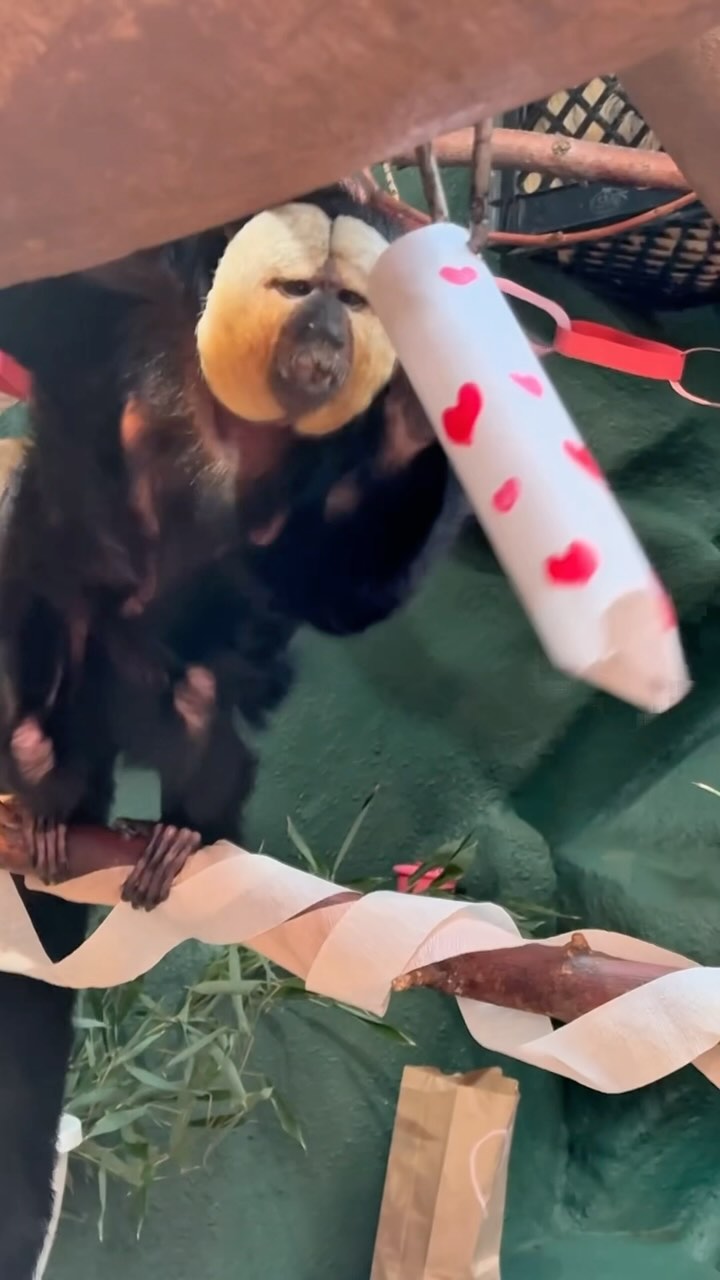
- Importance of animal enrichment in zoos
- Types of enrichment activities and their benefits
- Case studies of specific species and their favorite enrichments
- The role of zoo management in implementing enrichment programs
- Contributions of animal enrichment to wildlife conservation
Animal enrichment is a critical aspect of modern zoological management, designed to enhance the well-being of animals in captivity by promoting natural behaviors and maintaining physical and mental health. By simulating environments and conditions that animals might encounter in the wild, enrichment activities encourage exploration, problem-solving, and interaction, which are essential for the health and happiness of zoo inhabitants.
Enrichment comes in various forms, tailored to the unique needs and natural instincts of different species. Common enrichment types include sensory stimulation, food enrichment, social interaction, cognitive challenges, and physical activities. Sensory enrichment involves objects or scents that stimulate an animal’s senses, like herbs and oils for olfactory stimulation or wind chimes for auditory stimulation. Food enrichment requires animals to forage, hunt or solve puzzles to access their meals, mimicking natural harvesting behaviors. Social enrichment involves interacting and creating bonds with other animals, beneficial for species with complex social structures. Cognitive challenges, such as puzzles and problem-solving tasks, stimulate the animals’ brains, encouraging learning and adaptation. Physical enrichment, through activities like climbing structures and playing with balls, ensures animals remain active and fit.
One popular enrichment activity is the use of ball pits. While seemingly simple, they offer a dynamic environment for exploration and play. For example, otters are known to engage enthusiastically with ball pits, diving and burrowing among the balls, which mimics natural behaviors like hunting for fish in shallow water bodies. These activities provide physical exercise, stimulate problem-solving skills, and encourage play, which is vital for social bonds within groups.
Puzzles are another staple of animal enrichment. They’re often used to challenge the problem-solving abilities of primates, big cats, and even more cognitive species like crows and parrots. These puzzles usually contain food rewards that animals must work to access, simulating the foraging or hunting challenges they would encounter in their natural habitats. For instance, chimpanzees may be given complex structures to disassemble or manipulate to retrieve treats. Such tasks provide both mental and physical stimulation, promoting cognitive development and preventing boredom.
Various species have distinct preferences for enrichment activities, which reflect their natural behaviors and ecological roles. Lions and tigers, as apex predators, benefit significantly from enrichment that simulates hunting. This includes using large frozen treats that they must lick through to get to the meat or dragging toys that mimic the thrill of a chase. These activities are not merely entertaining; they prevent these big cats from devolving into lethargy, maintaining their agility and reflexes similar to their wild counterparts.
Zoo management plays a crucial role in the successful implementation of enrichment programs. It requires a deep understanding of animal behavior, natural history, and ecological needs to create and maintain effective enrichment protocols. Collaboration between zookeepers, veterinarians, and animal behaviorists ensures that the enrichment strategies remain dynamic and responsive to the animals’ changing needs and behavioral cues. Research and observations provide insights into what works best for each species, allowing zoos to refine their approaches continually.
Enrichment programs contribute significantly to wildlife conservation efforts. By maintaining animals’ natural behaviors in captivity, zoos can support breeding programs for endangered species, ensuring that individuals remain capable of survival in the wild if reintroduced. Furthermore, valuable data collected through these programs when animals engage with various enrichment tasks can inform conservation strategies by enhancing our understanding of their behavior and requirements.
In summary, animal enrichment is an essential facet of zoo management. By offering choice and encouraging natural behaviors through activities like ball pits and puzzles, enrichment keeps animals active, curious, and engaged. These efforts provide the cornerstone of ethical animal care, ensuring the physical and psychological well-being of animals in captivity while also supporting broader wildlife conservation objectives. As we continue to refine these practices, the knowledge gained will enhance our ability to protect and preserve the rich tapestry of life that shares our planet.
*****
Source Description
🌿🐾 Meet some of our animals AND check out their go-to enrichments! 🦦 From ball pits to puzzles, these stimulating activities offer choice and encourage natural behaviors. They keep our animals active, curious, & engaged. 🧩✨
