
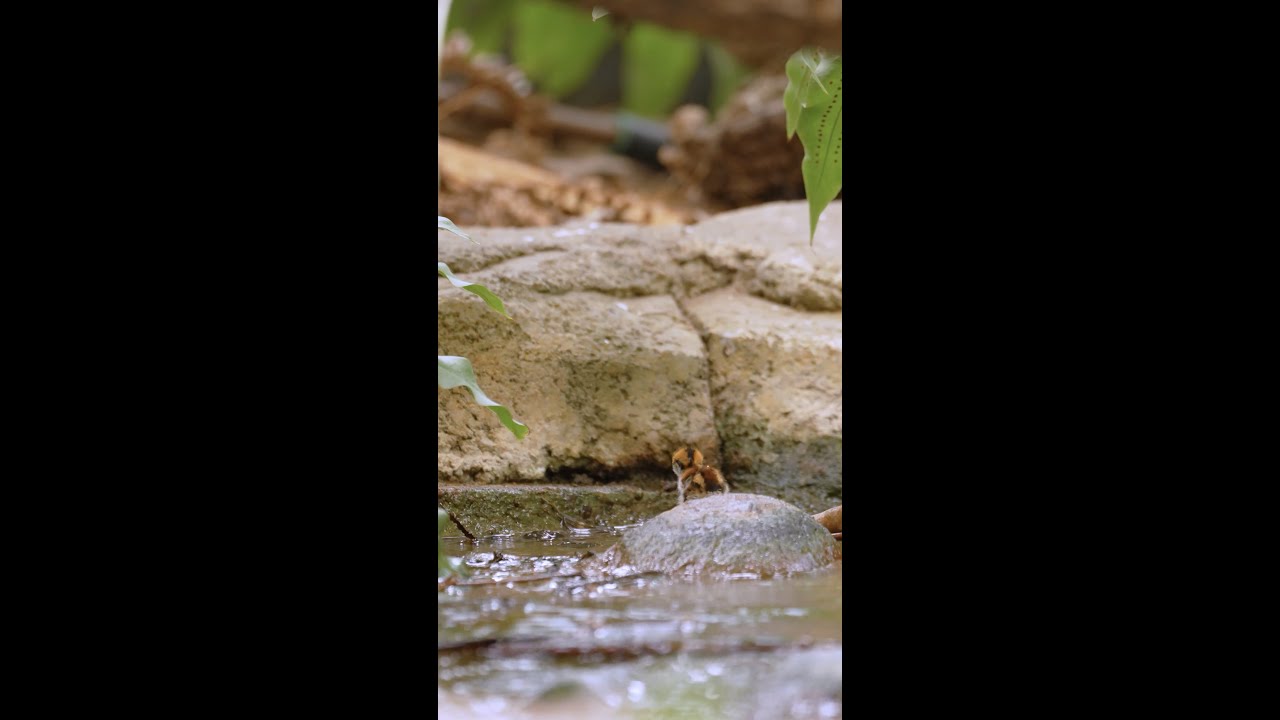
- Importance of breeding programs in zoology and wildlife conservation
- Detailed biological characteristics and taxonomy of the new chick
- Role of zoos in education and public engagement
- Conservation efforts and habitat preservation
- Impact of new arrivals on zoo management and visitor experience
The arrival of a new chick at a zoo is a momentous event, symbolizing much more than just an addition to the animal roster. It represents the success of breeding programs that are vital for the preservation of species. These initiatives are crucial to counteract habitat loss, climate change, and other threats that many species face in their natural environments. Breeding programs are meticulously planned, with detailed records of genetics and ancestry, ensuring genetic diversity and species health. This is particularly important for endangered species, where each birth holds significant implications for the entire population.
When a new chick is born in a zoo, it offers a remarkable opportunity to explore the biological characteristics and taxonomy of the species. Understanding the intricacies of a bird’s development from egg to hatching provides insights into avian biology and evolution. The chick’s development is a complex process influenced by genetics, incubation conditions, and environmental factors. Examining its physical characteristics, such as plumage, beak shape, and vocalizations, helps in identifying its taxonomy and understanding its place in the broader avian hierarchy. Observing these traits allows both scientists and enthusiasts to appreciate the richness of avian biodiversity.
Zoos play a pivotal role in education and public engagement. The arrival of a new chick becomes an educational tool, drawing visitors who are eager to learn more about wildlife and conservation. Informative exhibits and interactive programs can captivate audiences, fostering a connection between people and nature. Through these educational efforts, zoos inspire future conservationists and promote awareness about the challenges facing wildlife. The new arrival can serve as a real-life example of conservation success, engaging visitors in a narrative that highlights the delicate balance of ecosystems and the role humans play in their stewardship.
Conservation efforts extend beyond the zoo, emphasizing the importance of habitat preservation. Protecting the natural environments of birds ensures their survival outside captivity. Conservationists work with governments and organizations to establish protected areas, restore habitats, and implement policies that mitigate human impact. These efforts aim to create sustainable environments where species can thrive naturally. By supporting these initiatives, zoos contribute to broader conservation strategies, demonstrating their commitment to the survival of species in the wild.
The impact of new arrivals on zoo management and visitor experience cannot be overstated. A new chick can rejuvenate interest and increase visitation, providing critical revenue that supports both the zoo and its conservation initiatives. The presence of a young animal often energizes the zoo environment, creating excitement among staff and visitors alike. Zoo management must adapt to the needs of the newborn, from modifying habitats to ensuring proper nutrition and care. This dynamic environment provides an opportunity to showcase the commitment to animal welfare and the innovative practices employed to maintain healthy, thriving populations. The chick out this new arrival can be a central piece of an engaging narrative that draws visitors into the world of wildlife conservation and zoo management.
For educational institutions, researchers, students, and animal lovers, the arrival of a chick represents a tangible link to the natural world and the ongoing efforts to conserve it. Through detailed examination and public engagement, we connect deeply with the animal kingdom, understanding both the challenges and triumphs that come with the responsibility of caring for our planet’s diverse inhabitants.
*****
Source Description
A new wattled jacana chick has hatched at the San Diego Zoo, and those little feet are making big moves. With long toes perfect for walking on lily pads and a devoted dad keeping a watchful eye, this tiny adventurer is ready to explore. Stop by and say hello to this duo the next time you’re at the Hummingbird and Songbird Habitat.
#wattledjacana #sandiegozoo #birds
