
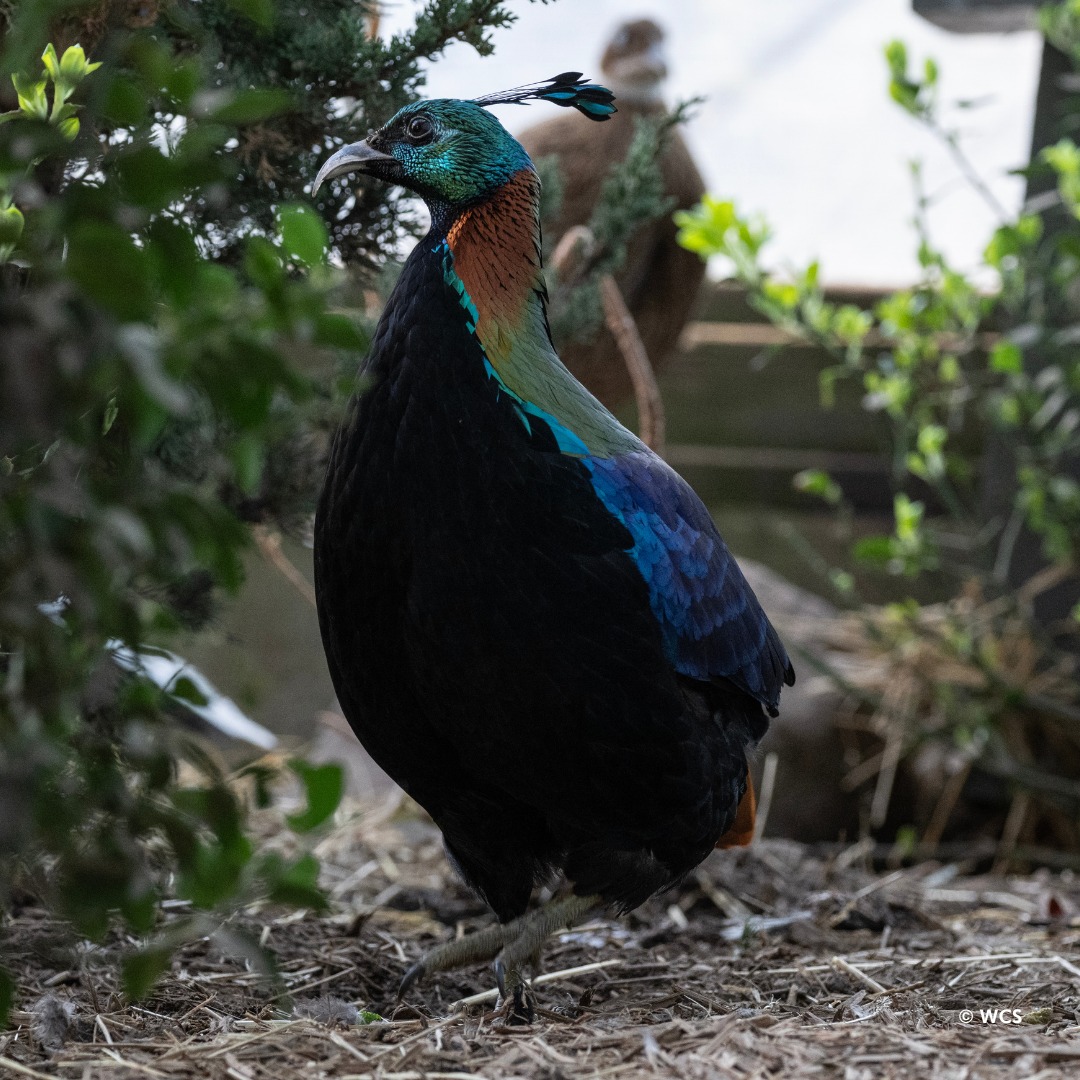
- The Himalayan monal, known for its iridescent plumage, is a remarkable bird native to the Himalayan region.
- The species holds cultural significance and is the national bird of Nepal, symbolizing beauty and resilience.
- Conservation efforts are crucial for preserving the monal’s habitat, which faces threats from human activities.
- Understanding the biology and behavior of the Himalayan monal provides insights into its ecological role.
- Sustainable tourism and education can contribute to the protection and appreciation of this striking bird.
The Himalayan monal, often celebrated as the ‘nine-colored bird,’ is an avian marvel gracing the high-altitude regions of the Himalayas. With its striking iridescent plumage, the male Himalayan monal showcases a spectacular array of colors, making it a visual spectacle in its natural habitat. Native to countries such as Nepal, India, and Bhutan, the monal thrives in the alpine meadows and temperate forests of these mountainous regions.
The male Himalayan monal is easily recognizable by its vibrant plumage, which exhibits hues of blue, green, and gold, among others. This dazzling appearance is a result of iridescence, a phenomenon caused by microscopic structures on the feathers that refract light, rather than pigments. The female, in contrast, exhibits more subdued browns and blacks, offering effective camouflage against predators.
Culturally, the Himalayan monal holds significant importance. It is the national bird of Nepal, where it symbolizes beauty, peace, and determination. The bird’s reputation extends to its status in folklore and traditional narratives, often embodying themes of freedom and vitality. Such cultural connections enhance the value of conserving this species for both ecological and anthropological reasons.
Conservation is a crucial topic for the Himalayan monal. The bird’s habitat is under threat from deforestation, agricultural expansion, and infrastructure development. Habitat loss not only reduces the space available for the monal but also fragments populations, leading to decreased genetic diversity and increased vulnerability. Efforts to preserve this habitat involve a combination of legislative protection, habitat restoration, and community engagement. Promoting awareness about the ecological importance of the Himalayan monal fosters a supportive environment for conservation initiatives.
Biologically, the Himalayan monal is a member of the pheasant family, Phasianidae. It plays a vital role in its ecosystem, aiding in seed dispersal and serving as prey for larger predators. These ecological interactions highlight the importance of the monal in maintaining the health and balance of its environment. By studying the monal’s feeding habits, reproductive patterns, and social behaviors, conservationists can develop effective strategies to support its survival.
Education and sustainable tourism are instrumental in preserving the Himalayan monal. By promoting eco-friendly travel to its natural habitats, tourists can generate revenue that supports local communities and conservation projects. Education initiatives can focus on the ecological significance and cultural heritage of the monal, encouraging local populations to take pride in protecting this avian treasure. Engaging communities creates a shared responsibility for conservation, ensuring that the Himalayan monal remains a vibrant part of the Himalayan ecosystem for generations to come.
The Himalayan monal is not merely a bird of stunning beauty but an integral component of its ecosystem and an emblem of cultural significance. Comprehensive conservation strategies, incorporating habitat protection, community involvement, and education, are essential in securing a future for this splendid bird. By appreciating its biological, ecological, and cultural attributes, we can foster a global effort to protect the Himalayan monal and sustain the rich biodiversity of the regions it inhabits.
*****
Source Description
This stunning bird is a Himalayan monal and is sometimes known as the ‘nine-colored bird’ due to the iridescent plumage on the neck and wings of the adult male.
📸: WCS photographer, Terria Clay
