
- Overview of the Audubon Insectarium and its significance in insect conservation
- Understanding bumble bee ecology and behavior
- The unique features of the bumble bee colony exhibit
- The role of bumble bees in ecosystems and agriculture
- Conservation efforts and the importance of public engagement
The Audubon Insectarium, part of the Audubon Nature Institute in New Orleans, serves as an ambassador for insect conservation. As the largest free-standing museum dedicated to insects in North America, it plays a pivotal role in educating the public about the significance of insects in our ecosystems. Among its many exhibits, one of the most captivating is the bumble bee colony. This living display offers visitors an immersive encounter with these essential pollinators and highlights their critical role in maintaining biodiversity.
Bumble bees belong to the genus Bombus and are distinct from honey bees, particularly regarding their nesting habits and colony sizes. Bumble bees typically build their nests underground, often using abandoned rodent burrows. These nests host a small population, usually ranging from 200 to 300 individuals, which contrasts sharply with honey bee colonies that can number in the tens of thousands. This smaller social structure emphasizes the cooperative nature of bumble bees while also showcasing their vulnerability. As solitary or semi-social insects, their survival relies heavily on collective effort during the brief duration of their colony lifecycle.
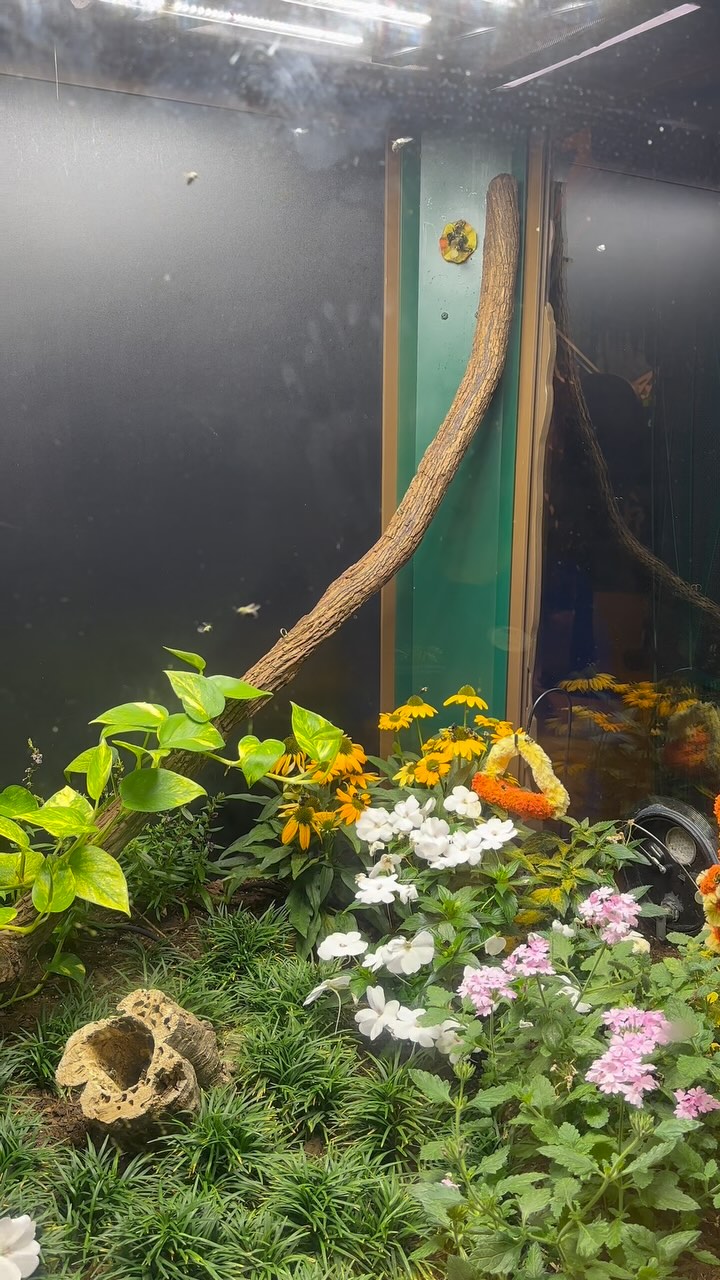
Within the Audubon Insectarium, the bumble bee colony is a self-sustaining ecosystem. This exhibit utilizes a thoughtfully integrated design that includes a grow light for the plants that the bees rely on for nectar and pollen. The plants are crucial to the colony’s health, as they represent the primary food source for bumble bees. In addition to the grow light, an automatic watering system maintains optimal moisture levels, ensuring that the plants thrive and provide continuous nourishment for the bumble bee colony.
Visitors can observe how bumble bees interact with their environment, showcasing their foraging behavior. These bees are known for their lively and industrious nature. They are effective pollinators, thanks to their ability to vibrate their bodies, a process known as buzz pollination. This technique releases pollen that is otherwise tightly attached to the anthers of certain plants, making bumble bees highly efficient in pollinating crops and wildflowers. The exhibit at Audubon Insectarium allows for firsthand observation of these behaviors, transforming the experience into a learning opportunity.
The importance of bumble bees extends beyond mere pollination. These insects play a vital role in sustaining ecosystems by supporting plant biodiversity. In agricultural contexts, their contributions are critical for the production of various fruits, vegetables, and nuts. Studies have shown that crops reliant on bumble bee pollination often yield better quality and higher quantities of produce. Farmers and agriculturalists appreciate their role, and many have started to recognize the necessity of maintaining healthy bee populations for sustainable farming practices.
Despite their crucial contributions to the ecosystem, bumble bee populations have been in decline due to various factors. Habitat loss, pesticide exposure, climate change, and disease are significant threats to their survival. Awareness of these challenges is essential for fostering engagement in conservation efforts. Organizations and institutions like the Audubon Insectarium are working to educate the public and inspire proactive measures to protect these important pollinators.
While the bumble bee colony in the Audubon Insectarium is a showcase of these challenges, it also symbolizes hope. By presenting the complexities of bumble bee life in an engaging environment, the Insectarium aims to foster understanding and promote appreciation for all insects. The exhibit not only informs visitors about bumble bee anatomy, behavior, and ecology but also calls attention to conservation methods necessary for protecting their habitats.
Public engagement is crucial for conservation efforts. The Audubon Insectarium serves as a platform for outreach, emphasizing the need for community involvement in protecting local environments. Educational programs, workshops, and special events are integral parts of this mission, empowering individuals to make informed choices that positively impact biodiversity.
The bumble bee colony is a reminder of the interconnectedness of life. It is not only an educational tool but also a vivid display of the resilience of nature. Every visitor who observes the bustling activity within the colony becomes part of a larger conversation about environmental stewardship. By educating the public about bumble bees and the challenges they face, the Audubon Insectarium is laying the groundwork for future generations to appreciate and protect these essential creatures.
Research has consistently shown that bumble bees are sensitive indicators of environmental health. Their presence or absence can reflect the state of local ecosystems. This characteristic underscores the importance of monitoring bumble bee populations and striving for measures that promote their well-being. The Insectarium is involved in various research initiatives aimed at gauging the status of bumble bees in urban areas, thus contributing valuable data to the broader scientific community.
In-depth studies on the biology of bumble bees also reveal fascinating insights into their life cycles. Bumble bees undergo a complex life cycle that includes egg, larva, pupa, and adult stages. Each stage is critical, particularly the queen, who begins the cycle anew each spring after hibernating through the winter months. This early start helps bumble bees capitalize on the blooming flowers that feed them, setting the foundation for a new colony.
The Audubon Insectarium showcases a variety of bumble bee species, each adapted to specific environments and flowering plants. This diversity highlights the importance of preserving different plant species and habitats to support myriad bee populations. Educational signage within the exhibit provides insights into the specific species on display, including their ecological roles and behavior. This information not only enriches visitor experience but also enhances understanding of the broader implications of bumble bee conservation.
As the scientific community continues to explore the nuances of bumble bee biology and behavior, ongoing education remains essential. Conservation groups and educational institutions must work collaboratively to develop and disseminate materials that raise awareness. This synergy helps foster a culture of respect and care for the natural world, creating a legacy that will endure for generations to come.
Understanding the vital link between bumble bees, plants, and overall ecosystem health reinforces the idea that conservation is an ongoing effort requiring collective participation. The Audubon Insectarium serves as a beacon for those interested in engaging with the natural world. It invites visitors to appreciate the intricate relationships that define life, urging them to consider the impact of their choices.
By nurturing an environment where visitors can learn about and engage with bumble bees, the Audubon Insectarium encourages a shift in perspective. It promotes the understanding that every small action can contribute to a larger cause. Whether it is planting pollinator-friendly gardens, reducing pesticide use, or advocating for local conservation efforts, individuals play an essential role in protecting bumble bees and their habitats.
The bumble bee colony at the Audubon Insectarium is more than an exhibit; it is a vital resource for education and conservation. By highlighting the ecological significance of bumble bees and fostering public engagement, it empowers individuals to become active participants in the preservation of these important pollinators. Through continued education and outreach, we can all work together to improve the prospects for bumble bees, ensuring their presence for future generations.
The resilience of bumble bees, illustrated through the vibrant life of the colony at the Audubon Insectarium, stands as a powerful reminder of nature’s intricate balance. Each bee buzzing from flower to flower contributes to a larger narrative of survival and interdependence. This story is one worth sharing and preserving.
*****
Source Description
You’ll definitely bee impressed by Audubon Insectarium’s bumble bee colony! 🐝
Why? It’s a fully self-sustaining ecosystem, complete with its own grow light for plants and an automatic watering system. Fun fact: Unlike honey bees, bumble bees nest underground and live in small colonies of just 200–300 individuals.
