
- Understanding the Brachiosaurus: Its Physical Characteristics
- Ecological Role and Feeding Habits
- Significance in Paleontology and Culture
- Conservation and Educational Value at Wildlife Safari Park
- Planning Your Visit: What to Expect
The Brachiosaurus, an iconic giant of the dinosaur age, stands as a beacon of both fascination and education. With its towering neck and impressive stature, this dinosaur invites us to explore its physical characteristics, ecological significance, cultural impact, and its prominent feature in modern conservation efforts. At the Wildlife Safari Park, visitors can engage with this magnificent creature within the context of our new “Dinosaurs Unearthed” walk-through experience.
Understanding the Brachiosaurus: Its Physical Characteristics
The Brachiosaurus is often recognized as one of the tallest dinosaurs, stretching up to 80 feet long and towering over 40 feet in height. Unlike many other sauropods, Brachiosaurus had longer front legs than hind legs, giving it a unique, upright posture. This adaptation meant that its neck could extend high into the trees, reaching up to 16 feet off the ground to feed on vegetation. Fossil evidence indicates that they had a selective diet primarily consisting of conifers, leaves, and other high-growing plants.
The skeletal structure of the Brachiosaurus is uniquely designed for its lifestyle. Its long neck is supported by strong vertebrae, and the limbs are robust, allowing this massive creature to support its weight and size. Additionally, the Brachiosaurus had a relatively small head compared to its body, with large nasal openings positioned on top of the skull. This anatomical positioning implies it might have had a keen sense of smell to locate food sources from higher elevations.
Ecological Role and Feeding Habits
The ecological role of the Brachiosaurus during the Late Jurassic period was pivotal. As a large herbivore, it contributed to the plant community structure by selectively feeding on trees and other vegetation. This feeding behavior helped shape the ecosystem, as it enabled various plant species to thrive by preventing any one species from becoming overly dominant. In turn, this had a cascading effect on numerous other animals that shared its habitat.
The Brachiosaurus utilized its long neck for browsing high in the treetops, allowing it access to food that smaller herbivores could not reach. This feeding strategy reduced competition among herbivores and helped diversify the plant community. By eating vast quantities of foliage, these dinosaurs played a significant role in nutrient cycling, as their waste provided essential minerals back to the soil.
Significance in Paleontology and Culture
Paleontological research has uncovered significant insights into the Brachiosaurus, resulting in key contributions to our understanding of dinosaur evolution. The discovery of Brachiosaurus fossils has allowed scientists to study the anatomy and behaviors of these enormous creatures, leading to important conclusions about their life cycles and habitats.
Interestingly, Brachiosaurus has captured the imagination of the public and has become a cultural icon. The dinosaur has appeared in numerous films, books, and documentaries, most notably in “Jurassic Park.” Its towering stature and gentle demeanor evoke awe and wonder, sparking interest in paleontology among young audiences. This cultural significance provides a powerful platform for educating the public about dinosaurs, evolution, and the importance of fossil records.
Moreover, Brachiosaurus serves an essential role in conversations about conservation and environmental awareness. The majestic image of this towering dinosaur reminds us of our planet’s rich biodiversity and the importance of protecting natural habitats today. Reflecting on the extinction of the dinosaurs inspires conversations about climate change and the conservation of wildlife, highlighting the need for stewardship of our environment.
Conservation and Educational Value at Wildlife Safari Park
At the Wildlife Safari Park, the Brachiosaurus is not just a relic of the past but a tool for education and conservation. The “Dinosaurs Unearthed” walk-through experience is designed to engage visitors in learning about dinosaurs and the ecosystems in which they thrived. This initiative emphasizes the importance of understanding ancient life forms and their roles in ecological systems.
Through interactive exhibits and immersive environments, the park aims to educate visitors about the science of paleontology, fossilization, and what these creatures tell us about Earth’s history. Moreover, it provides insights into biodiversity and the actions we can take today to preserve wildlife habitats.
In addition to exploring the legacy of the Brachiosaurus, the park also promotes active conservation efforts. By fostering an appreciation for ancient life, the park encourages guests to reflect on current environmental challenges, such as habitat destruction and climate change. This blend of education and conservation creates a rich atmosphere where visitors can acknowledge their responsibilities in protecting the planet.
Planning Your Visit: What to Expect
Visiting the Wildlife Safari Park to see the Brachiosaurus is more than just witnessing a lifelike model or exhibit; it offers a memorable educational experience. Guests can expect a fully immersive environment, complete with audio-visual displays that simulate the sights and sounds of the prehistoric era. Walking through the exhibition, visitors will encounter life-sized replicas of Brachiosaurus, complete with contextual information about its behavior, habitat, and ecological importance.
The park also provides scheduled educational talks and guided tours led by knowledgeable staff. These sessions are designed to enhance understanding of the Brachiosaurus and other dinosaurs featured in the exhibit. Engaging with experts will allow guests to ask questions, fostering a deeper appreciation for paleontology and evolution.
Families with children can participate in interactive activities designed to encourage curiosity and learning. Fossil digging pits, educational crafts, and various informational stations create a dynamic environment where hands-on learning is encouraged. This experience embodies the park’s mission of promoting wildlife awareness while honoring the legacy of the dinosaurs.
To provide visitors with a comprehensive understanding of the ecosystem during the era of the Brachiosaurus, additional exhibits focus on the flora and fauna of the time. These areas highlight the interconnected relationships between different species, demonstrating the importance of ecological balance.
Located within a serene natural environment, the Wildlife Safari Park complements the educational experience with opportunities for relaxation and exploration. Visitors are encouraged to take their time, enjoy the scenery, and reflect on the lessons learned from the Brachiosaurus and its environment.
Planning a visit to see the Brachiosaurus at the Wildlife Safari Park ensures an enriching experience that blends education, conservation, and fun. Visitors leave not only with cherished memories but also with a greater understanding of the past and its implications for our present and future.
Experiencing the towering Brachiosaurus amid the educational offerings of the park creates a unique opportunity for engagement and reflection. Through this encounter, guests are challenged to consider their roles as stewards of the Earth, all while marveling at one of the most magnificent creatures that ever walked the planet. With such a rich historical and ecological narrative, the Brachiosaurus serves as a reminder of nature’s grandeur and the ongoing importance of conservation efforts.
*****
Source Description
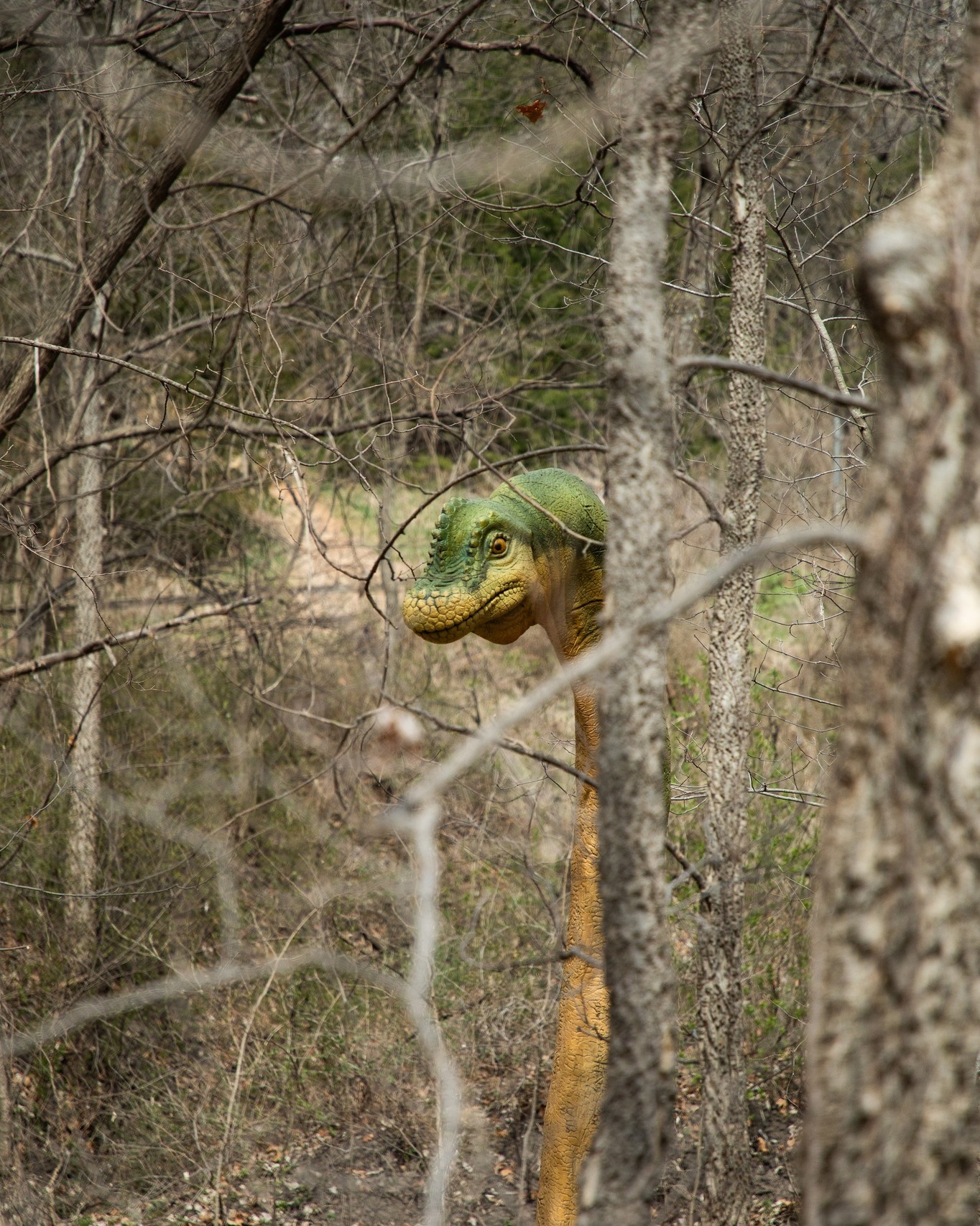
Meet the towering Brachiosaurus!
This tall herbivore is featured in our new Dinosaurs Unearthed walk-through experience. It’s exceptionally long neck allowed it to feed on vegetation over 16 feet off of the ground!
Plan your visit to the Wildlife Safari Park to see, and hear the Brachiosaurs at the Safari Park in the Nation!
