
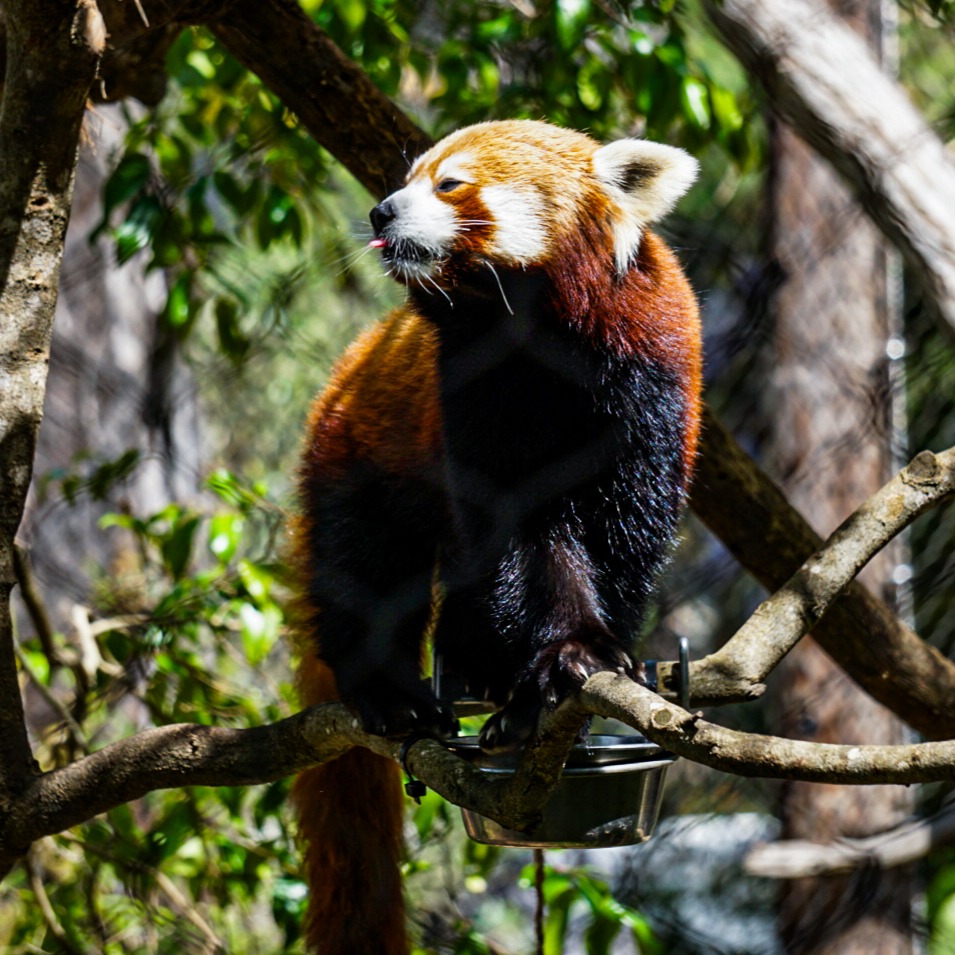
- The Flehmen Response of Red Pandas
- The Role of the Tongue and Olfactory Communication
- Conservation and Environmental Awareness of Red Pandas
- The Extraordinary Habitats of Red Pandas
- The Impact of Zoo Management on Red Panda Welfare
The Flehmen Response of Red Pandas
Red pandas possess an extraordinary adaptation known as the Flehmen response, a behavior enabling them to collect olfactory cues from their surroundings by tasting the air. This involves a complex physiological mechanism where the red panda, with nostrils closed, extends its tongue to trap scent particles. This process helps them interpret environmental information critical for survival, such as detecting food sources and recognizing the presence of other animals. This response highlights the intricate ways animals adapt for survival.
In the broader zoological context, the Flehmen response is not exclusive to red pandas but is common among various mammalian species. However, the way it manifests in red pandas demonstrates their unique approach to sensory engagement. Recognizing these behaviors aids researchers in comprehending the ecological interactions and communication methods found in wildlife.
The Role of the Tongue and Olfactory Communication
The red panda’s tongue plays a vital role beyond tasting and eating—it’s a key instrument in olfactory communication. By flicking their tongue, red pandas can collect scents and transfer these particles to the Jacobson’s organ, also known as the vomeronasal organ. This specialized structure helps analyze pheromones and other chemical signals. Such mechanisms are essential in non-verbal animal communication, facilitating interactions and enhancing survival strategies in the wild.
This tongue-based olfactory process underscores the complexity of red panda communication systems. It also reflects the necessity of sensory adaptations in various species. Understanding these biological processes enhances our knowledge of wildlife ecology and the evolutionary significance of sensory adaptations.
Conservation and Environmental Awareness of Red Pandas
Red pandas face numerous conservation challenges, primarily stemming from habitat loss, poaching, and climate change. As deforestation disrupts their native habitats, conservation efforts become crucial to ensure their survival. These initiatives include habitat restoration, legal protection, and breeding programs in captivity.
Effective conservation strategies rely on informed awareness and community involvement. By supporting these programs, we can mitigate threats to red panda populations. Additionally, public education on red pandas’ ecological roles emphasizes their importance as symbols of biodiversity and environmental health.
The Extraordinary Habitats of Red Pandas
Native to the Himalayan forests, red pandas thrive in temperate climates with dense canopy cover and abundant bamboo—a primary component of their diet. The habitats are characterized by their rich biodiversity, providing essential resources and shelters for survival.
Habitat protection is crucial in safeguarding these ecosystems. Deforestation, agricultural expansion, and infrastructure development pose significant threats to these environments. Organizations involved in conservation work to manage these factors, focusing on preserving and restoring natural habitats to support wildlife populations.
The Impact of Zoo Management on Red Panda Welfare
Zoo management plays an essential role in red panda conservation through breeding programs and educational outreach. By creating environments that mimic their natural habitats, zoos enable red pandas to thrive under human care while allowing visitors to appreciate their beauty and significance.
Proper zoo management practices consider the physical, psychological, and dietary needs of red pandas, ensuring their well-being. These practices include enriched enclosures, nutritional diets, and social interactions that reflect their wild conditions. As centers for research and education, zoos contribute valuable insights that drive conservation and awareness efforts.
In conclusion, red pandas exhibit fascinating adaptations and face significant environmental challenges. Understanding their behaviors, habitats, and conservation needs is essential for their protection and enthusiasm for wildlife preservation. By fostering awareness and supporting conservation initiatives, we contribute to sustaining these vital creatures who are ambassadors of the natural world.
*****
Source Description
Wake up, babe! New red panda blep picture just dropped! 😜
Red pandas have a Flehmen response adaptation that lets them gather olfactory information (like the location of food and other animals) by tasting the air when their nostrils are closed.
📸: Keeper Ariel
Alt-text: Raj the red panda balances on a branch, closes his eyes, and pokes out his tongue as he samples the smells in the air of his habitat.
