
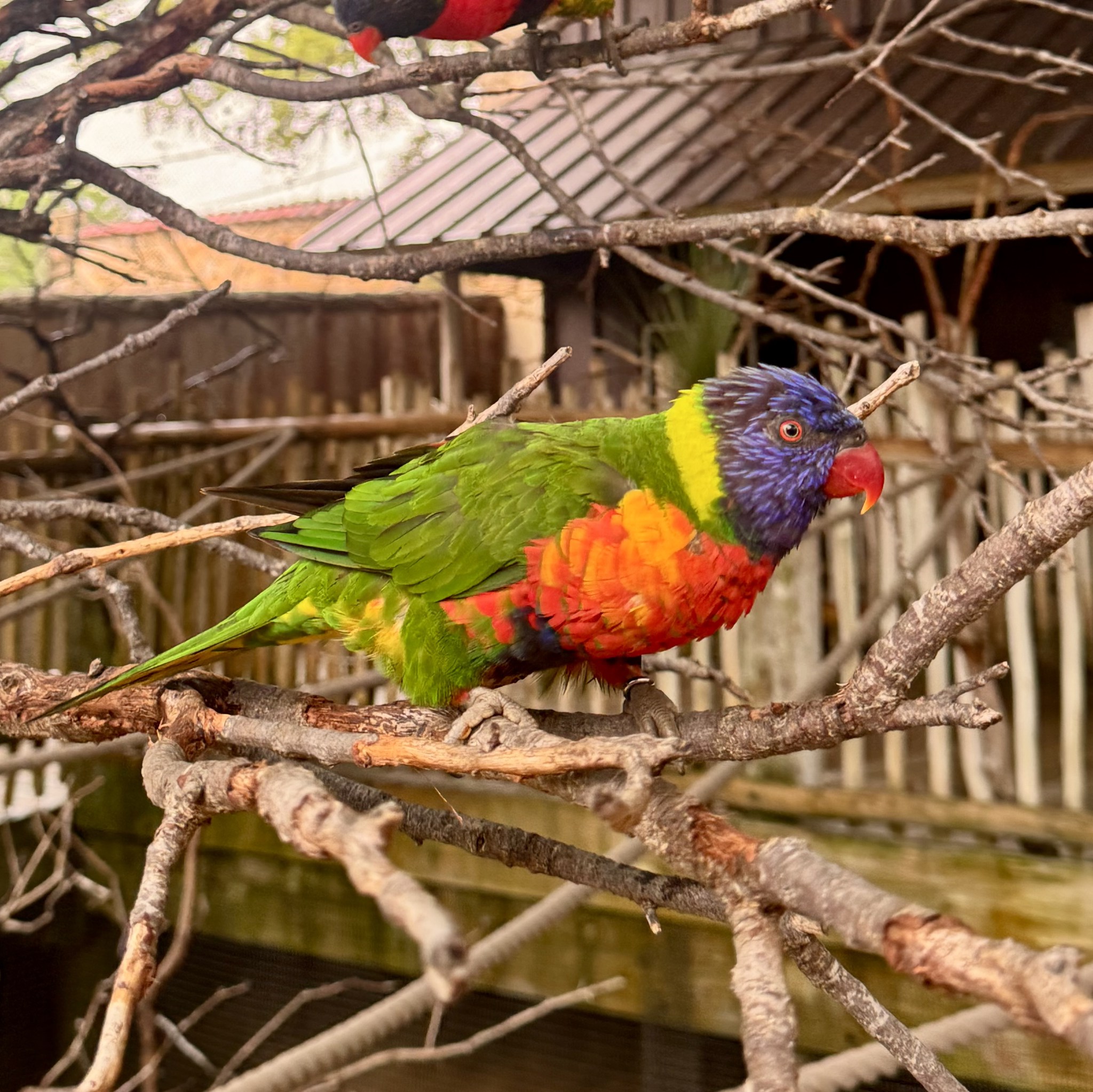
- The anatomy and unique feeding mechanism of the Rainbow Lorikeet
- Behavior and social structure of Rainbow Lorikeets
- Habitat and distribution of the Rainbow Lorikeet
- Conservation status and efforts for Rainbow Lorikeets
- The role of Rainbow Lorikeets in ecosystems and their impact on biodiversity
The Rainbow Lorikeet is a vibrant bird that captures attention with its striking plumage and fascinating behaviors. This article explores the Rainbow Lorikeet’s unique physiological traits, social dynamics, habitat preferences, conservation status, and its ecological roles, providing an essential resource for enthusiasts and professionals alike.
One of the most intriguing features of the Rainbow Lorikeet is its specialized feeding mechanism, courtesy of a brush-like tongue. Known scientifically as a "papillate appendage," this structure allows the bird to efficiently consume nectar and pollen. The tongue is coated with fine hairs that, when extended, act like a sponge to gather nectar from flowers. This adaptation is crucial for their survival, as nectar forms a significant part of their diet. Not exclusively nectar feeders, Rainbow Lorikeets also consume fruits and seeds, playing a role in seed dispersal. This unique feeding behavior highlights the bird’s vital role as a pollinator, making them indispensable to their habitats.
Behaviorally, Rainbow Lorikeets are highly social creatures. They often travel in flocks, ranging from small groups to large congregations, especially during foraging activities. These birds are known for their loud, chattering calls that facilitate communication within their groups. The social structure of Rainbow Lorikeets is complex, with bonds often forming between mating pairs that can last for life. These bonds extend beyond reproduction, as the pairs cooperate in nest building and raising their young. The use of their vocalizations to establish territory and strengthen social bonds is a testament to their advanced behavioral traits.
Rainbow Lorikeets are predominantly found in Australia, with a distribution that spans the eastern seaboard, from northern Queensland to South Australia. Their presence in urban areas has increased, thanks to their adaptable nature and the proliferation of garden plants that provide ample food. Native to tropical and subtropical regions, these birds favor open woodlands, coastal bushlands, and rainforests. Their ability to thrive in diverse habitats is attributed to their adaptability in finding food sources and their resilience to environmental changes.
The conservation status of the Rainbow Lorikeet is currently classified as least concern by the International Union for Conservation of Nature (IUCN). However, like many species, they face threats from habitat loss, primarily due to urban development and deforestation. Predation by introduced species and competition for nesting sites also pose significant threats. Conservation efforts focus on habitat preservation and restoration, alongside public education initiatives to promote coexistence with these birds. Establishing protected areas and encouraging the planting of native flora in urban spaces are essential strategies in their conservation.
Ecologically, Rainbow Lorikeets play a significant role in their environments. As effective pollinators, they help in the reproduction of flowering plants, contributing to ecosystem health and biodiversity. The interplay between the Rainbow Lorikeet and its habitat illustrates the interconnectedness of species within ecosystems. Their presence can be indicators of a healthy environment, and their absence may signal ecological imbalance. Understanding the Rainbow Lorikeet’s impact on biodiversity enhances our appreciation for conservation efforts and sustainable practices.
In summary, the Rainbow Lorikeet is more than a visually stunning creature. Its unique adaptations and behaviors underscore its ecological importance. Whether observing their dynamic social interactions or their efficient nectar-feeding techniques, each aspect of the Rainbow Lorikeet’s life offers insights into the complexities of avian existence. By appreciating and protecting these birds, we ensure the preservation of ecological balance and biodiversity for generations to come.
*****
Source Description
Meet the Rainbow Lorikeet—a vibrant little bird with a brush-like tongue! Known as a “papillate appendage,” it helps them scoop up nectar and pollen in one smooth swipe. These colorful cuties are nature’s expert nectar hunters!
