
- Introduction to Rüppell’s Sand Fox: Ecology and Physical Characteristics
- Habitat and Adaptations for Survival in Arid Deserts
- Behavioral Ecology: Social Structure, Diet, and Reproduction
- Conservation Status and Efforts to Protect Rüppell’s Sand Foxes
- The Role of Zoological Institutions in Educating and Preserving Species
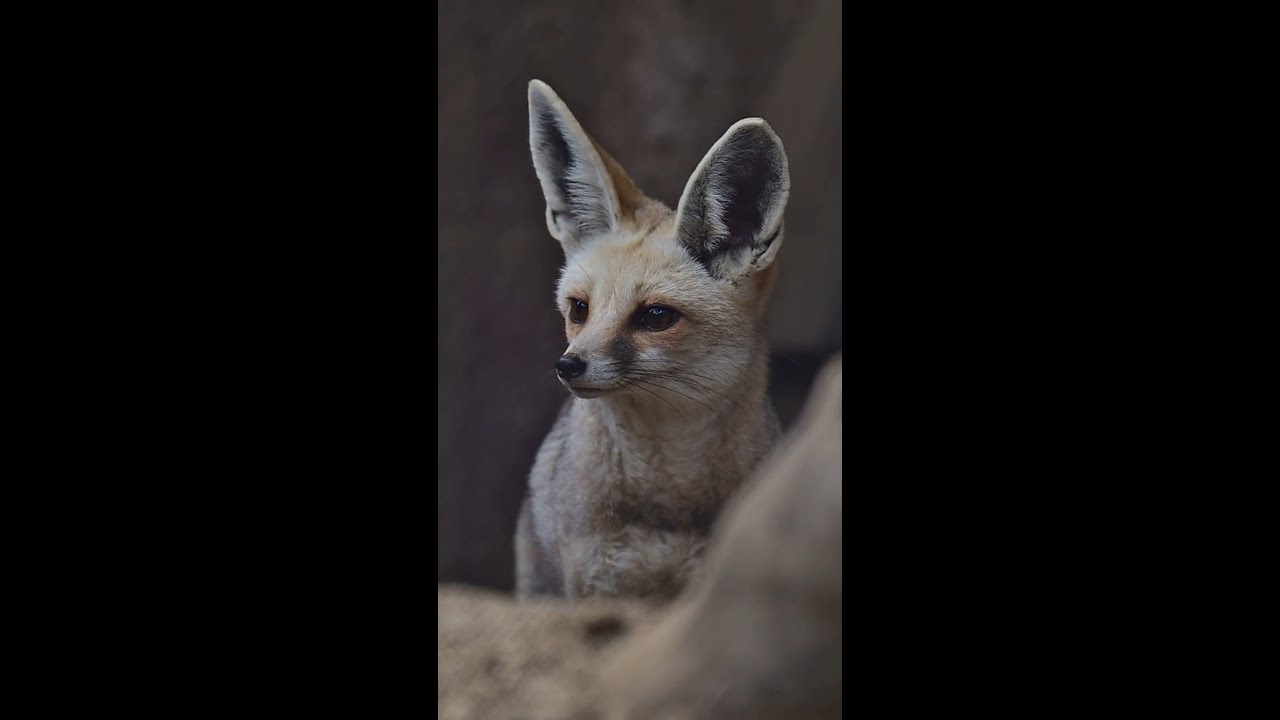
Rüppell’s Sand Fox is a fascinating species with much to offer in terms of ecological and scientific knowledge. Known scientifically as Vulpes rueppellii, this little fox is an outstanding example of adaptation to harsh environments. Their physical characteristics, behavioral patterns, and ecological role give them a unique place in the desert ecosystem. They exhibit colors ranging from light brown to sandy tones, blending seamlessly with their surroundings, which offers an effective camouflage from predators and prey alike. Their compact body size and large ears assist in dissipating heat, showcasing an evolution finely tuned for survival in arid landscapes.
The habitat of Rüppell’s Sand Fox spans the desert regions of North Africa and the Arabian Peninsula. These landscapes impose rigorous living conditions, where temperature extremes and scarce water sources define life. Adaptations such as burrowing allow these foxes to escape the day’s heat and conserve moisture. They exhibit incredible stamina, foraging over vast territories to find food. Their keen senses support locating hidden prey such as insects, small mammals, and lizards. These traits demonstrate the fox’s resilience and resourcefulness in surviving environments many species find inaccessible.
Understanding the behavioral ecology of Rüppell’s Sand Foxes provides insight into their social structure and survival strategies. Typically solitary or paired, these foxes communicate through vocalizations, scent marking, and visual signals. Their omnivorous diet includes a variety of food sources, which helps sustain them when primary food choices are scarce. Breeding typically occurs once a year, with mothers raising small litters and teaching them essential survival skills. These behaviors play a crucial role in maintaining population stability in challenging environments.
The conservation status of Rüppell’s Sand Fox is of moderate concern as habitat degradation and human activities pose threats to their populations. Efforts are being undertaken to promote conservation awareness and protect their habitats. Research and monitoring initiatives aim to gather more data on their populations and ecological needs, forming the backbone of effective conservation strategies. These initiatives involve collaboration between governments, conservation organizations, and local communities to foster sustainable practices.
Zoological institutions play an essential role in the conservation of Rüppell’s Sand Foxes by educating the public and fostering appreciation for these animals. Through informative exhibits and involvement in breeding programs, zoos contribute to the preservation of genetic diversity and ecological research. By engaging visitors with interactive and educational experiences, zoos encourage conservation efforts and instill a sense of responsibility toward the natural world. In doing so, they not only support ecological balance but also help safeguard the future of Rüppell’s Sand Foxes.
*****
Source Description
Have you spotted Sandi and Trixie, the elusive Rüppell’s sand foxes, at the Zoo? 🦊 These cuties are pros at hide-and-sneak—but when you do catch a glimpse, it’s a beautiful surprise! Native to arid landscapes, these buff-colored foxes are small, weighing up to 7.1 pounds. Don’t let their size fool you—they’re expert bug-catchers and small mammal munchers. You can find them in their habitat across from the Grevy’s zebras in the Drylands area.
