
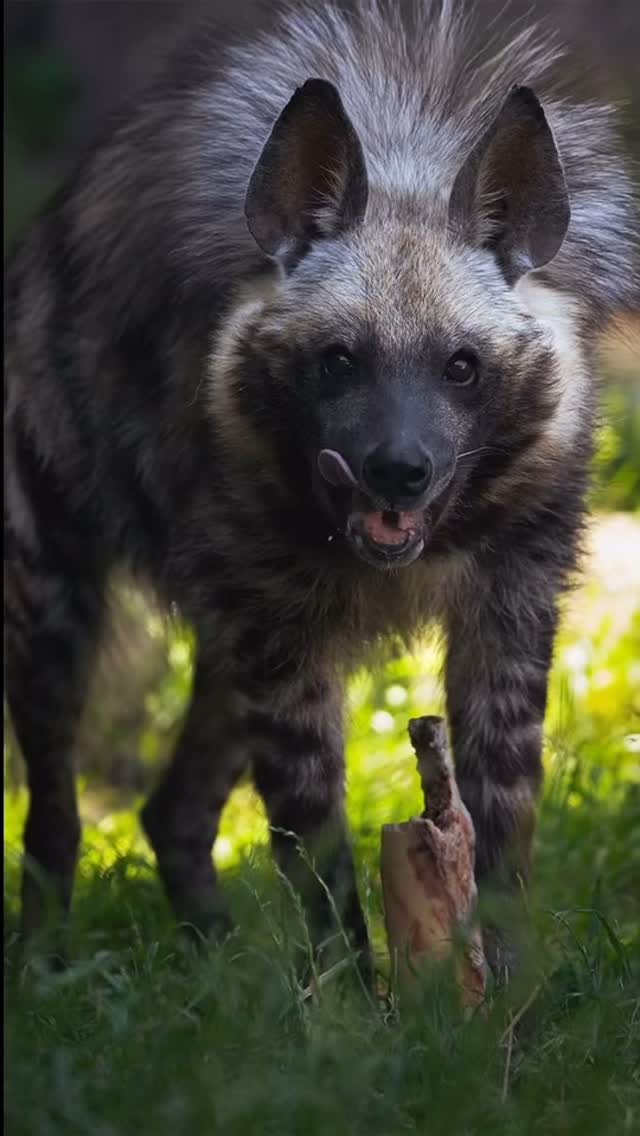
- Striped Hyenas as Scavengers: Ecological Importance
- Anatomy and Adaptations for Scavenging
- Feeding Behavior and Diet
- Interactions with Other Species
- Conservation Status and Threats
Striped hyenas, scientifically known as Hyaena hyaena, are remarkable scavengers that play a crucial role in maintaining ecosystem balance. Their primary diet consists of carrion, which includes dead animals, alongside human refuse. These hyenas have evolved to thrive on a diet that many other species cannot consume, thus serving as nature’s cleanup crew. Their scavenging behavior not only aids in reducing disease spread by consuming dead and decaying matter, but it also promotes the recycling of nutrients back into the ecosystem.
Their ecological importance cannot be understated. As scavengers, striped hyenas help to keep environments clean by consuming carrion that would otherwise decompose and attract pests. This behavior aids in preventing the spread of infectious diseases. By eating dead animals, striped hyenas contribute to nutritional cycling, allowing nutrients to re-enter the food web. Consequently, they play a vital role in the health of their habitats, supporting other animal species and overall ecosystem vitality.
Anatomically, striped hyenas exhibit adaptations that make them efficient scavengers. They possess strong jaws and a powerful bite force capable of crushing bones, allowing them to access nutrient-rich marrow that many animals cannot reach. Their teeth are specifically designed for grinding and tearing tough tissue, reflecting their dietary preferences. A distinct feature of their anatomy is their resilient digestive system, which can handle the pathogens often present in carrion. This adaptation reduces disease risk, making them effective scavengers while allowing them to thrive in environments with varying food availability.
Striped hyenas are also highly opportunistic feeders. While they primarily consume carrion, their diet can expand to include insects, small mammals, and even fruits, depending on availability. They often scavenge from larger predators such as lions and leopards, waiting for the opportunity to feed on remains when the competition vacates. This behavior underscores their role as flexible foragers, capable of adjusting their feeding habits based on environmental circumstances.
Their feeding behavior involves social dynamics as well. Striped hyenas are social animals that can often be found in family groups, allowing them to work together to locate food. This group behavior can enhance their scavenging efficiency, as they can cover larger areas and defend food sources from potential competitors. The intricate communication between individuals within these groups helps them coordinate efforts in foraging and sustenance. Even lone hyenas can exhibit complex behaviors, using scent marking and vocalizations to communicate territorial boundaries and food availability.
Interactions with other species reveal additional dimensions of their ecological role. Striped hyenas are not just consumers of carrion but are also prey to larger predators. Their presence can influence the behaviors of species like lions and leopards, which may alter their hunting strategies based on the risk of encountering hyenas. This dynamic interspecies interaction contributes to maintaining the balance within ecosystems, as different species adapt to coexist.
Moreover, the relationship between striped hyenas and humans has evolved over time. In many regions, these hyenas are viewed with a mix of intrigue and concern. They often scavenge in urban areas, capitalizing on human refuse. This behavior can result in negative perceptions, leading to conflict between hyenas and local communities. However, understanding their ecological role can shift perspectives, highlighting their significance in waste management and disease control.
Conservation status is a critical aspect of the striped hyena’s narrative. Currently, they are classified as Near Threatened by the International Union for Conservation of Nature (IUCN). Habitat loss, human-wildlife conflict, and poaching are significant threats to their populations. As urban areas encroach upon their habitats, adaptable hyenas may thrive in some regions but face challenges in others. Conservation efforts aimed at educating communities about the benefits of striped hyenas can significantly enhance their prospects.
Efforts to protect striped hyenas are vital not just for their survival but for ecosystem health. By raising awareness about their role as scavengers, conservation organizations can engage communities in more sustainable practices. Encouraging practices that reduce human-wildlife conflict, such as securing food waste and promoting habitat preservation, can foster coexistence.
In the context of wildlife management, zoos and conservation organizations are actively working on breeding programs and habitat restoration efforts. These initiatives aim to ensure genetic diversity and provide safe havens for striped hyenas while educating the public about their ecological roles. Continued research into their behaviors and interactions with the environment will further enhance conservation strategies and our understanding of these remarkable creatures.
Striped hyenas exemplify the importance of scavengers in ecosystems. Their unique adaptations enable them to consume and recycle nutrients from carrion, contributing to ecological balance. Through cooperative behaviors, social structures, and interactions with broader ecosystems, they underscore the interconnectedness of life and the necessity of all species in maintaining health and sustainability in the environment.
As conservation challenges persist, highlighting the essential functions of striped hyenas can foster a greater appreciation for these often-misunderstood animals. By emphasizing their role as nature’s clean-up crew and advocating for their conservation, we can help secure a future for these remarkable scavengers. The ongoing efforts to understand their ecological importance will undoubtedly benefit both striped hyenas and the ecosystems they serve.
*****
Source Description
Bon appetite to one of nature’s best scavengers!
Striped hyenas are natural-born scavengers, thriving on carrion (dead animal) and human refuse. With powerful jaws and a digestive system built to handle bones and tough remains, they consume what many other animals can’t. In doing so, they play a vital role in their ecosystems – nature’s own clean up crew!
