
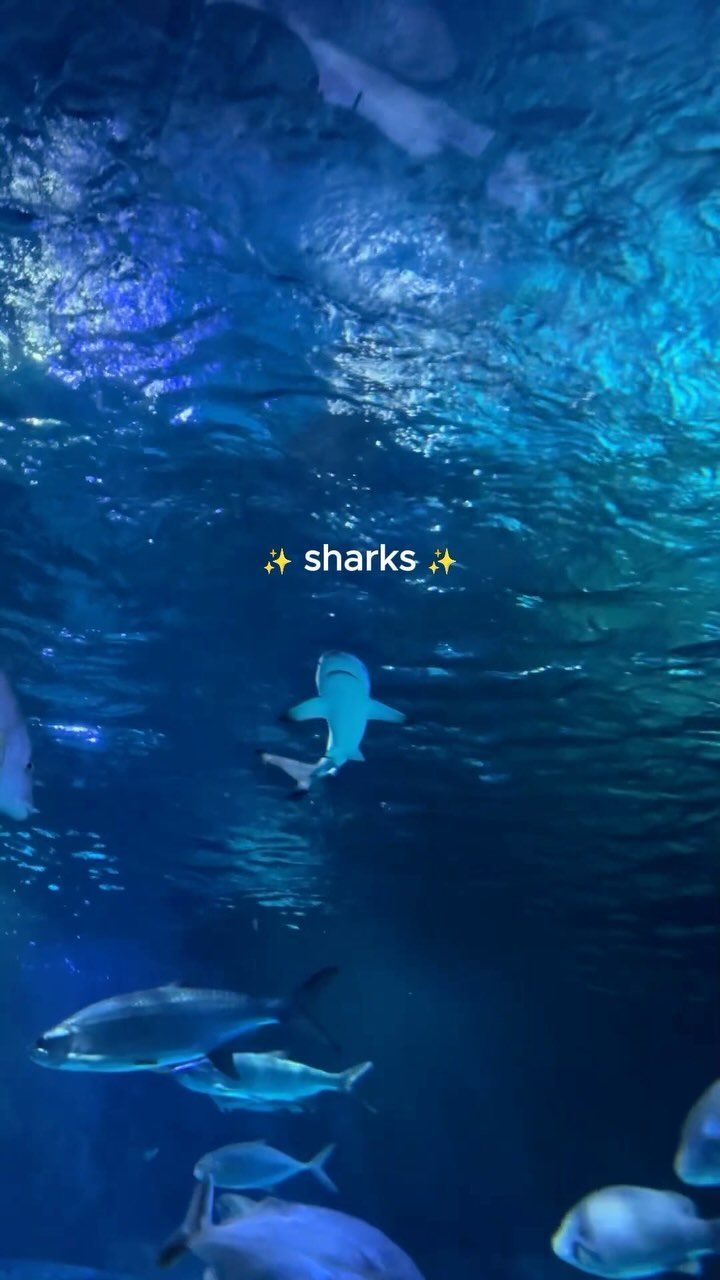
- The diversity of shark species at SEA LIFE Aquarium.
- The biological characteristics of different sharks.
- The ecological role of sharks in the underwater ecosystem.
- Conservation efforts focusing on shark populations.
- Interactive and educational experiences for visitors at SEA LIFE Aquarium.
Sharks represent a fascinating and diverse group of marine creatures. At SEA LIFE Aquarium, visitors can encounter several species, including Bonnethead, Zebra, Bamboo, and Epaulette sharks. Understanding these species enriches the visitor experience and grounds appreciation for their ecological significance.
Bonnethead sharks are often characterized by their unique head shape, which resembles a bonnet. This adaptation serves a particular purpose. The broad, flattened head allows the shark to better maneuver and capture prey like crustaceans. Bonnetheads generally reach about 3 to 4 feet in length, making them one of the smaller species of sharks. They are often found in shallow coastal waters, thriving in warm, temperate zones. Their diet primarily consists of crabs and other invertebrates, reflecting their role as opportunistic feeders.
Zebra sharks stand out due to their striking pattern of stripes and spots. Juvenile Zebra sharks are born with distinctive dark stripes that fade into a spotted pattern as they grow. This changes in coloration helps them blend into the ocean floor, offering protection from predators. Typically, these sharks can reach lengths of up to 11 feet. They are known for their unusual feeding behavior; they often use their mouths to suction prey from the ocean floor. Their prey includes mollusks and small fish, which highlights their role as bottom feeders in their ecosystem.
Bamboo sharks, particularly the Brownbanded Bamboo shark, are fascinating with their elongated bodies and unique coloration. They prefer to inhabit shallow waters and often rest on the ocean floor, where they can camouflage effectively among the reef. Bamboo sharks are generally harmless to humans, growing to about 3.5 feet in length. They are nocturnal hunters, hunting for small fish and invertebrates during the nighttime. Unlike other sharks, Bamboo sharks can breathe while resting on the sea floor by using a process called buccal pumping, which allows them to draw water over their gills without swimming.
Epaulette sharks have generated interest due to their unique adaptation to their environment. These small sharks, typically growing to around 3.5 feet, possess the unusual ability to “walk” on the ocean floor using their pectoral fins. This form of movement not only aids them in navigating their shallow habitats but also allows them to hunt for prey hidden among the coral. Primarily, they feed on small fish, crustaceans, and mollusks, showcasing their adaptability and predatory skills.
Each of these shark species plays a critical role in maintaining ecological balance. As apex predators, they help keep populations of smaller fish in check, contributing to the overall health of marine ecosystems. Their hunting behaviors influence prey dynamics and can help to sustain species diversity within their habitats.
Shark populations, however, face numerous threats. Overfishing, habitat loss, and climate change present significant challenges to their survival. Conservation efforts are necessary to protect these species and their habitats. Organizations around the world work tirelessly to raise awareness about the importance of sharks. They focus on establishing marine protected areas, implementing strict fishing regulations, and promoting sustainable fishing practices. Educating the public about the value of sharks in maintaining healthy marine ecosystems is crucial for garnering support for these initiatives.
SEA LIFE Aquarium serves as a vital educational and interactive platform for visitors. It provides opportunities to observe sharks up close, engage with staff knowledgeable in zoology, and participate in hands-on learning experiences. Children and adults alike are encouraged to immerse themselves in the underwater world, promoting an understanding of marine life and the importance of conservation.
Interactive exhibits at SEA LIFE allow for deeper engagement. Visitors can watch feeding sessions, participate in educational talks, and even experience touch tanks where they can feel the textures of various marine creatures. Such activities foster a connection to marine life and emphasize the importance of conservation efforts. Learning how human actions impact sharks and their habitats empowers individuals to make informed decisions and advocate for change in their communities.
Organizations involved in conservation also encourage community participation in protecting shark populations. Many initiatives include citizen science programs that allow individuals to contribute to research and data collection. Volunteers can help track shark populations or assist in habitat restoration projects, making everyone a part of the solution.
Sharks may evoke fear for some, but understanding their biology and ecological importance fosters respect. At SEA LIFE Aquarium, the emphasis is on education and sustainability. By learning about species like the Bonnethead, Zebra, Bamboo, and Epaulette sharks, visitors can appreciate the intricacies of marine life.
In recent years, digital platforms have become effective tools for conservation messaging. Social media campaigns often highlight the significance of shark populations and call attention to their plight. Engaging videos, like those featuring multiple shark species at SEA LIFE Aquarium, provide visual insight and stir interest in marine conservation. By sharing these experiences, aquarium enthusiasts amplify the message and encourage additional support for shark protection.
Individuals and families visiting SEA LIFE Aquarium leave with more than just memories; they gain knowledge and inspiration to advocate for marine health. The aquarium acts as a bridge, connecting the public with oceanic wonders while empowering them to be stewards of the environment.
SEA LIFE’s educational focus also addresses common myths about sharks. The fear of sharks often stems from misrepresentation; educating the public about the significance of sharks in marine ecosystems counters these misunderstandings. Emphasizing the need for coexistence with, rather than fear of, these creatures is vital.
Prominent figures in marine conservation frequently speak at events hosted by SEA LIFE, further enriching visitors’ experiences. Through these partnerships, the aquarium strengthens its outreach and emphasizes its role in promoting sustainable practices.
In addition to directly showcasing marine life, SEA LIFE engages in global initiatives aimed at shark protection. The aquarium collaborates with organizations working on legislation to ban shark finning and promote sustainable fishing practices. Advocacy at multiple levels, local to global, illustrates the aquarium’s commitment to ensuring a healthy future for marine ecosystems.
Visitors come to SEA LIFE Aquarium not just for the thrill of encountering sharks but also for the knowledge they gain about marine life and conservation. The diverse species on display serve as ambassadors for their ecosystems, encouraging a deeper understanding of the oceans.
Experiencing the multitude of shark species, from Bonnetheads to Epaulette sharks, visitors leave with a call to action. Observing these creatures up close facilitates a connection to the marine environment. It inspires individuals to participate actively in safeguarding both shark populations and broader ocean health.
Knowledge of sharks extends beyond the walls of the aquarium. Teaching families and educators about effective ways to advocate for marine conservation is essential. Whether through classroom activities, community outreach, or social media campaigns, engagement strategies must continue beyond the aquarium visit.
The educational experience at SEA LIFE Aquarium highlights the value of sharks within marine ecosystems while emphasizing the importance of ongoing conservation efforts. By spotting various species within the aquarium, visitors become ambassadors for marine life conservation, working to protect these fascinating creatures for future generations to experience.
As engagement with sharks and their ecosystems grows, awareness and advocacy can lead to lasting change. Empowering individuals to recognize the importance of their role in marine protection fosters hope for the health of our oceans. Visitors to SEA LIFE Aquarium take home not just memories, but a renewed responsibility toward the preservation of shark populations and aquatic ecosystems.
*****
Source Description
You never know what may swim by at SEA LIFE Aquarium. 🦈 Come face to fin with multiple shark species and discover their underwater world. 🫧
🦈 Bonnethead Sharks
🦈 Zebra Sharks
🦈 Bamboo Sharks
🦈 Epaulette Sharks
Which species do you spot in this video at SEA LIFE Orlando? Drop your guess in the comments.
