
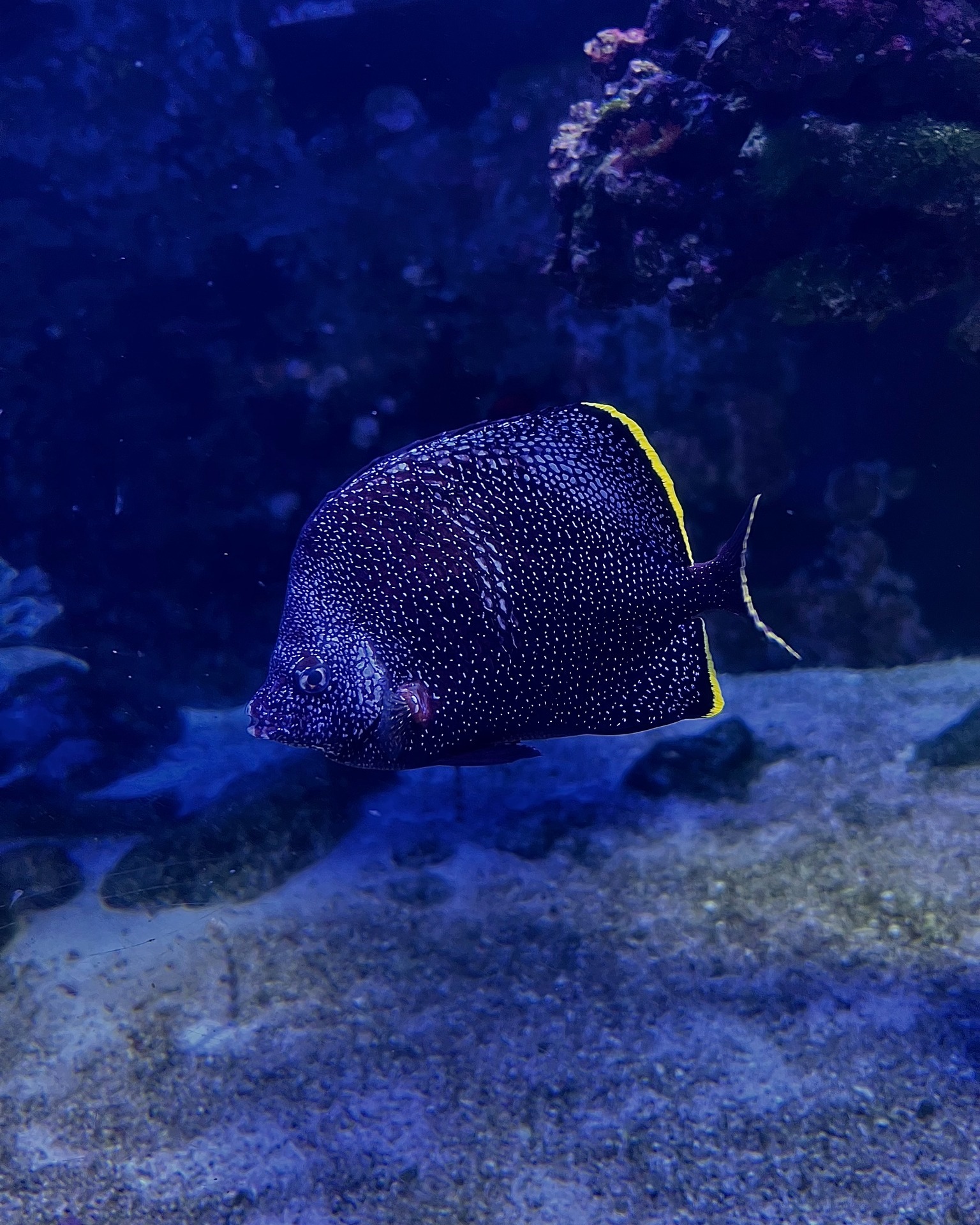
- Overview of the Wrought-iron Butterflyfish’s Physical Characteristics
- Habitat and Distribution Patterns
- Feeding Behavior and Dietary Preferences
- Social Structure and Reproductive Behaviors
- Conservation Status and Threats to the Wrought-iron Butterflyfish
The wrought-iron butterflyfish (Chaetodon daedalus) stands out among reef species, showcasing a striking appearance that captures the attention of both divers and aquarists. Its metallic black scales shimmer under sunlight, accentuated by bright yellow-tipped fins. This medium-sized fish is an important component of its ecological niche, primarily found in rocky reefs around southern Japan and other parts of the Indo-Pacific Ocean. Understanding this fish involves studying its physical characteristics, habitat, feeding behavior, social interactions, and the conservation challenges it faces.
The physical characteristics of the wrought-iron butterflyfish are impressive and distinctive. Adult specimens generally reach lengths of about 7 to 8 inches. Their bodies are relatively flat and oval, a common trait amongst butterflyfish species. The striking color pattern features metallic black scales that provide excellent camouflage among the rocky reef environment. The yellow-tipped fins contrast beautifully with the dark body, adding to the fish’s visual appeal. This color scheme serves not only an aesthetic purpose but also plays a role in communication and mating. The shape of the body contributes to its swimming capabilities, allowing quick maneuvers in tight spaces, which is vital for avoiding predators and navigating the complex reef structures.
Habitats for the wrought-iron butterflyfish are typically rocky and coralline reefs. These environments provide a plethora of food resources, such as plankton and algae, which are essential for their diet. The fish tend to dwell in shallow waters, usually between 30 and 60 feet deep, where sunlight penetrates, promoting the growth of algae. Their distribution primarily spans southern Japan, but they can also be found in surrounding waters, making them relatively localized in their range. This specific habitat preference underscores the need for healthy reef systems, as any degradation can significantly impact their populations.
In terms of their feeding behavior, the wrought-iron butterflyfish grazes primarily on plankton and algae. Their feeding strategy involves the use of specialized mouth structures designed for scraping. This adaptation allows them to effectively consume algae and other small organisms growing on reef surfaces. They usually forage in schools, navigating together across the reef, which helps them locate food more efficiently while providing safety in numbers. Their dietary preferences highlight their role in maintaining the health of reef ecosystems; by grazing on algae, they help prevent algal overgrowth, which can outcompete corals for space and resources.
Social interactions and reproductive behaviors in wrought-iron butterflyfish are equally fascinating. They are known for their school formation, often moving in tight groups which can range from a few individuals to larger aggregations. This social structure not only aids in foraging but also offers protection from predators. Mating usually occurs in pairs, with spawning typically taking place during specific times of the year. During these periods, males may engage in elaborate courtship displays, showcasing vibrant colors and belly-flashing movements to attract females. Understanding the social dynamics and reproductive strategies of these fish is crucial for any conservation efforts aimed at preserving their populations.
The conservation status of the wrought-iron butterflyfish raises significant concerns. While they are not currently classified as endangered, their populations are vulnerable to various threats. Habitat destruction, primarily caused by coral reef degradation due to climate change, pollution, and overfishing, has a direct impact on their survival. Healthy coral reefs are essential for their feeding and breeding success. Additionally, the rise in ocean temperatures can lead to coral bleaching, further stressing the ecosystem and affecting the food availability for the wrought-iron butterflyfish. Conservation measures focused on habitat protection and sustainable fishing practices are essential for ensuring that this species and its ecosystem can thrive for future generations.
Efforts to preserve the wrought-iron butterflyfish and their habitats have gained momentum in recent years. Many marine reserves and protected areas have been established in southern Japan to safeguard the delicate ecosystems that support these fish. By regulating fishing activities and promoting reef restoration projects, local governments and conservation organizations are working to create a sustainable environment where the wrought-iron butterflyfish can prosper. Educational programs aimed at local communities also play a critical role in raising awareness about the importance of reef systems and the species that inhabit them.
An appreciation for marine life enhances public interest in conservation efforts. As awareness grows, more individuals are encouraged to participate in activities that promote ocean health, such as diving and snorkeling tours that emphasize responsible wildlife viewing. Engaging the broader community in conservation initiatives ensures that local populations recognize the value of preserving marine biodiversity, fostering a deeper connection to the environments they inhabit.
Wrought-iron butterflyfish serve as indicators of reef health due to their sensitivity to changes in their environment. Regular monitoring of their populations can provide valuable insights into the overall condition of reef ecosystems. Effective management strategies that include research, monitoring, and community involvement are key elements for safeguarding this picturesque species.
In summary, the wrought-iron butterflyfish is a captivating species worth understanding. With its distinctive features, feeding habits, and social dynamics, it plays a crucial role in the delicate balance of rocky reef ecosystems. Protecting this species goes beyond safeguarding a single fish; it involves the entire reef community that relies on healthy environments. As threats continue to challenge marine biodiversity, focused efforts in conservation will determine the future of both the wrought-iron butterflyfish and its habitat.
*****
Source Description
Meet the Wrought-iron butterflyfish. ⚫💛 Its metallic black scales and yellow-tipped fins make it one of the most striking fish in the reef. These medium-sized swimmers stay in tight schools, grazing on plankton and algae as they travel rocky reefs near southern Japan.
