
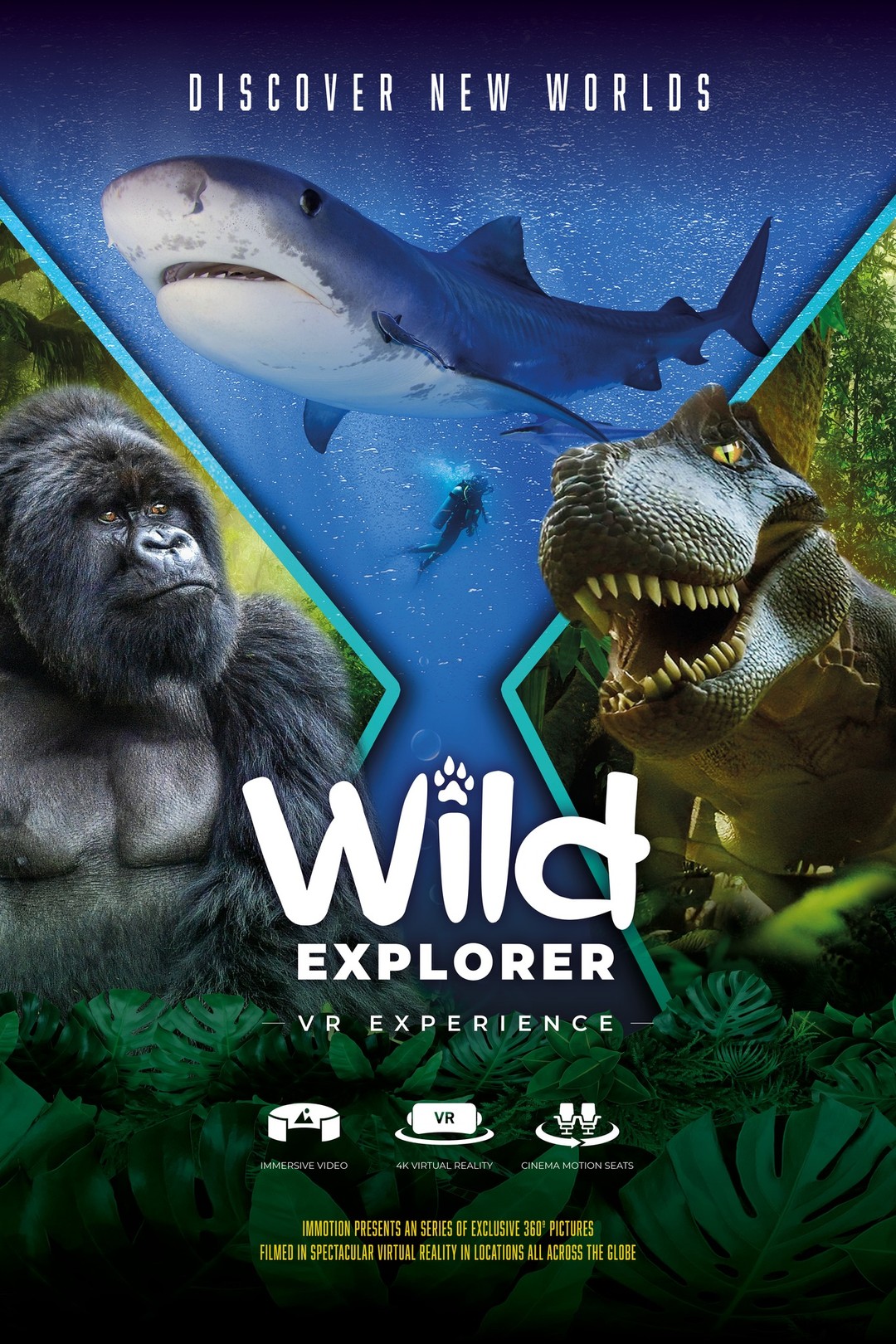
- The introduction of the Wild Explorer VR Experience as a transformative zoo attraction.
- The technological advancements and immersive nature of virtual reality in animal conservation.
- The educational benefits of engaging experiences for visitors of all ages.
- Insights into wildlife preservation and the role of zoos in conservation efforts.
- The significance of visitor feedback and how it guides future developments.
The Wild Explorer VR Experience marks an exciting new chapter in the evolution of zoo attractions. Located inside the Wayne Densch Discovery Center, across from the Insect Zoo, this innovative exhibit serves as a gateway to extraordinary wildlife encounters. Guests can momentarily escape their surroundings, diving into vivid virtual habitats that offer breathtaking views of nature’s wonders. Imagine finding yourself face-to-face with a silverback gorilla. Or swimming alongside sharks in the crystal-clear waters of the Bahamas. This attraction is a cutting-edge testament to how technology can enhance our understanding of wildlife.
Virtual reality (VR) is at the forefront of a new wave in zoo experiences. With the ability to create lifelike environments, VR goes beyond traditional exhibits, allowing visitors to interact with animals and settings in real-time. This technology employs advanced graphics and sound design to immerse guests in a vibrant world teeming with color and life. As individuals don VR headsets, they embark on a journey that not only entertains but also educates. They witness animal behavior in its natural context, fostering a deeper appreciation for wildlife.
An essential aspect of the Wild Explorer VR Experience is its educational component. This attraction is not just a thrill; it serves as an informative platform. Each virtual session comes equipped with information on species’ behaviors, habitats, and conservation statuses. Given that most people retain significantly more information from hands-on experiences, this interactive format makes learning about wildlife both engaging and impactful. Children and adults alike can gather insights about the ecosystem, enhancing their knowledge of biodiversity and the importance of protecting it.
Furthermore, the role of zoos in conservation is often misunderstood. Many view zoos simply as places of entertainment; however, their contributions to wildlife preservation are critical. The Wild Explorer VR Experience supports this mission by showcasing endangered species, which heightens awareness about their plight. By integrating VR into the zoo’s operations, the facility provides an innovative approach to educate the public on conservation efforts. Visitors learn that protecting these species often involves protecting their habitats around the globe. Engaging with animals virtually can inspire guests to advocate for conservation measures in their own communities.
Feedback from visitors plays a pivotal role in shaping future offerings. The zoo actively encourages guests to share their thoughts about the Wild Explorer VR Experience. This input is invaluable, as it helps the zoo understand what resonates with audiences. Positive responses can lead to the expansion of existing attractions, while constructive criticism can be used to make necessary improvements. Engaging communities in this manner fosters a sense of ownership and investment in the conservation mission.
While the adventure of VR simulates thrilling experiences, it also poses unique challenges. One key concern is ensuring that the virtual interactions promote respect and understanding rather than desensitization to real-world animal welfare. The zoo staff continuously works on curating experiences that not only captivate but also instill empathy towards the animals involved. Creating a dialogue about the importance of biodiversity can steer discussions in powerful directions.
The Wild Explorer VR Experience is pulse-quickening, yet it holds the potential for deeper discussions regarding environmental stewardship. Visitors not only observe; they are participants in an essential conversation about the natural world. This shared experience can motivate family members to talk about their roles in conservation, even long after leaving the zoo premises.
In addition to captivating entertainment, the Wild Explorer VR Experience aligns with the broader narrative of wildlife conservation. Educational insights within the attraction can underscore that individual actions—ranging from recycling to advocating for eco-friendly policies—can lead to significant change. The urgency of wildlife preservation has never been greater, as climate change and habitat destruction increasingly threaten various species. Engaging with these topics through an innovative lens can kindle passion in the hearts of individuals, prompting collective movement towards more sustainable living practices.
Despite being rooted in advanced technology, the Wild Explorer VR Experience recalls timeless principles of conservation education. Every interaction, every visual immersion, is grounded in facts that can lead to informed decision-making. The empathy developed through this immersive learning could help broaden the public’s understanding of global conservation issues.
Moreover, the attraction engages our sense of wonder. This aspect of engagement can transform how individuals view zoos. The narrative surrounding wildlife can often seem distant and abstract; this VR experience brings it into immediate focus. Participating in virtual expeditions fosters curiosity and enhances the importance of distant environments—oceanic ecosystems, African savannas, and tropical rainforests, to name a few—within our own communities. Although visitors may experience these ecosystems in a digital format, they can take home new insights, moving beyond passive observation to active participation in conservation efforts.
The potential benefits extend far beyond excitement and knowledge. Attractions like the Wild Explorer VR Experience can also serve as platforms for scientific research. Data collected from visitor interactions can be invaluable in shaping future zoo exhibits and programs. For instance, understanding which animal simulations provoke the strongest emotional responses can help educators refine their strategies for engaging various audiences.
Ultimately, zoos like this one have the potential to reshape public perceptions and responsibilities related to wildlife. The Wild Explorer VR Experience serves as a conduit for these vital conversations. As people immerse themselves in the beauty of wildlife, they simultaneously become aware of the challenges that many species face. By linking education and entertainment, the zoo can motivate guests to become advocates for wildlife preservation.
This innovative approach is a fundamental necessity in today’s rapidly changing world. The challenges facing wildlife are considerable. Human activities, including urban development, overfishing, and pollution, continue to encroach on natural habitats. Educational initiatives focusing on the importance of conservation are integral to changing behaviors that contribute to environmental degradation. The Wild Explorer VR Experience thus serves not only as an attraction but also as a call to action.
Visitors to the experience hold the opportunity to become ambassadors for wildlife conservation. Through their enhanced understanding and emotional connections fostered by the early high-energy interaction, visitors can become vocal proponents for sustainable practices. Whether it entails supporting local conservation efforts or addressing issues via policy advocacy, their actions can echo far beyond the walls of the zoo.
As the Wild Explorer VR Experience continues to attract guests, the excitement surrounding this innovative attraction will likely grow. Each visit not only entertains but educates, inviting a diverse audience to engage with important topics. By embracing technology, the zoo is profoundly reshaping the landscape of wildlife education, inspiring the next generation of conservationists, and reinforcing its mission of stewardship for the planet’s precious species.
The excitement surrounding the Wild Explorer VR Experience extends beyond the confines of the zoo, serving as an inspiration for similar projects worldwide. By harnessing virtual reality, zoos have an opportunity to reach broader audiences, enhance educational outreach, and elevate the discourse surrounding conservation. Each virtual encounter serves as a stepping stone towards a future where wildlife and humanity coexist harmoniously.
Equipped with knowledge and excitement from their experiences, visitors leave the zoo equipped with renewed perspectives and a determination to make a difference. Through attractions like the Wild Explorer VR Experience, zoos are demonstrating how technology can be a bridge to not only understanding but also protecting the biodiversity that sustains life on Earth. This synergy between innovation and wildlife conservation is essential to cultivating the empathy and action needed to defend the planet’s most vulnerable species.
*****
Source Description
👀 See the wild like never before… the Zoo has a new attraction! 🎉
We’re excited to announce that the Wild Explorer VR Experience 🥽 is now open inside the Wayne Densch Discovery Center, across from the Insect Zoo.
This isn’t just another exhibit. It’s a passport to the WILD! One minute you’re at the Zoo, and the next, you’re eye-to-eye with a silverback gorilla, swimming with sharks in the Bahamas, or face-to-face with the world’s most famous dinosaurs.
Try them all and let us know what you think! Learn more in the link in bio.
.
.
.
