
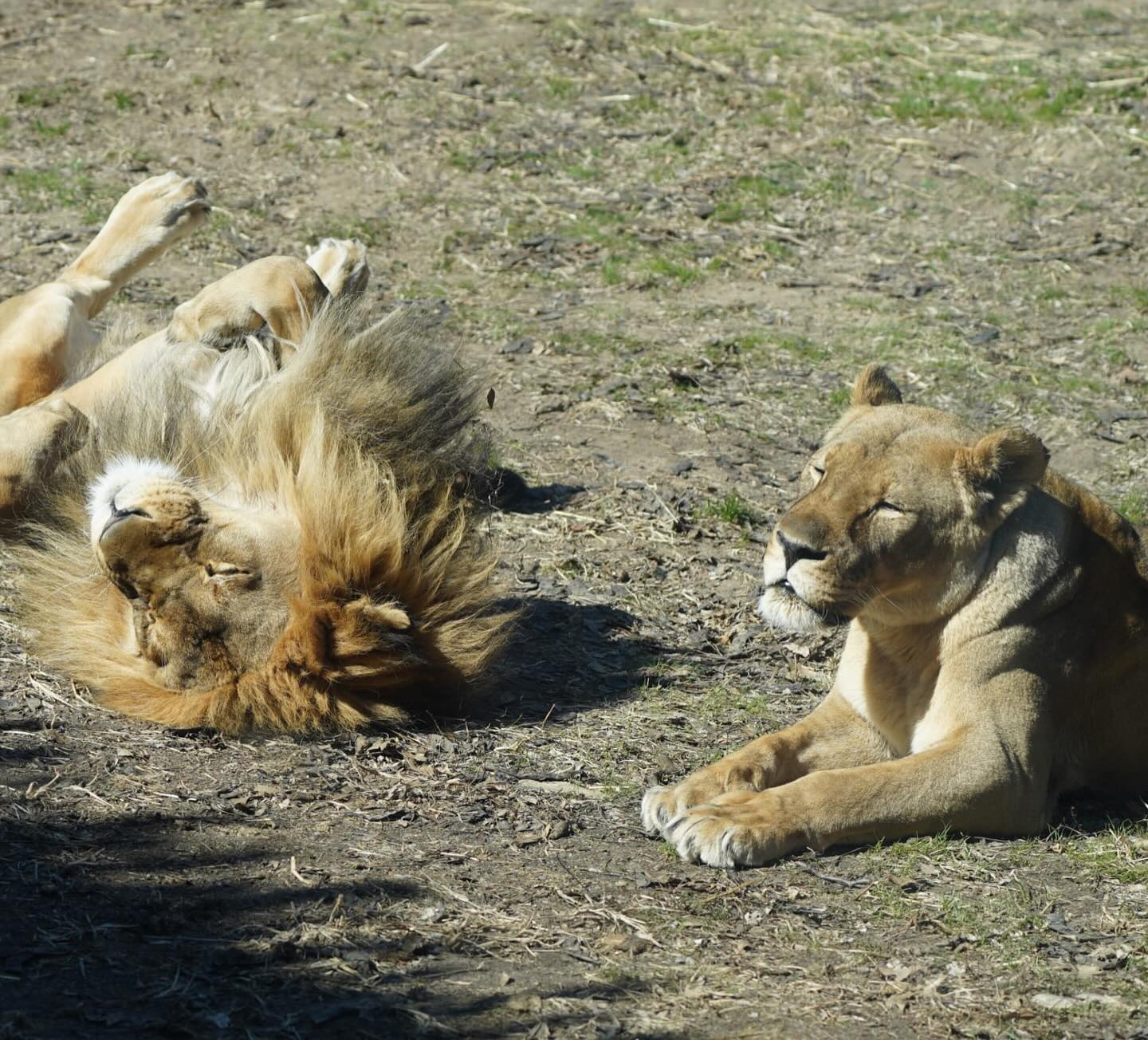
- Lions, social animals that thrive in prides, exhibit fascinating behavior.
- Sleep patterns and energy usage reveal much about their survival strategies.
- The role of lionesses and males within their social structure is crucial for the pride’s success.
- Conservational efforts are vital to protect lions and their natural habitats.
- Education about lion behavior aids in fostering appreciation and support for wildlife conservation.
Lions, often referred to as the kings of the animal kingdom, are not just iconic figures in our cultural imagination but also incredible social animals that play a pivotal role in their ecosystems. Living in groups called prides, these majestic creatures display intricate social dynamics that are worthy of study. In the wild, lions are seldom seen alone; they typically lie around together, basking under the sun or resting in the shade, such as Tatu and Asante, who symbolize their deep social bonds.
A significant aspect of lion behavior is their sleep patterns. Typically, lions spend around 21 hours each day sleeping or resting. This extended period of inactivity can largely be attributed to their energy expenditure during rare bursts of activity, primarily associated with hunting or territorial defense. Lions are not built for constant exertion; instead, they conserve their energy for the moments that matter most, showcasing their survival instincts. This energy conservation strategy is essential for their role as apex predators.
In a pride, lionesses are the primary hunters. They work in coordinated efforts to stalk and ambush prey, such as wildebeest or zebra. This communal hunting style allows lionesses to maximize their chances of a successful kill, which is vital for feeding the entire pride. The energy burned during these hunts is significant, making it crucial for lionesses to recuperate afterward, thus leading to prolonged resting periods.
Males, on the other hand, have a different set of responsibilities. While they occasionally engage in hunting, their primary functions include marking territory, patrolling borders, and protecting the pride from outside threats. These activities can also require significant bursts of energy, but they are generally less frequent compared to the efforts of the lionesses. Males expend their energy on territorial defense, which is essential for maintaining the pride’s stability. After such exertions, they, too, require extensive rest periods to rejuvenate.
The need for rest not only safeguards their energy but also helps maintain their overall health. Lions are susceptible to various threats, including disease, injury, and environmental challenges. By resting adequately, they allow their bodies the time necessary for healing and regeneration. Physical recovery is essential for both hunting success and successful defense of the pride.
One fascinating aspect of lion social structure is the role of cubs. Young lions often spend considerable time playing with one another, which may seem like mere fun but serves an important purpose. Play is critical for developing the skills they will need as adult lions, such as hunting and social interaction. Observing sibling dynamics can offer valuable insights into future roles within the pride, particularly as they mature into adult members.
Lions face numerous conservation challenges in the wild. Habitat loss, poaching, and human-wildlife conflict have placed significant pressure on their populations. It is estimated that only 20,000 lions remain in the wild, a stark decline from their historical numbers. Various organizations and conservationists work tirelessly to protect lion habitats and mitigate conflicts, enabling not just lion populations but entire ecosystems to thrive.
Education plays a vital role in conservation efforts. Understanding the importance of lion behavior and their ecological role fosters appreciation and support for wildlife conservation. By illuminating the challenges lions face and promoting positive change in human behavior, we collectively work towards a future where these magnificent animals can coexist with humans.
The importance of preserving lions extends beyond merely saving a species; it connects to the health of our planetary ecosystems. Lions sit at the top of the food chain, and their presence helps regulate populations of herbivores. When lion numbers decline, prey species can become overpopulated, leading to habitat degradation and the overall destabilization of ecosystems.
While resting and sleeping may seem like simple activities, they embody the essence of how lions manage their lives in the wild. Every moment spent resting is purposeful, allowing them to balance the demands of hunting, defending their territory, and caring for their young. Observing lions like Tatu and Asante reminds us that these behaviors are critical for their survival.
By educating ourselves and others about lion behavior and their ecological role, we help create a narrative that supports their conservation. It is essential to advocate for protective measures and habitat conservation so that future generations can experience the majesty of lions in their natural habitat.
As scientists and wildlife enthusiasts alike continue to study these fascinating creatures, the understanding of their complex social behaviors and ecological significance deepens. Educators and conservationists must prioritize teaching about the realities of lion life and the pressing threats they face.
Ultimately, recognizing the importance of lions goes beyond mere curiosity. It forms the foundation for advocating against poaching and habitat destruction, emphasizing the need for sustainable practices and human awareness of our role in the preservation of wildlife. By fostering a culture that respects and values lion populations, we contribute to the health of ecosystems worldwide.
Investing in educational programs and conservation initiatives is crucial. Younger generations should be exposed to knowledge that builds a foundation for action. By creating awareness, we contribute to a global movement that values the protection of lions and their environments.
Support for wildlife conservation efforts can also inspire collective action. Engaging local communities in conservation projects creates opportunities for coexistence, enabling people to benefit from protecting wildlife and preserving their natural habitats. When people understand the value of lions, they are more likely to advocate for their protection.
While it may be easy to overlook the importance of resting and socializing among lions, these behaviors reveal deep insights into survival strategies and social bonds. The lives of Tatu and Asante serve as a testament to the complexities of lion life, offering a glimpse into their challenges and the dire need for conservation efforts.
As we work towards a comprehensive understanding of lions and their ecosystem roles, let’s focus our attention on the critical components that contribute to their survival. By doing so, we will foster a culture of respect and stewardship for one of nature’s most iconic species, ensuring a future where lions can thrive alongside humans.
*****
Source Description
Look at these two… always lion around. 🦁
Whether they’re basking in the sun or staying warm in their den, Tatu and Asante are almost always together. But why are they always sleeping? 😴
🦁 Lions only have short bursts of active energy. In the wild, lionesses use their energy to hunt while the dominant male uses his energy to patrol, mark & guard the pride’s territory.
🦁 Spending a LOT of energy in a short time period equals spending a LOT of time rebuilding that energy! Out of a 24 hour period, lions can spend around 21 hours sleeping or resting. At that point, is it really a cat ‘nap’?
– – –
