
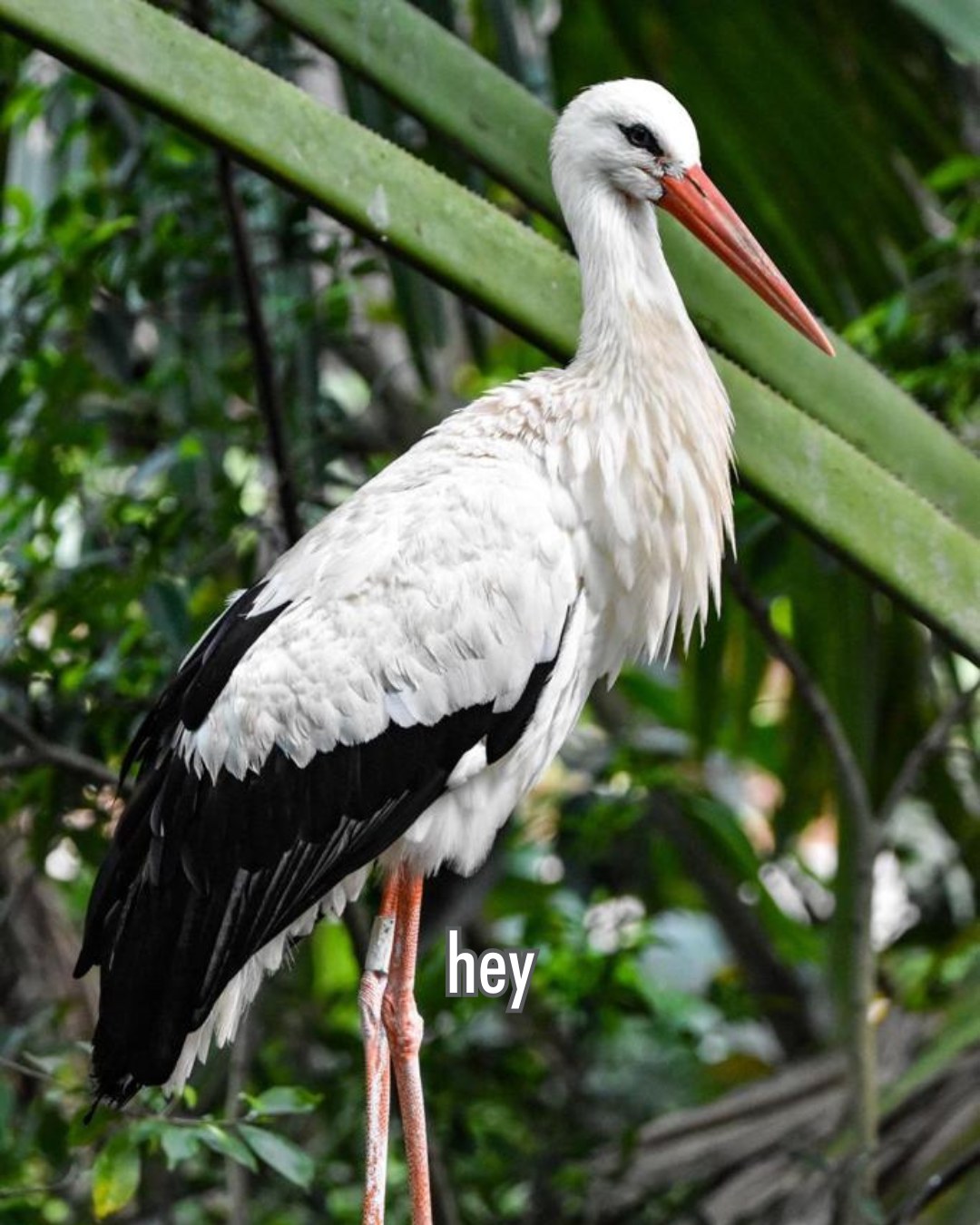
- Understanding animal behavior and its complexities.
- The role of zoo management in wildlife conservation.
- Importance of educational initiatives in zoos.
- Challenges and innovations in wildlife conservation.
- Impact of sending content like "Send this to someone who wants to see something crazy."
Animal behavior fascinates scientists and the public alike. Observing how animals interact provides insights into their survival strategies and social structures. For instance, remarkable courtship rituals in birds or intricate signaling systems in primates reveal underlying cognitive processes. Behavioral studies contribute to our understanding of species adaptation and evolution. By decoding these behaviors, we can devise strategies for better conservation. This knowledge also aids in creating enrichment activities within zoos to improve animal welfare.
Zoo management plays a critical role in conservation. Effective management ensures genetic diversity through breeding programs and maintains the health of captive populations. Modern zoos engage in habitat design, mimicking natural ecosystems as closely as possible to foster natural behavior. Zoos participate in global conservation strategies by collaborating on breeding programs, research, and reintroduction efforts. Moreover, ethical considerations in zoo management focus on the balance between visitor engagement and animal welfare, striving to foster respect for wildlife.
Education is integral to the function of zoos. By creating engaging exhibits, zoos educate visitors about biodiversity and conservation needs. This educational mandate extends to school programs and workshops, aiming to inspire future generations of conservationists. Connecting people to wildlife fosters empathy and understanding, creating a public invested in protecting natural habitats. Zoos endeavor to demystify animal behavior, making science accessible and engaging to diverse audiences.
Wildlife conservation faces numerous challenges, from habitat destruction to climate change. Often, efforts involve navigating complex socio-political landscapes to advocate for policy changes and resource allocation. Yet innovation is at the forefront, with technology playing a critical role. Conservationists employ drones for monitoring, GPS tracking for migration studies, and artificial intelligence for population analysis. Collaborative international efforts focus on preserving ecosystems and reintroducing species to their native habitats.
The popularity of viral content like "Send this to someone who wants to see something crazy" reflects societal fascination and engagement with wildlife. While entertaining, such content can trivialize complex behaviors or obscure the challenges faced by species in the wild. Responsible media coverage can drive awareness and support for conservation initiatives. However, it is vital to balance entertainment with education, ensuring that messaging supports conservation goals and fosters a responsible understanding of wildlife.
By understanding animal behavior, zoo management, and conservation challenges, we are better equipped to support the natural world. Education, innovative conservation strategies, and responsible media can inspire collective efforts towards protecting biodiversity. Engaging content should elevate public awareness and contribute to meaningful conservation outcomes, captivating an audience enthusiastic about zoology and environmental care.
*****
Source Description
Send this to someone who wants to see something crazy. 🤪🪿
