
- Introduction to the Nyala: An Overview of the Species
- Habitat and Behavior: Understanding the Nyala’s Environment and Social Structure
- Conservation Efforts: Strategies for Protecting Nyala Populations
- The Role of Zoos in Nyala Conservation: Breeding Programs and Education Initiatives
- Observing Nyala in Captivity: Benefits for Research and Public Awareness
The Nyala (Tragelaphus angasii) is a graceful antelope native to southern Africa. Known for its striking appearance, the Nyala is integral to the biodiversity of the regions it inhabits. The species thrives in dense woodlands and thickets near permanent water sources in South Africa, Zimbabwe, Mozambique, and Malawi. The Nyala’s reliance on specific habitats underscores the importance of understanding its ecological needs and behavior.
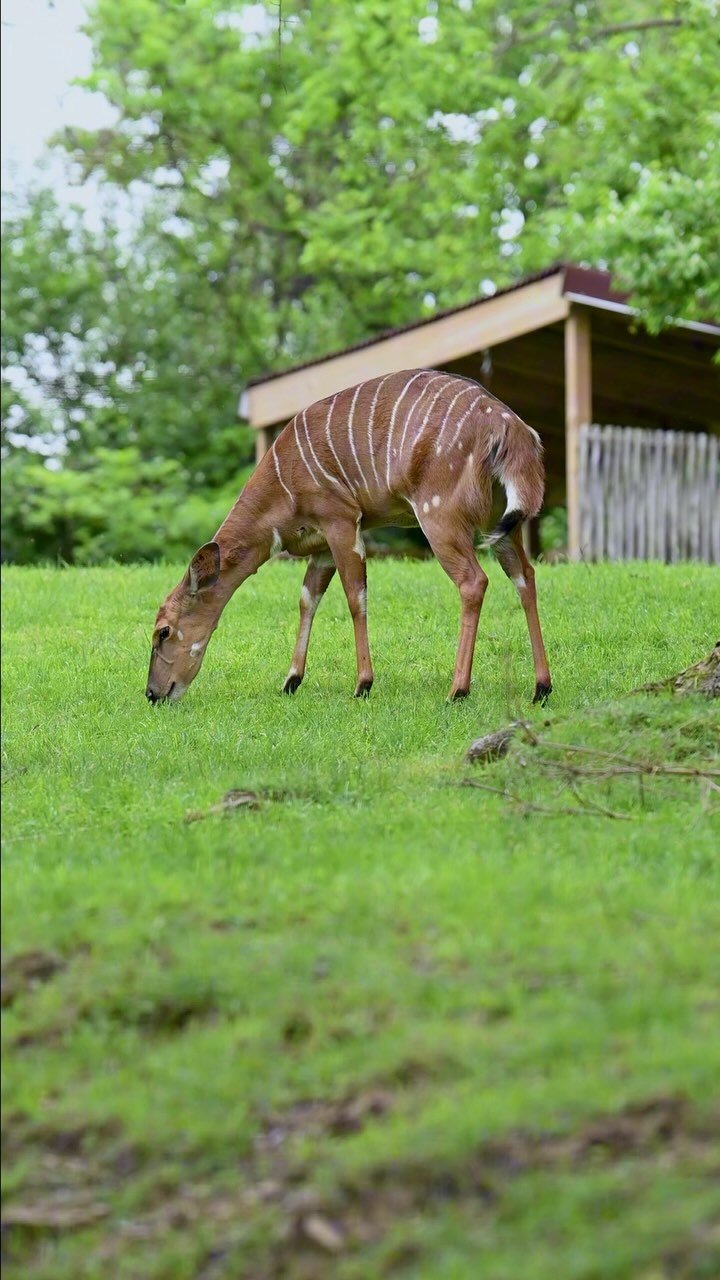
Sexual dimorphism is prominent in Nyalas. Males possess a striking dark brown or slate-gray coat with vertical white stripes, while females and young exhibit a rufous brown hue. The spiraled horns of the males, which can grow up to 33 inches, serve as both a weapon in territorial disputes and a tool for navigation through dense bush.
Social structures in Nyala populations are intriguing. Females and juveniles typically form small groups, whereas males are more solitary or form loose bachelor groups. This social arrangement impacts their reproductive strategies and territorial behaviors. Displaying ritualized posturing and mock fights, males vie for dominance without lethal conflict, which reflects broader patterns of ungulate social behavior.
Preserving Nyala populations is critical, as their habitats are increasingly threatened by human activity. Deforestation, agriculture, and infrastructure development reduce their living space and fragment populations. Poaching, despite legal protections, continues to pose a significant threat.
Conservation strategies for Nyalas include habitat restoration, protection against illegal hunting, and implementing wildlife corridors to connect fragmented habitats. Efforts by local governments and international organizations aim to balance human needs with environmental preservation.
Zoos play a pivotal role in Nyala conservation. They engage in breeding programs aimed at increasing genetic diversity and ensuring the survival of the species. These efforts contribute valuable data for studying Nyala genetics and behavior, which can inform conservation strategies in the wild. Educational programs further the public’s understanding of these animals and their ecosystems, fostering a greater conservation ethic.
Observing Nyalas in captivity offers unique insights into their daily habits, such as feeding, grooming, and social interactions. This not only aids researchers but also enriches the public’s experience, promoting awareness of the delicate balance within ecosystems.
In conclusion, the Nyala’s survival depends on a multifaceted approach that combines habitat protection, legal enforcement, and public education. By understanding the nuances of their behavior and environment, we can better craft strategies that safeguard these remarkable creatures for future generations.
*****
Source Description
Take a moment and relax with our Nyala
