
- The role of zoos in wildlife rescue and rehabilitation.
- The significance of sugar gliders and their unique care needs.
- How educational programs at the zoo contribute to wildlife conservation.
- The impact of events like Beastly Bash on public awareness and support.
- The collaboration between zoos and sponsorships in promoting animal welfare.
Zoos play a vital role in wildlife rescue and rehabilitation, providing a sanctuary for animals that have suffered from human intervention, habitat destruction, and illegal trade. For many species, like sugar gliders, zoos serve as safe havens where they can recover and thrive. The importance of wildlife rescue cannot be overstated, as these establishments actively work to rehabilitate animals, educate the public, and support conservation efforts globally.
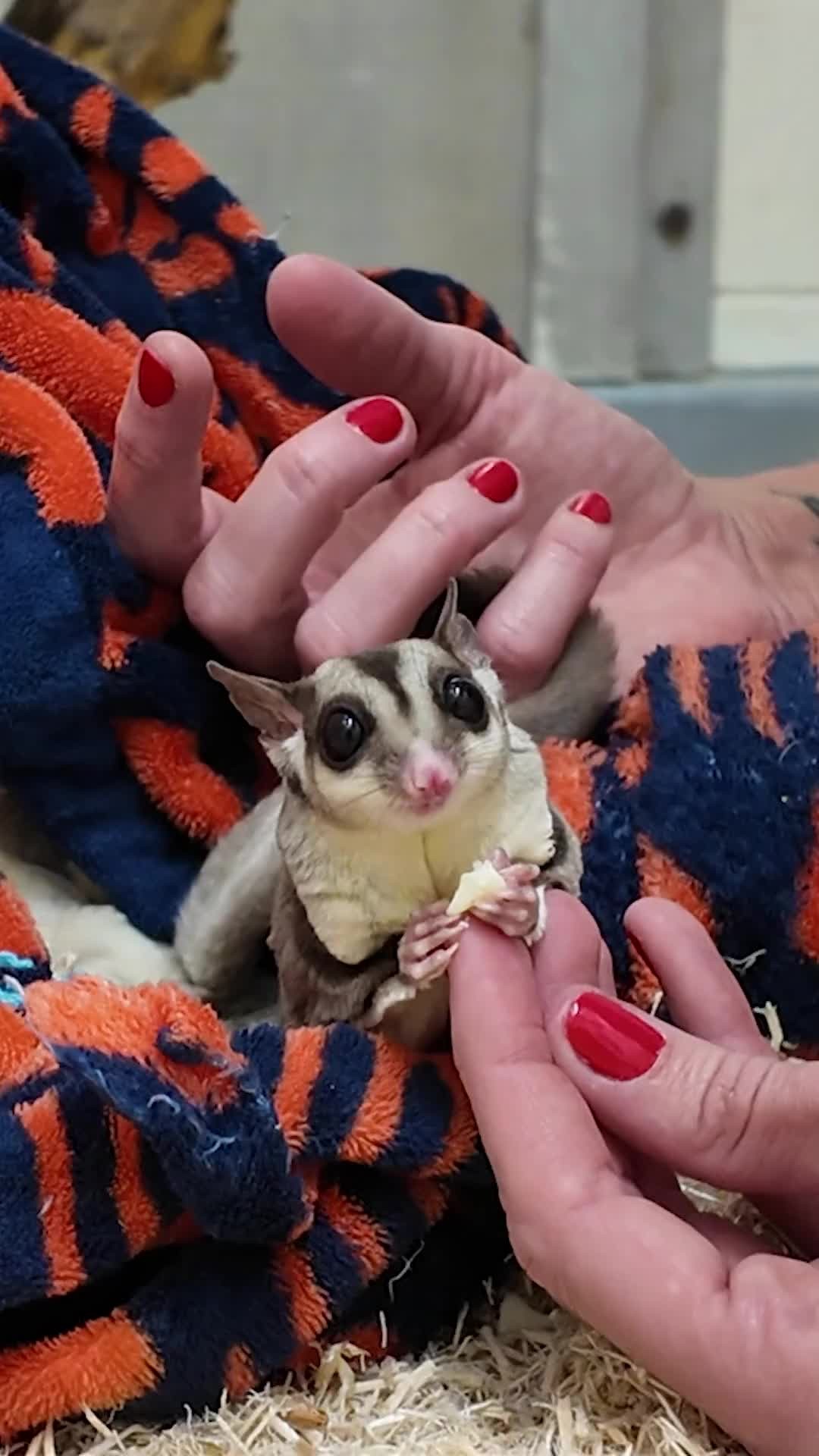
Sugar gliders, small marsupials native to Australia and New Guinea, are a prime example of a species that often requires rescue. They face numerous threats in their natural habitats due to habitat loss and illegal pet trade. When a group of sugar gliders is rescued, as was the case earlier this year from SeaQuest, they require specialized care and attention. At the zoo, these animals may not seek the spotlight, but they contribute significantly to the educational aspects of animal care. Their role as teaching aids helps new staff members learn proper handling techniques, ensuring that they receive the best care possible while also preparing caregivers for future challenges.
The sugar gliders’ care involves a precise diet and a well-designed habitat. These nocturnal animals thrive in environments that replicate their natural surroundings. Their diet primarily consists of fruits, nectar, and insects, necessitating that zookeepers focus on balanced nutrition. Care for sugar gliders also emphasizes socialization; these animals are known for their bonding behavior, so the presence of staff is crucial. Zookeepers must be attentive to their emotional needs as well, providing enrichment activities to stimulate their cognitive skills.
Educational programs at the zoo play a significant role in informing the public about wildlife conservation. These programs promote an understanding of the challenges faced by many species, including sugar gliders. By providing interactive learning experiences, zoos empower visitors to appreciate the importance of wildlife and the ecosystem’s health. The collaboration between zoo staff and educators helps break down complex conservation topics into digestible content that visitors can engage with.
Events like the Beastly Bash offer an excellent platform to raise awareness about wildlife conservation and the ongoing rescue efforts. The public gathering not only brings awareness but also encourages funding and community involvement. Sponsors, such as Best Buy, further amplify these efforts by enabling zoos to provide resources for animal care and education. When people purchase tickets for events like the Beastly Bash, they are directly supporting wildlife rescue missions and educational initiatives.
Public events also highlight various species that often go underappreciated. The sugar gliders, for example, although small and somewhat overlooked, can serve as ambassadors for their species during such events. Their story resonates with those attending, showcasing the need for wildlife rescue and conservation.
Understanding the broader implications of such programs is crucial. Many zoos not only provide immediate care for rescued animals but also contribute to long-term conservation strategies. This includes breeding programs for endangered species, habitat restoration initiatives, and community outreach. These comprehensive approaches are essential for tackling the root problems of wildlife decline.
Involvement in community outreach allows zoos to educate the public not just about specific animal care practices but also about the interconnected nature of ecosystems and human actions. Schools often collaborate with zoos to bring students into these experiences, further emphasizing the importance of wildlife conservation and care. This collective educational effort fosters a culture of responsibility towards the environment, encouraging younger generations to engage with conservation issues.
Efforts at the zoo extend beyond education; they involve active research and partnerships that amplify conservation impact. Zoos often collaborate with other wildlife organizations, facilitating the sharing of knowledge and resources. This partnership model enriches the understanding of animal behavior and welfare, further bolstering rescuing and rehabilitating efforts.
Advocacy also plays a crucial role in wildlife rescue efforts. Zoos often engage in promoting legislation aimed at protecting habitats and endangered species. By leveraging their platforms, they raise public awareness and advocate for real change that can make a difference in wildlife conservation. This two-way relationship between zoos and the public fosters a shared commitment to protecting the natural world.
The sponsorships that support events like the Beastly Bash are critical for financial resources. They allow zoos to maintain high standards of animal care while reducing operational costs. Businesses that support wildlife conservation initiatives not only gain visibility and community goodwill but also contribute to a greater cause. This type of collaboration serves to highlight the symbiotic relationship between corporate responsibility and environmental stewardship.
Sponsorships provide essential funding that can be used for improved animal habitats, educational materials, and community outreach programs. They are an essential part of the financial ecosystem that supports everyday operations at the zoo. Without this support, many vital programs may struggle to survive, making community involvement all the more important.
During events like the Beastly Bash, attendees often have the chance to speak directly with zookeepers and conservationists. This interaction allows for a deeper understanding of the challenges faced by various species and showcases the behind-the-scenes efforts that go into animal care. It is a unique opportunity for visitors to connect with wildlife in a meaningful way, igniting a passion for conservation efforts and responsible stewardship.
Wildlife rescue and conservation work extends beyond the walls of the zoo. Initiatives often involve collaborations with local, national, and international organizations dedicated to preserving the natural world. Such partnerships facilitate knowledge exchange and resource sharing that can lead to more effective conservation strategies. This network allows zoos to stay informed about the latest research and techniques, enhancing their ability to care for rescued wildlife.
As public awareness grows through education and events, the demand for ethical wildlife care and conservation strengthens. People become champions for animal welfare, often advocating for laws that further protect endangered species. This advocacy can lead to tangible changes, such as increased funding for wildlife reserves or bans on practices that threaten animal populations.
Zoos serve as vital research facilities that contribute to our understanding of species behavior and physiology. Research conducted in accredited zoos aims to improve animal care and management practices, ensuring that rescued wildlife receives the best support possible. These research initiatives also help inform conservation strategies for species in the wild, leading to more effective interventions.
In summary, the work carried out by zoos in wildlife rescue and rehabilitation represents a multifaceted approach to conservation. This includes not just care for individual animals, but broader educational initiatives and community involvement that raise awareness about the importance of protecting our natural world. Whether it’s sugar gliders being rehabilitated for release or educating the public through events like the Beastly Bash, every effort contributes to the overarching goal of wildlife conservation. The collaborative nature of these initiatives, supported by sponsors and community involvement, creates a sustainable framework for future conservation endeavors.
*****
Source Description
At this year’s Beastly Bash, learn about how the Zoo rescues wildlife — like these sugar gliders! This group of sugar gliders was rescued from SeaQuest earlier this year. Not ones for the spotlight, they are enjoying life behind-the-scenes, snacking and serving an important role as teaching aids, helping to train new animal care and health staff to safely handle and care for animals at the Zoo. Learn more about this group of sugar gliders and other rescued wildlife at the Beastly Bash on September 19. Buy your tickets at the link in our bio.
Thank you to @BestBuy for sponsoring the Beastly Bash.
