
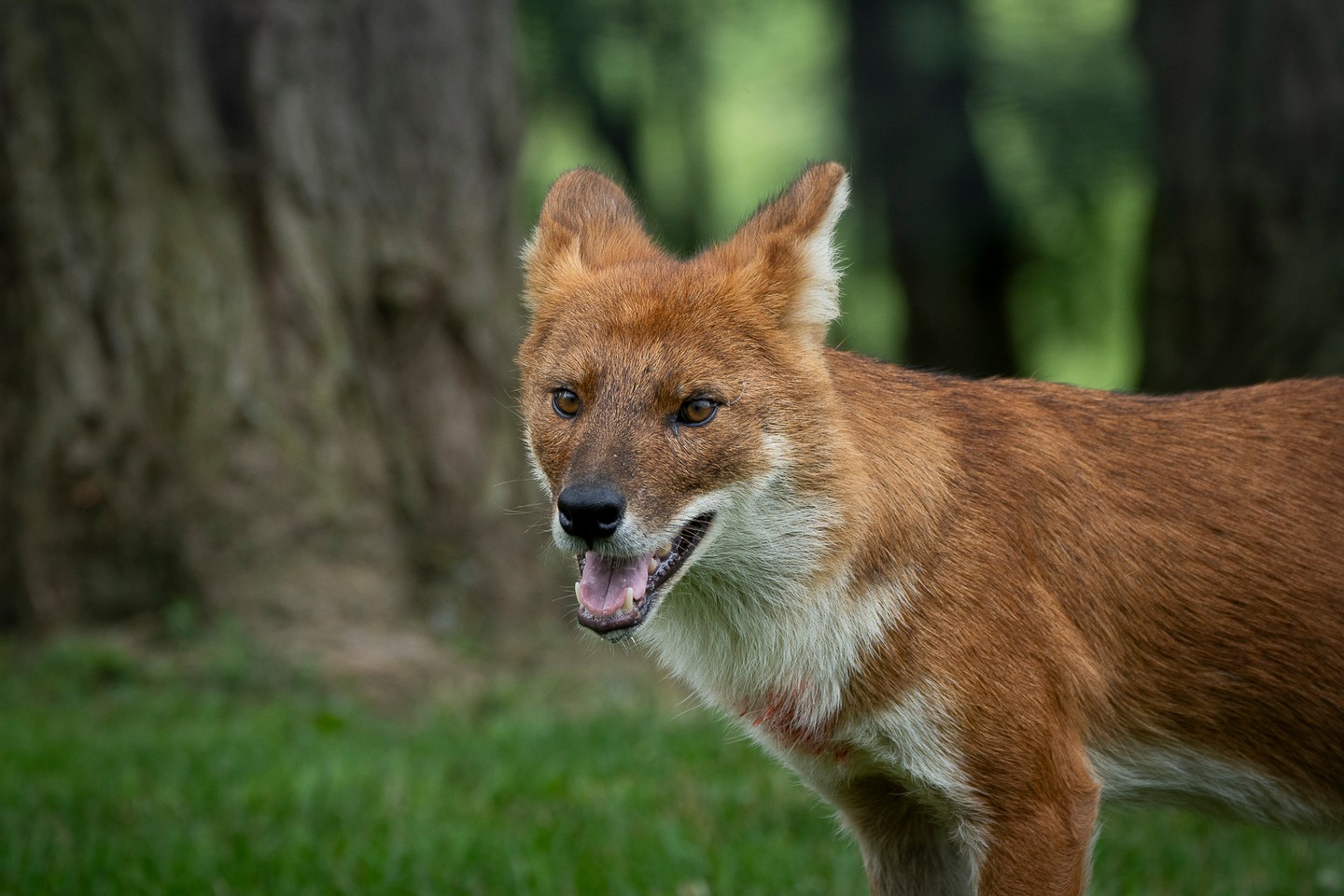
- Introduction to World Dhole Day and the significance of dholes as apex predators.
- The physical characteristics and behavior of dholes, including their unique vocalizations.
- The challenges dholes face, such as habitat loss and human conflict.
- Conservation efforts and practical ways to contribute to dhole survival.
- The importance of public awareness and education in dhole conservation efforts.
World Dhole Day offers an opportunity to spotlight one of Asia’s most fascinating yet lesser-known apex predators: the dhole. Often mistaken for giant foxes due to their appearance, dholes are in fact true wild dogs, scientifically known as Cuon alpinus. Their high-pitched calls have earned them the nickname “whistling dogs.” These elusive creatures once had a vast range across Asia, but now their populations are dwindling alarmingly. Conservationists highlight that there are more tigers than dholes left in the wild, underscoring their perilous status.
Dholes are medium-sized canids distinguished by their rusty-red fur, bushy tails, and rounded ears. Unlike other wild dogs, dholes possess a unique set of vocalizations, including whistles, clucks, and nearly bird-like sounds, which they use for communication within their packs. These sounds play a crucial role in maintaining pack cohesion during hunts in their dense forest habitats.
Their social structure further distinguishes them from other canids. Dholes live in packs averaging around ten individuals, though they can occasionally form larger groups. This pack behavior is essential for hunting, as they often take down prey much larger than themselves, such as deer and wild boar.
However, dholes face significant threats that jeopardize their survival. Habitat destruction is one of the primary challenges; agricultural expansion and urban development continue to encroach upon their forest homes. Human-wildlife conflict, often stemming from livestock predation, has led to persecution and illegal poisoning of dholes. Additionally, reduced prey availability and competition with larger predators like tigers exacerbate their vulnerability.
To combat these challenges, various conservation strategies are being implemented. One critical step is promoting the use of RSPO-certified palm oil products. The Roundtable on Sustainable Palm Oil (RSPO) certification ensures that palm oil production does not lead to further habitat destruction. Supporting sustainable practices helps preserve the forests dholes inhabit.
Donating to conservation organizations such as The Wilds contributes directly to research and breeding programs aimed at bolstering dhole numbers. These initiatives focus on habitat restoration, anti-poaching efforts, and community engagement projects that help mitigate human-dhole conflicts.
Public education and awareness are pivotal in fostering a sense of responsibility towards dhole conservation. Initiatives that educate local communities about the ecological importance of dholes can alter perceptions and reduce fear-driven actions against them. Understanding that dholes play a vital role in their ecosystems as apex predators encourages coexistence and supports biodiversity.
By spreading knowledge about these captivating creatures and how to aid in their conservation, World Dhole Day seeks to galvanize global action. Whether through responsible consumer choices or supporting conservation programs, everyone can contribute to safeguarding the future of Asia’s whistling dogs. Recognizing the critical need for conservation and making informed decisions can help ensure that dholes remain a part of our natural world for generations to come.
*****
Source Description
Today is World Dhole Day, a day to learn about one of Asia’s lesser-known apex predators!
Dholes may look like giant foxes but they are true wild dogs and have even been called whistling dogs because of their high-pitched calls. Dholes once ranged throughout Asia but due to habitat loss, persecution from people, and illegal poisoning, dhole populations have plummeted across their range. There are believed to be even more tigers than there are dholes in the wild!
You can help dholes by:
▪️ Purchasing products with RSPO-certified palm oil
▪️ Donating to The Wilds to support our pack
