
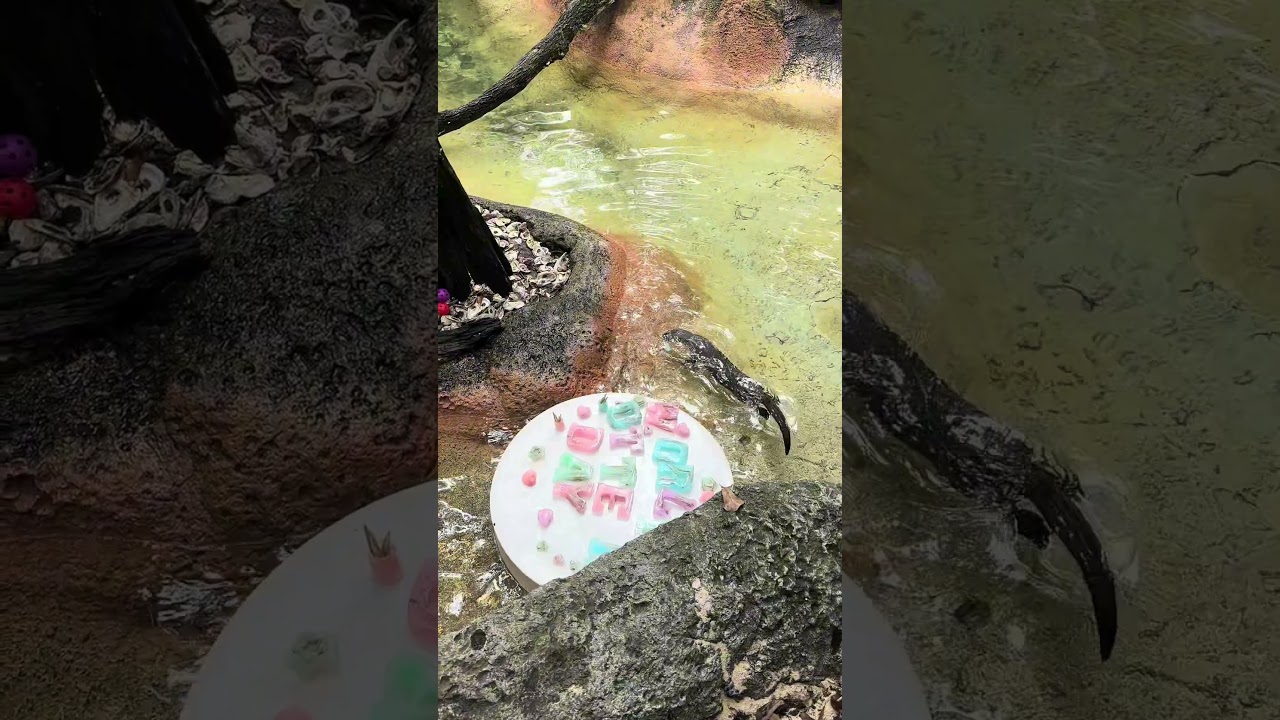
- Importance of Happy World Otter Day in Wildlife Conservation and Awareness
- Understanding Otters: Species, Habitats, and Behavior
- The Role of Zoos and Aquariums in Otter Conservation
- Community Engagement and Education Through Otter Tours
- Global Otter Conservation Efforts and Challenges
Happy World Otter Day unfolds each year with a celebration dedicated not just to the sheer charm of these aquatic mammals, but also to the purpose of conservation and education. Marking a significant event in wildlife conservation calendars, Happy World Otter Day focuses attention on otter species globally, highlighting the importance of safeguarding their future. This occasion shines a spotlight on otters, helping people understand their role within ecosystems and what actions are needed to aid in their preservation.
Otters are found across water bodies worldwide, from the sea otters padding the icy waters off California’s coast to the small-clawed otters navigating Asian rivers. Understanding these species is essential for their protection. Otters typically dwell in habitats that include lakes, rivers, and coastal shores, where they play pivotal roles in maintaining healthy ecosystems. Known for their playful behavior, otters are also vital predators that help regulate prey populations, contributing to the ecological balance.
Among the thirteen otter species, each has adapted uniquely to its environment. For instance, the giant otter of South America’s Amazon requires vast expanses of clean water and abundant fish populations for survival. Learning about species like the Eurasian otter, which inhabits diverse regions across Europe and Asia, provides crucial insights into habitat requirements and threats. Major challenges include habitat destruction, pollution, and overfishing, which impact food sources and water quality.
Zoos and aquariums around the globe play a fundamental role in otter conservation. By participating in breeding programs, they help to preserve genetic diversity. These institutions also serve as platforms for research, monitoring health issues, studying behavior, and understanding reproductive habits. The World Association of Zoos and Aquariums (WAZA) works on collaborative projects that address the conservation needs of otter populations. Zoos engage in exchange programs where knowledge and resources are shared, benefiting conservation efforts worldwide.
Community engagement through initiatives like the "Are you ready for the Otters Tour?" enhances public understanding and interest. Educational programs feature interactive experiences, showcasing otter habitats, diet, and social structures. Visitors learn about the pressures otters face, while also acquiring a firsthand appreciation of their agility and intelligence. These experiences foster a connection between the public and wildlife, encouraging conservation-minded behaviors.
The importance of raising awareness about illegal wildlife trade and pollution is emphasized during these tours. Educational efforts extend beyond simple engagement, aiming to create advocates for sustainable practices that directly benefit otter habitats. Conservationists harness the power of storytelling to communicate the significance and necessity of maintaining ecological balance, motivating the audience to act.
Internationally, numerous organizations are dedicated to otter conservation. The International Otter Survival Fund (IOSF) and the Otter Specialist Group of the International Union for Conservation of Nature (IUCN) focus on researching and mitigating threats to otter populations. These organizations provide vital data, assist in law enforcement against illegal poaching, and collaborate on international conservation strategies.
Challenges in otter conservation include securing funding, overcoming habitat encroachment, and managing human-otter conflict. As human populations grow, the demand for development threatens natural otter habitats. Efforts are being made to balance human needs with wildlife conservation through sustainable development projects and community-led initiatives.
To advance otter conservation, action plans often involve local communities who coexist with these animals. Strategies include habitat restoration and pollution control measures. By emphasizing sustainable fishing methods and reducing the use of harmful chemicals, habitats are preserved for future generations. Teachable moments during community interaction have long-lasting effects, promoting changes that support biodiversity and ecosystem integrity.
Happy World Otter Day serves as a call to action, reminding us of the interconnectedness of human and wildlife futures. Every individual contributes to conservation efforts, whether through spreading awareness, supporting sustainable practices, or partaking in educational tours. As we continue the journey, safeguarding otters ensures that these fascinating creatures remain a vibrant part of our global biodiversity tapestry. By embracing our role as stewards of the environment, we can forge a brighter path for otters and the ecosystems they inhabit.
*****
Source Description
We’re celebrating with our North American river otters, Sammy and Ryobi, and our Asian small-clawed otters, Theodore and Chisana, with Eras Tour-inspired enrichment! 🎤 🦦 🎉 #WOD2025 #otter #taylorswift #erastour #otterday #riverotter
